Der Leitfaden Ihres Körpers zur Kompression: So erkennen Sie, ob sie zu eng, zu locker oder genau richtig ist

Haben Sie am Ende des Tages jemals ein Paar Socken ausgezogen und festgestellt, dass sich tiefe, rote Furchen in Ihre Haut gegraben haben? Es ist ein vertrautes Gefühl – dieser Seufzer der Erleichterung, wenn der Druck weg ist. Es ist auch ein perfektes, alltägliches Beispiel dafür, wie unser Körper uns ständig Feedback über Druck und Passform sendet.
Wenn es um unterstützende Ausrüstung wie Kompressionsärmel, Hosenträger oder Socken geht, ist das Verständnis dieses Feedbacks von entscheidender Bedeutung. Obwohl Diagramme und Messungen einen Ausgangspunkt bieten, können sie Ihnen nicht die ganze Geschichte erzählen. Ihr Körper ist die ultimative Autorität in Sachen Passform, und das Erlernen seiner Sprache ist der Schlüssel, um die wahren Vorteile der Kompression zu nutzen.
Dieser Leitfaden zeigt Ihnen, wie Sie sich auf die Sinnessignale Ihres Körpers einstellen. Wir gehen über die Zahlen hinaus und untersuchen, wie sich Unter-, Ideal- und Überkomprimierung tatsächlich anfühlt, damit Sie sicher Ihre „genau richtige“ Passform finden können.
Jenseits der Zahlen: Die Wissenschaft vom „Fühlen“ der Kompression
Wenn Sie ein Kompressionskleidungsstück tragen, verarbeitet Ihr Nervensystem eine Flut von Informationen. Es ist nicht nur ein einfaches Gefühl der „Enge“. Es ist ein komplexer Dialog, der zwischen Ihrer Haut, Ihren Muskeln und Ihrem Gehirn stattfindet. Das Verständnis der Grundlagen kann Ihnen bei der Interpretation der Signale helfen.
Stellen Sie sich drei interne Systeme vor, die zusammenarbeiten:
- Propriozeption (Ihre Körperkarte): Dies ist Ihr Gefühl dafür, wo sich Ihre Körperteile befinden, ohne sie anzusehen. Durch die ideale Kompression wird die Propriozeption verbessert, wodurch ein Gefühl von „Zusammenhalt“ und Stabilität entsteht. Dadurch können Sie sich koordinierter fühlen und Ihre Bewegungen besser wahrnehmen.
- Tastsinn (Bericht Ihrer Haut): Dies ist das offensichtlichste Feedbacksystem. Es informiert Sie über Druck, Dehnung, Juckreiz und Temperatur. Ihre Haut wird Ihnen als Erstes mitteilen, ob ein Kleidungsstück einschneidet, drückt oder Reizungen verursacht.
- Abfangen (Ihr internes Dashboard): Dies ist Ihr Bewusstsein für interne Körpersignale – Ihren Herzschlag, Ihre Atmung und das subtile Pochen des Blutflusses. Eine Überkompression kann hier Alarmglocken auslösen, etwa ein Gefühl eingeschränkter Atmung oder ein pulsierendes Gefühl, das auf eine schlechte Durchblutung hinweist.
Wenn diese drei Systeme im Einklang sind, fühlt sich die Kompression unterstützend und belebend an. Wenn man ein Warnsignal sendet, ist es Zeit zuzuhören.
Die Goldlöckchen-Zone finden: Wie sich jede Kompressionsstufe wirklich anfühlt
Das Ziel besteht darin, die „Goldlöckchen-Zone“ zu finden – nicht zu locker, nicht zu eng, sondern genau richtig. Hier ist eine Aufschlüsselung der sensorischen Hinweise für jedes Level.
Unterkompression (zu locker): Das Gefühl, kaum da zu sein
Dies ist am einfachsten zu erkennen, da die Hauptempfindung … nichts ist. Statt Unterstützung bekommt man Ärger.
Ihr Körper sagt Ihnen, dass er zu locker ist, wenn:
- Es rutscht nach unten oder wölbt sich. Sie stellen fest, dass Sie es ständig wieder an seinen Platz zurückziehen.
- Sie spüren keinen spürbaren Druck. Es fühlt sich eher wie eine lockere Kleidungsschicht an als wie ein unterstützendes Werkzeug.
- Es gibt keine Veränderung in Ihrem Körperbewusstsein. Sie spüren nicht dieses „gehaltene“ oder stabile Gefühl.
- Der Stoff hat Lücken oder Wellen. Eine richtige Passform sollte glatt auf Ihrer Haut sein.
Ideale Kompression (genau richtig): Die „bequeme Umarmung“
Das ist der Sweet Spot. Die ideale Kompression ist effektiv, ohne abzulenken. Es sollte sich wie eine feste, beruhigende Umarmung für Ihre Muskeln und Gelenke anfühlen.
Ihr Körper sagt Ihnen, dass es genau richtig ist, wenn:
- Sie spüren einen konstanten, sanften Druck. Es ist spürbar, aber nicht unangenehm. Viele Menschen beschreiben es als beruhigend oder erdend.
- Es fühlt sich unterstützend und nicht einschränkend an. Sie haben volle Bewegungsfreiheit, ohne zu zwicken oder einzuschränken.
- Sie können fast vergessen, dass Sie es tragen. Nach einer anfänglichen Eingewöhnungsphase sollte das Gefühl in den Hintergrund treten.
- Sie spüren ein gesteigertes Stabilitätsgefühl. Dies ist Ihre Propriozeption, die Ihnen hilft, sich in Ihren Bewegungen sicherer zu fühlen. Viele Menschen fragen sich: Funktionieren Schulterkompressionsmanschetten? Wenn die Passform ideal ist, ist die Antwort ein klares Ja, da sie die Unterstützung und das gesteigerte Bewusstsein bieten, die für Aktivitäten erforderlich sind.
Überkomprimierung (zu eng): Vom Ärger zum Alarm
Dies ist die kritischste Ebene, die es zu erkennen gilt, da sie von einfachen Beschwerden bis hin zu ernsthaften Problemen reichen kann. Der Schlüssel liegt darin, die Frühwarnzeichen zu erkennen, bevor sie eskalieren.
Frühwarnungen (Anzeichen zur Anpassung oder Neubewertung):
- Ein anhaltender, dumpfer Schmerz im Muskel unter dem Kleidungsstück.
- Kanten, die sich eingraben und tiefe, schmerzhafte Vertiefungen erzeugen.
- Juckreiz, Brennen oder Hautreizungen, die nicht verschwinden.
- Flecken auf Ihrer Haut, die noch lange nach dem Ausziehen des Kleidungsstücks bestehen bleiben.

Mittelschwere Alarme (Anzeichen, das Kleidungsstück bald auszuziehen):
- Ein „pochendes“ oder pulsierendes Gefühl. Das ist Ihr interozeptives System, das schreit, dass der Blutfluss Probleme hat.
- „Ameisenlaufen“, Kribbeln oder das Gefühl, dass ein Glied „einschläft“. Dies deutet auf einen Druck auf einen Nerv hin.
- Auffällige Hautverfärbung. Der Bereich kann ungewöhnlich blass, rot oder fleckig aussehen.
Rote Flaggen (sofort entfernen):
- Stechender, stechender oder brennender Schmerz.
- Völliges Taubheitsgefühl im Bereich oder an den Extremitäten (e.g., Ihren Fingern oder Zehen).
- Haut fühlt sich kalt an oder wird violett oder blau.
- Schwellung, die unter der Kompressionskleidung auftritt.
Ihr persönlicher Kompressions-Check: Ein 3-stufiger sensorischer Scan
Sind Sie bereit, die Sprache Ihres Körpers fließend zu beherrschen? Verwenden Sie diesen einfachen Scan immer dann, wenn Sie ein Kompressionskleidungsstück tragen.
Schritt 1: Die visuelle Prüfung
Sehen Sie sich die Gegend an. Bilden die Kanten tiefe, scharfe Rillen? Gibt es Schwellungen oder Schwellungen unter dem Kleidungsstück? Ist Ihre Hautfarbe gleichmäßig und sieht gesund aus?
Schritt 2: Der Bewegungscheck
Bewegen Sie das Gelenk oder Glied über seinen gesamten Bewegungsbereich. Bewegt sich das Kleidungsstück mit Ihnen, oder drückt es, drückt es oder schränkt es Ihre Bewegung ein? Sie sollten sich unterstützt und nicht eingeschränkt fühlen.
Schritt 3: Der Sensation Check
Halten Sie einen Moment inne und schalten Sie ein. Wackeln Sie mit den Fingern oder Zehen. Spüren Sie sie normal? Atmen Sie tief ein. Fühlt sich irgendetwas ungewöhnlich eingeengt an? Konzentrieren Sie sich auf den Druck selbst – ist es eine beständige, angenehme Umarmung oder ein scharfer, lokaler Druck?
Häufig gestellte Fragen zur Kompressionspassform
Sollte sich die Kompression zunächst unangenehm anfühlen?
Es sollte sich angenehm und sicher anfühlen, aber niemals schmerzhaft sein. Es kann eine kurze Anpassungsphase geben, während sich Ihr Körper an das neue Gefühl gewöhnt. Wenn Sie jedoch eines der „Frühwarnzeichen“ einer Überkompression verspüren, ist die Passform wahrscheinlich zu eng.
Wie eng sollte ein Kompressionskleidungsstück für einen bestimmten Körperteil sein?
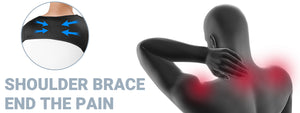
Die Grundprinzipien des sensorischen Scans gelten überall, aber in verschiedenen Bereichen gibt es einzigartige Überlegungen. Wenn Sie beispielsweise festlegen, wie eng eine Schulterstütze sein sollte, müssen Sie sicherstellen, dass sie das Gelenk stützt, ohne Ihre Atmung oder die Durchblutung Ihres Arms zu behindern.
Was passiert, wenn ich Unterstützung für ein bestimmtes Problem benötige?
Während sich dieser Leitfaden auf das universelle Gefühl der Passform konzentriert, profitieren bestimmte Erkrankungen von einer gezielten Unterstützung. Die A Schleimbeutelentzündungs-Kompressionsmanschette ist beispielsweise so konzipiert, dass sie einen angenehmen Druck auf einen empfindlichen Bereich ausübt, ohne die Entzündung zu verschlimmern. Hören Sie immer auf das spezifische Feedback Ihres Körpers.
Ist enger immer besser für die sportliche Leistung?
Absolut nicht. Dies ist ein weit verbreiteter Mythos. Übermäßige Kompression kann die Durchblutung und Muskelfunktion einschränken, was sich aktiv negativ auf die Leistung auswirkt. Die richtige Schulterstütze zum Heben von Gewichten verbessert Ihre Stabilität und Ihr Körperbewusstsein und ermöglicht sicherere und effektivere Bewegungen – sie funktioniert nicht, indem sie den Muskel in die Unterwerfung drückt.
Sind alle Arten von unterstützender Ausrüstung gleich?
Überhaupt nicht. Sie sind für unterschiedliche Aufgaben konzipiert. Kompressionsausrüstung bietet dynamische, flexible Unterstützung mit sanftem Druck. Im Gegensatz dazu dienen starre Hilfsmittel wie ein Gehschuh der Immobilisierung. Den Zweck Ihrer Ausrüstung zu kennen ist genauso wichtig wie die richtige Passform.
Vertrauen Sie Ihren Sinnen, unterstützen Sie Ihre Bewegung
Messungen und Richtlinien sind nützliche Hilfsmittel, aber sie ersetzen nicht die eigene Sinnesintelligenz. Indem Sie lernen, den Unterschied zwischen einer unterstützenden Umarmung und einem restriktiven Druck zu erkennen, können Sie jedes Mal die perfekte Passform finden.
Wenn Sie das nächste Mal eine Kompressionsmanschette oder eine Stütze anlegen, nehmen Sie sich einen Moment Zeit, um einen sensorischen Scan durchzuführen. Hören Sie, was Ihr Körper Ihnen sagt. Die Anerkennung seines Feedbacks ist der erste Schritt zu mehr Selbstvertrauen, Komfort und Unterstützung auf Ihrer Fitnessreise.