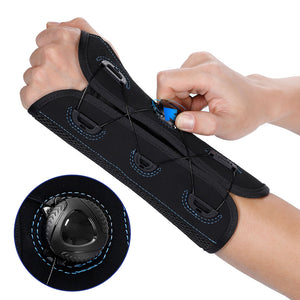
Back Brace Support
- Black
- Black
- Dusty Blue
- Grey
- Blue
- Grey
- Blue
- Black
When Should You Start Using a Back Brace?
The main function of a back support brace is to provide stability and support for the back, reduce pressure on the back muscles and spine, and help treat back problems. In general, if you have the following symptoms, you may need a back brace.
- Acute or chronic lower back pain. During back pain, a back support brace can help alleviate discomfort.
- Individuals with various lumbar spine conditions, such as herniated discs, spinal stenosis, and displacement, and those undergoing post-surgical rehabilitation.
- People who do prolonged physical labor or high-intensity training need preventive protection.
- Individuals with lumbar deformities or kyphosis often require posture correction.
Don't use a back brace without proper guidance. Choose the most suitable protective gear based on a professional evaluation of your back problems to avoid aggravating them with an inappropriate back brace.
How to Wear a Back Support Brace?
The key to wearing a back brace correctly is choosing the right back support brace and following the correct wearing guide.
Select the appropriate back brace: back braces are typically classified as heating, medical, or sports braces. Choose the type of back brace with professional guidance, then select the size that suits you based on your waist circumference and other relevant measurements to ensure the brace is comfortable and fits your body correctly.
Correct Wearing: When wearing a back brace, follow the wearing guide strictly. Wear it in the correct position, and adjust it to a comfortable tightness. Don't fasten it too tightly, as this can affect blood circulation. After wearing it, you can perform simple movements, such as bending over and twisting, to check whether the support slips or causes discomfort.
Please do not wear the back brace for extended periods. Excessive use can cause symptoms such as back muscle atrophy and stiffness. Therefore, you must wear the back brace correctly, as advised by professionals, including the recommended wearing time and frequency.
Is a Back Brace Good for Degenerative Disc Disease?
Degenerative disc disease, abbreviated as DDD, is a common chronic condition characterized by disc degeneration. Its symptoms may include back pain, neck pain, muscle weakness, and paresthesia, among others. For DDD patients, the best back-support brace can offer benefits.
Pain Relief: Limiting the back range of motion can reduce pressure on the intervertebral disc, thereby relieving discomfort.
Stability: The back brace provides additional support and stabilizes the spine with its built-in aluminum plate.
Posture Correction: The back posture support brace can help reduce spinal pressure by correcting incorrect posture.
Prevent Secondary Injuries: During the critical recovery stage, wearing a back brace can help prevent secondary injuries to the injured area and speed recovery.
Although the back brace is an ideal auxiliary treatment for this disease, it cannot replace other treatments. You may still need medication, surgery, and other treatments. Therefore, you must follow the treatment method customized for you by the doctor.