Wie viele Stunden am Tag sollten Sie eine Rückenbandage tragen, um die Körperhaltung zu verbessern?

Sie haben sich entschieden, eine Rückenstütze auszuprobieren. Vielleicht haben Sie im Spiegel Ihr bekanntes Zusammensacken bemerkt, oder vielleicht sind Sie die ständigen Schmerzen zwischen den Schulterblättern nach einem langen Tag am Schreibtisch leid. Sie holen die Stütze, legen sie an und fühlen sich sofort aufrechter. Die Versuchung ist groß: Warum sie nicht einfach den ganzen Tag tragen? Je mehr, desto besser, oder?
Die überraschende Erkenntnis: Wenn es um Haltungskorrektur geht, ist das Tragen einer Orthese hilfreich. weniger ist oft mehrDer häufigste Fehler ist, eine Rückenstütze als dauerhafte Lösung zu betrachten. Sehen Sie sie stattdessen als persönlichen Trainer für Ihre Haltungsmuskulatur. Sie würden sich ja auch nicht acht Stunden lang von einem Trainer in einer bestimmten Position halten lassen; Sie würden ihn für kurze, effektive Einheiten nutzen, um die richtige Haltung zu erlernen.
Die Antwort auf die Frage „Wie lange sollte ich es tragen?“ ist keine einfache Zahl – es hängt ganz von Ihrem Ziel ab.
Zunächst einmal zur Klarstellung: Nicht alle Rückenstützen sind gleich.
Bevor wir über die Tragedauer sprechen, ist es wichtig zu verstehen, welches Hilfsmittel Sie verwenden. Der Begriff „Rückenstütze“ umfasst ein breites Spektrum, von weichen, flexiblen Haltungstrainern bis hin zu starren medizinischen Orthesen. Zweck, Design und empfohlene Tragedauer unterscheiden sich grundlegend.
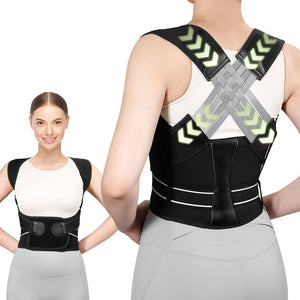
- Haltungskorrektoren (Trainingshilfen): Diese leichten, flexiblen Bandagen können über oder unter der Kleidung getragen werden. Ihre Hauptfunktion besteht darin, einen sanften, propriozeptiven Hinweis zu geben – eine subtile Erinnerung daran, die Schultern zurückzuziehen und die Rumpfmuskulatur anzuspannen. Sie sind für den kurzfristigen Gebrauch gedacht, um ein Muskelgedächtnis aufzubauen.
- Medizinische Rückenstützen (Stützvorrichtungen): Diese Orthesen sind oft starrer und werden von einem Arzt bei bestimmten Erkrankungen wie Skoliose, nach Operationen oder bei Wirbelsäulenverletzungen verschrieben. Sie bieten eine erhebliche strukturelle Unterstützung und unterliegen strengen Tragezeitvorgaben, die teilweise bis zu 23 Stunden täglich betragen und unter ärztlicher Aufsicht eingehalten werden müssen.
Dieser Ratgeber konzentriert sich auf die erste Kategorie: rezeptfreie Haltungskorrektoren zur Verbesserung der allgemeinen Körperhaltung und zur Linderung leichter Beschwerden. Wenn Ihnen ein Arzt aufgrund einer bestimmten Erkrankung eine Orthese verschrieben hat, befolgen Sie unbedingt seine Anweisungen.
Der „Warum“-Grund für die Zeitbegrenzung: Abhängigkeit verhindern
Warum sollte man einen Haltungskorrektor nicht den ganzen Tag tragen? Der Grund liegt in zwei wichtigen physiologischen Konzepten:
- Muskelatrophie: Ihre Haltungsmuskulatur – die tiefe Rumpf-, Rücken- und Schultermuskulatur – ist dafür ausgelegt, Sie aufrecht zu halten. Wenn Sie sich ständig auf eine externe Stütze verlassen, kann diese Muskulatur mit der Zeit schwächer werden und an Kraft verlieren. Das ist das Prinzip „Wer rastet, der rostet“. Ziel ist es, diese Muskeln zu stärken, nicht sie zu ersetzen.
- Propriozeption: Dies ist die körpereigene Wahrnehmung der eigenen Position im Raum. Eine Haltungskorrekturhilfe verbessert die Propriozeption. Wenn Sie anfangen, eine schlechte Haltung einzunehmen, signalisiert der sanfte Druck der Korrekturhilfe Ihrem Nervensystem: „Achtung, das ist nicht die richtige Position.“ Mit der Zeit lernt Ihr Körper, die korrekte Haltung selbstständig zu erkennen und beizubehalten. Das Tragen der Korrekturhilfe über kurze, gezielte Zeiträume trainiert diesen Sinn, während das ständige Tragen ihn abstumpfen kann.
Die Frage nach "Funktioniert ein Haltungskorrektor?"ist direkt damit verbunden, es als Schulungsinstrument und nicht als Krücke zu verwenden."
Ihr zielorientierter Tragezeit-Leitfaden
Statt nach einer einzigen magischen Zahl zu suchen, sollten Sie die Tragezeit an Ihr spezifisches Ziel anpassen.
Ziel 1: Allgemeines Haltungstraining & Muskelgedächtnis
Das ist der häufigste Grund für die Verwendung eines Haltungskorrektors. Man möchte sich eine schlechte Haltung abgewöhnen und die Gewohnheit entwickeln, aufrecht zu stehen und zu sitzen.
- Ausgangspunkt: Beginnen Sie mit 30-60 Minuten ein- bis zweimal täglich.
- Wo man es tragen sollte: Nutzen Sie es bei Tätigkeiten, bei denen Sie am ehesten eine schlechte Haltung einnehmen, wie z. B. bei der Arbeit am Computer, beim Autofahren oder beim Fernsehen.
- Fortschrittsplan: Wenn Sie sich damit wohlfühlen, verlängern Sie die Dauer alle paar Tage schrittweise um 15-20 Minuten.
- Empfohlene Maximalzeit: Versuchen Sie, nicht länger als 1-2 Stunden am Stück zu arbeiten, insgesamt also 2-4 Stunden verteilt über den Tag.
- Das Ziel: Sie sollen spüren, wie Ihre Muskeln aktiv daran arbeiten, die richtige Haltung beizubehalten, auch nachdem Sie die Orthese abgenommen haben.
Ziel 2: Akute Schmerzen aufgrund schlechter Körperhaltung behandeln
Manchmal führt eine schlechte Körperhaltung zu schmerzhaften Beschwerden, insbesondere im oberen Rücken und Nacken. In diesem Fall kann eine Orthese vorübergehende Linderung verschaffen, indem sie überbeanspruchte Muskeln entlastet. Dies unterscheidet sich vom Verständnis einer schlechten Körperhaltung. Wie lange sollte man tagsüber eine Rückenstütze tragen? bei chronischen Erkrankungen.
- Ausgangspunkt: Tragen Sie die Orthese 1-2 Stunden lang bei Aktivitäten, die die Schmerzen auslösen.
- Wann tragen? Setzen Sie sie proaktiv ein. Wenn Sie wissen, dass zwei Stunden Gartenarbeit immer zu Rückenschmerzen führen, legen Sie die Bandage vorher an.
- Fortschrittsplan: Hier gibt es keine „Progression“. Ziel ist es, das Medikament bei Bedarf zur Schmerzlinderung einzusetzen und die Tragezeit mit nachlassenden Schmerzen zu verkürzen. Es sollte nicht dauerhaft getragen werden.
- Empfohlene Maximalzeit: Bis zu 3 Stunden am Stück, mit Pausen. Achten Sie auf Ihren Körper – wenn die Schmerzen zunehmen, beenden Sie die Behandlung sofort.
Ziel 3: Langfristige Unterstützung bei Erkrankungen
Diese Kategorie ist grundlegend anders. Bei Erkrankungen wie Skoliose, Kyphose oder der Genesung nach einer Wirbelsäulenoperation wird eine spezielle Art von Haltungskorrektor für den Brustwirbelsäulenbereich oder es wird häufig eine starre Orthese verschrieben.
- Tragezeit: Dies ist festgelegt nur von einem Arzt oder Physiotherapeuten. Die Dauer kann zwischen 8 und 23 Stunden pro Tag variieren.
- Das Ziel: Ziel ist nicht nur Muskeltraining, sondern auch die Bereitstellung einer signifikanten strukturellen Unterstützung, um das Wachstum der Wirbelsäule zu lenken oder einen Heilungsbereich zu schützen. Die Verwendung eines verschriebenen medizinische Rückenstütze zur Haltungsverbesserung Es handelt sich um eine klinische Behandlung, nicht um eine Wellness-Übung.
- Warnung: Tragen Sie einen frei verkäuflichen Haltungskorrektor niemals über einen längeren Zeitraum ohne ausdrückliche ärztliche Beratung.
Die Kunst des Absetzens: Ihr oberstes Ziel ist die Freiheit
Ein Haltungskorrektor ist dann ein nützliches Hilfsmittel, wenn man ihn nicht mehr benötigt. Im Kern geht es darum, den Körper so zu trainieren, dass sich eine gute Haltung natürlich und mühelos anfühlt.
Ein einfaches Protokoll zur Verfolgung Ihres Fortschritts:
Erstelle eine einfache Notiz auf deinem Handy oder in einem Notizbuch. Notiere eine Woche lang Folgendes:
- Ein-/Ausschaltzeit: Wann haben Sie die Zahnspange angelegt und wann haben Sie sie abgenommen?
- Aktivität: Was hast du gemacht, während du es getragen hast?
- Komfortstufe (1-5): Wie haben Sie sich gefühlt, als Sie es trugen?
- Körperwahrnehmung (1-5): Wie oft haben Sie Ihre Körperhaltung bemerkt, nachdem Sie es ausgezogen hatten?
Dieses einfache Protokoll wird Muster aufzeigen und Ihnen helfen, fundierte Entscheidungen über eine Erhöhung oder Verringerung Ihrer Tragezeit zu treffen.

Warnsignale: Wann Sie Ihre Orthese weniger oder gar nicht mehr tragen sollten
Hören Sie auf Ihren Körper. Er wird Ihnen signalisieren, wenn Sie es übertreiben. Beenden oder verkürzen Sie die Tragezeit sofort, wenn Sie Folgendes verspüren:
- Zunehmende Schmerzen: Eine Orthese sollte Haltungsschäden lindern und keine neuen Schmerzen verursachen. Wenn Sie stechende, drückende oder sich verschlimmernde Schmerzen verspüren, nehmen Sie sie ab.
- Taubheitsgefühl oder Kribbeln: Dies könnte darauf hindeuten, dass die Orthese zu eng sitzt und Nerven einklemmt oder die Blutzirkulation behindert.
- Hautreizung: Wenn Sie Reibung, Rötungen oder Hautausschläge unter den Trägern bemerken, sollten Sie die Passform anpassen, ein Hemd darunter tragen oder die Tragedauer verkürzen.
- Schwäche oder Müdigkeit: Wenn Sie das Gefühl haben, sich ohne die Orthese nicht mehr aufrecht halten zu können, werden Sie abhängig. Das ist ein deutliches Zeichen dafür, dass Sie die Orthese reduzieren und sich mehr auf Kräftigungsübungen konzentrieren sollten.
- Psychische Abhängigkeit: Ohne sie fühlst du dich ängstlich oder „ungeschützt“. Denk daran: Es ist ein Hilfsmittel, keine Rüstung.
Häufig gestellte Fragen
1. Kann man eine Rückenstütze den ganzen Tag tragen?
Nein. Bei einem allgemeinen Haltungskorrektor ist das ganztägige Tragen kontraproduktiv. Es kann zu Muskelschwäche und Abhängigkeit führen und somit den Zweck des Aufbaus eigener Haltungskraft zunichtemachen. Die Antwort lautet: Kann ich den ganzen Tag am Arbeitsplatz eine Rückenstütze tragen? ist ein klares „Nein“, es sei denn, ein Arzt hat dies aufgrund einer diagnostizierten Erkrankung ausdrücklich angeordnet.
2. Wie lange dauert es, die Körperhaltung mit einer Orthese zu korrigieren?
Die Ergebnisse variieren, aber bei konsequenter, kurzfristiger Anwendung (e.gBei täglicher Bewegung von 1–2 Stunden in Kombination mit Übungen zur Stärkung der Körperhaltung bemerken viele Menschen innerhalb von 3–4 Wochen eine Veränderung ihrer Wahrnehmung und ihrer Gewohnheiten. Für eine dauerhafte Korrektur ist der Aufbau eines Muskelgedächtnisses erforderlich, was mehrere Monate dauern kann.
3. Sollte ich beim Schlafen eine Haltungskorrekturhilfe tragen?
Nein, Sie sollten im Bett keine Haltungskorrekturhilfe tragen. Im Schlaf müssen sich Ihre Muskeln entspannen und erholen. Das Tragen einer solchen Hilfe kann die Bewegungsfreiheit einschränken und die Schlafqualität beeinträchtigen.
Fazit: Nutzen Sie es als Werkzeug, nicht als Heilmittel.
Eine Rückenstütze ist ein hervorragendes Hilfsmittel, um den Weg zu einer besseren Haltung zu beginnen. Doch wahre, dauerhafte Veränderungen entstehen erst, wenn der Körper lernt, sich selbst zu stützen. Setzen Sie Ihre Stütze gezielt ein, achten Sie auf die Signale Ihres Körpers und trainieren Sie bewusst Ihre Rumpf- und Rückenmuskulatur.
Die Suche beste Rückenstütze für eine bessere Haltung Der erste Schritt ist, Ihre persönlichen Ziele zu verstehen. Sobald Sie Ihr „Warum“ definiert haben, können Sie einen intelligenten und effektiven Trageplan erstellen, der Sie stärkt, anstatt Ihnen nur Möglichkeiten zu bieten. Sind Sie bereit, das richtige Tool für Ihren Weg zu finden? Entdecken Sie unser vielfältiges Angebot. Rückenstütze Optionen, die auf unterschiedliche Bedürfnisse zugeschnitten sind, und der Beginn des Trainings für eine stärkere, aufrechtere Zukunft.