Neoprene vs Fabric Tennis Elbow Braces Superior Comfort Support
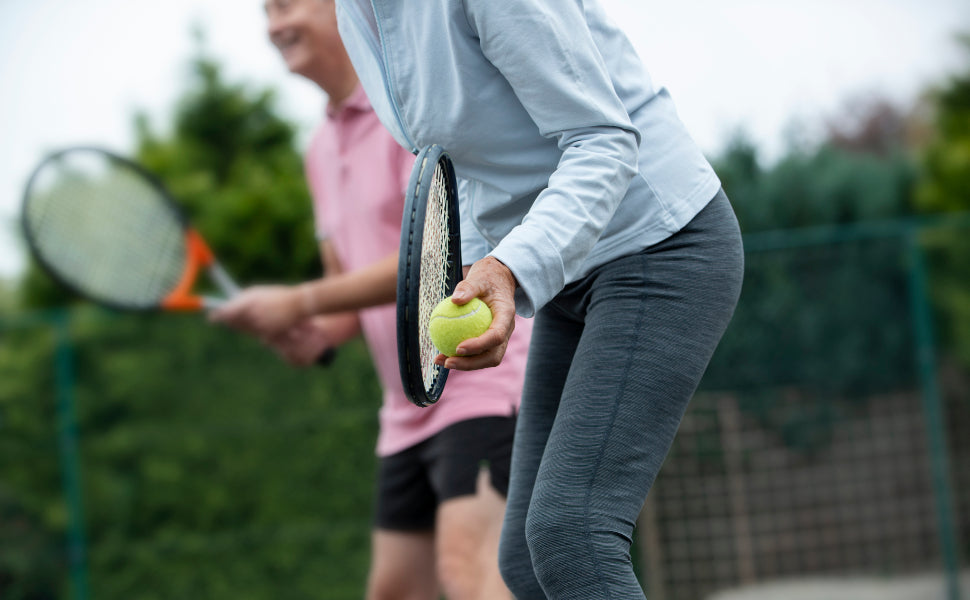
As the weather warms up and we head into the peak of summer—perfect for hitting the tennis courts, tackling outdoor DIY projects, or enjoying active Father's Day weekends with the family—the last thing you want is for elbow pain to sideline you. When dealing with tennis elbow (lateral epicondylitis), finding the right physical support is crucial to staying active.
But as you evaluate your options, you'll quickly run into a frustrating roadblock: choosing the right material. Should you go with the familiar, rubbery feel of neoprene, or opt for an advanced woven fabric?
Choosing the best tennis elbow brace goes far beyond just picking the right size. Your decision directly impacts how the brace manages heat on a humid July afternoon, how well it stabilizes your tendons during a dynamic swing, and whether you'll actually want to wear it for long stretches.
Let's break down the exact biomechanical differences between neoprene and advanced fabrics, so you can make an informed, confident decision for your recovery.
The Science of Compression: How Different Materials Enhance Healing
Before comparing the materials, it helps to understand exactly what a high-quality brace is trying to achieve. Healing tennis elbow requires more than just wrapping the joint tightly.
Whether you are looking for general elbow support or wondering exactly how a counterforce brace works, the goal is to alter the load distribution on your extensor tendons. By applying specific, targeted pressure just below the elbow joint, a good brace dampens the vibrations that travel up your arm when you grip, swing, or lift.
However, how that pressure is delivered depends entirely on the material wrapping your arm.

Deep Dive: The Case for Neoprene Braces
Neoprene is a synthetic rubber that has been the industry standard for decades. It is incredibly robust, highly affordable, and readily available.
The Advantages of Neoprene
- Thermal Retention: Neoprene is an excellent insulator. If you are dealing with a stiff joint in a cold climate, neoprene traps your body heat, increasing local blood circulation and helping to loosen rigid tendons.
- Uniform Compression: Because of its rubbery nature, neoprene applies a firm, equal level of compression across the entire surface area it covers. This provides a strong sense of stability during the initial, acute phase of an injury.
- Durability: Neoprene is tough. It withstands heavy physical impact and resists tearing, making it a rugged choice for heavy-duty environments.
The Drawbacks of Neoprene
- Zero Breathability: The same insulating properties that keep your arm warm also trap sweat. During active summer sports or prolonged wear, neoprene can quickly become uncomfortably hot and heavily saturated with moisture.
- Bulkiness: Traditional neoprene is thick. It can bunch up in the crease of your elbow, inhibiting your natural range of motion and occasionally pinching the skin.
- Non-Standardized Compression: While neoprene is tight, it lacks "graduated" compression. It squeezes the entire arm equally, rather than targeting specific pressure points while leaving surrounding muscles free to flex.
Deep Dive: Advanced Fabric and Knit Braces
In recent years, the protective gear landscape has shifted dramatically toward advanced, 3D-woven knitted fabrics. Blending nylon, spandex, and highly specialized microfibers, these braces offer a more sophisticated approach to recovery.
The Advantages of Knit Fabric
- Graduated, Anatomical Compression: Unlike the uniform squeeze of rubber, high-quality fabrics can be woven to apply varying levels of pressure. They offer firm, targeted support exactly over the inflamed tendon, while easing up around the edges to promote healthy blood flow and reduce edema (swelling).
- Superior Breathability: This is where fabric truly outshines neoprene, especially in the warmer months. Advanced knits allow continuous airflow, actively wicking moisture away from the skin.
- Integration of Advanced Viscoelastic Materials: The best fabric models incorporate highly engineered silicone or gel pads into the weave. These pads act as shock absorbers, dispersing the mechanical stress away from your elbow joint.
- Second-Skin Fit: Fabric contours naturally to the complex anatomy of your arm. It moves with you, preventing the dreaded "bunching" in the elbow crease, allowing for a completely natural golf or tennis swing.
The Drawbacks of Knit Fabric
- Investment: Developing medical-grade knits requires advanced manufacturing, which can sometimes make these braces slightly more expensive than basic neoprene wraps.
- Care Requirements: While durable, advanced elastic fabrics require slightly more mindful washing to maintain their elasticity over time.
Skin Sensitivity and Brace Materials: Choosing Hypoallergenic Options
One of the most frequently overlooked evaluation criteria is skin health. As we enter the hot summer season, wearing a tight band around your arm for hours can lead to contact dermatitis, commonly known as brace rash.
Because neoprene is a synthetic rubber that traps heat and sweat, it creates a breeding ground for bacteria and friction. If you have sensitive skin, wearing a neoprene brace all day—especially during an active workout—can result in severe itching and redness.
Conversely, premium knit fabrics are generally hypoallergenic and latex-free. By allowing sweat to evaporate instantly, fabric braces eliminate the friction and trapped salt that cause irritation, making them the superior choice for prolonged, everyday wear.
Caring for Your Elbow Brace: Maximizing Lifespan
Regardless of the material you choose, proper maintenance is vital for ensuring your brace retains its compressive properties.
For Neoprene: Hand wash only using a mild detergent in cold water. Never put neoprene in a washing machine or dryer, as high heat will warp the synthetic rubber and degrade the Velcro attachments. Allow it to air dry completely in a well-ventilated space to prevent odor buildup.
For Fabric/Knit: Many advanced knit braces are machine washable on a gentle cycle (always check the manufacturer's label). However, to preserve the micro-elastic fibers and internal silicone padding, you should still avoid fabric softeners and the dryer. Lay the brace flat to air dry. Taking care of your equipment ensures you maintain reliable tennis elbow support month after month.

The Decision Matrix: Which Material is Right for You?
To simplify your choice, we've broken down the ideal use cases for each material.
| Feature | Neoprene Braces | Advanced Fabric/Knit Braces |
|---|---|---|
| Primary Benefit | Maximum warmth and uniform rigidity | Targeted compression and breathability |
| Best For | Short-duration use, cold weather, acute injury stabilization | Long-term wear, summer sports, dynamic movement |
| Breathability | Low (Traps heat and moisture) | High (Moisture-wicking and ventilated) |
| Skin Comfort | Moderate (Risk of friction/sweat irritation) | Excellent (Hypoallergenic, soft against skin) |
| Mobility | Can feel bulky or restrictive | Lightweight, anatomical second-skin fit |
At Fivali, we understand that true injury prevention requires gear you actually want to wear. That is why our comprehensive line of solutions focuses heavily on high-quality, breathable knits paired with targeted shock-absorbing technology. Whether you need a simple compression sleeve or a highly targeted brace elbow strap equipped with viscoelastic silicone padding, we engineer our products to deliver superior support without sacrificing your comfort.
Frequently Asked Questions
Can I wear my tennis elbow brace all day?
If you are wearing an advanced breathable fabric brace, yes, you can comfortably wear it throughout the day, provided it is properly sized. However, because neoprene traps heat and moisture, it is generally recommended only for shorter bursts of activity (like a 2-hour tennis match) to avoid skin irritation.
Will a fabric brace stretch out and lose its support over time?
Low-quality elastics will lose their shape, but premium 3D-knit fabrics—like those utilized in Fivali's product line—are specifically engineered with high-rebound spandex and nylon blends. With proper care (avoiding the dryer and harsh chemicals), a high-quality fabric brace will maintain its medical-grade compression for a long time.
I play sports in the heat; will a brace make me sweat excessively?
If you use neoprene in the summer heat, you will experience significant sweating under the brace. For active summer use, a woven knit fabric is non-negotiable. It pulls moisture away from the skin and allows air to circulate, keeping the joint cool and dry.
Making Your Final Choice
The effectiveness of any tennis elbow brace comes down to consistency. If a brace is too hot, too bulky, or chafes your skin, it will end up sitting in your gym bag instead of supporting your arm.
While neoprene offers undeniable warmth and ruggedness for specific, short-term needs, advanced knit fabrics represent the modern standard for active recovery. By combining targeted, graduated compression with breathable, skin-friendly materials, knit braces allow you to play harder, recover faster, and enjoy your active lifestyle without compromise.