How Long to Wear a Wrist Brace After Cast Removal

Getting a cast removed is a massive milestone for any active individual, signaling the end of strict immobilization and the beginning of active recovery. However, the timing of what happens next dictates long-term performance and joint health. Protecting healing tissues, preventing catastrophic reinjury, and progressively restoring function all hinge on how the transition back to raw movement is managed. This article provides clear, practical guidance for athletes and highly active people regarding the timeline for bracing once a cast comes off. Because individual variation in healing rates is significant, adherence to a treating clinician or physical therapist’s specific protocol remains the ultimate baseline for safe recovery.

Structural Changes Following Cast Removal
During the weeks spent in fiberglass or plaster, the cast performed the critical job of total immobilization. This static environment allowed fractured bones to knit together and shielded damaged soft tissues from movement that could disrupt cellular repair. Yet, this necessary lockdown comes with a physical cost.
Upon removal, the joint enters a vulnerable state requiring ongoing, scalable support. Bone consolidation is often incomplete, meaning the fracture site cannot yet handle heavy loads or sudden impacts. Furthermore, the surrounding muscles and tendons have experienced atrophy, leaving the joint without its natural muscular shock absorbers. Ligaments may still be stiff or healing, and proprioception—the body’s ability to sense joint position in space—is significantly dampened.
The recovery trajectory typically follows sequential phases to rebuild these deficits safely. The process moves from strict protection to basic mobility, followed by progressive strengthening, and finally, a full return to sport or intense physical labor.
Variables Influencing Duration of Protection
The timeline for external support is never a one-size-fits-all metric. Multiple physiological and mechanical factors dictate exactly how long specialized gear must be worn to prevent setbacks.
The type and severity of the initial injury play the largest role. A simple, non-displaced fracture heals differently than a comminuted fracture (where the bone shatters into multiple pieces) or a complex ligament tear like a Triangular Fibrocartilage Complex (TFCC) injury. Similarly, the anatomical location of the damage—whether it involves the distal radius, the notoriously slow-healing scaphoid bone, or thumb articulation—alters the timeline.
Stability at the exact moment of cast removal also sets the pace. Clinical assessments and follow-up x-rays determine how much load the bone can safely bear. Age and underlying bone health, such as peak bone density or osteopenia, further stretch or compress the healing calendar.
Additionally, the physical demands of an athlete's specific sport or occupation dictate the risk of re-injury. A gymnast or powerlifter will require prolonged protection compared to a runner. Finally, the presence of persistent pain, localized swelling, range-of-motion deficits, and strict compliance with rehabilitation exercises heavily influence how quickly external support can be discarded.
Practical Timelines and Wearing Schedules
Athletes need concrete frameworks to plan their training blocks. While individual adjustments are necessary, typical recovery timelines fall into distinct, progressive phases.
Immediate Post-Cast Phase (0–2 Weeks)
During the immediate days following cast removal, the joint is highly susceptible to tweaking. The most common protocol requires full-time wear during all waking hours, totaling roughly 10 to 16 hours a day. The brace is typically only removed for showering and specific, clinician-approved hygiene routines. A rigid or semi-rigid splint is heavily utilized here to simulate the protection of a cast while allowing the skin to finally breathe. Nighttime usage is often recommended if sleep movements cause pain.
Early Transition Phase (2–6 Weeks)
As the bone solidifies and early mobility returns, the protocol shifts. Athletes generally transition to daytime-only full support. During this window, the gear is removed more frequently for supervised range-of-motion exercises and light, unloaded daily tasks. Supervised motion gradually increases, allowing the connective tissues to adapt to mild stressors without facing the risk of sudden, forceful impacts.
Activity and Return-to-Sport Phase (6–12+ Weeks)
At this stage, the focus shifts to dynamic stabilization. External bracing is reserved specifically for higher-risk activities, including gym sessions, sport-specific drills, and heavy lifting. Utilization drastically decreases for low-risk daily tasks. Transitioning to a wrist brace that offers compression or utilizing a lighter stabilizer often replaces the bulky, rigid splints used in earlier weeks. Sleeping with support is usually phased out unless required for persistent comfort.
Long-Term and Residual Protection (3–6 Months)
Residual protection involves occasional, highly targeted bracing during actual competition or extremely heavy manual labor. Most individuals successfully wean off all external support by the three-month mark. However, athletes recovering from severe ligamentous injuries or those participating in extreme contact sports may utilize intermittent protection for up to six months or longer.
Guidelines Based on Injury Type
Illustrative ranges highlight the contrast between different injuries. A simple, stable distal radius fracture might require a rigid splint for 2–6 weeks post-cast, followed by part-time support for another 2–6 weeks. In contrast, scaphoid fractures—known for poor blood supply—frequently demand longer protection, potentially requiring rigid support for 6–12 weeks after the cast is discarded. Complex ligament or TFCC repairs often follow even stricter, prolonged continuous bracing protocols based on specific surgical guidance.
Selecting the Appropriate Brace for Each Stage
Matching the specific piece of equipment to the current phase of tissue healing accelerates recovery and prevents movement compensations.
A rigid splint featuring a dorsal or palmar aluminum insert is the gold standard immediately after cast removal. It provides robust immobilization, making it ideal for unstable fractures, early post-cast protection, and eventually guarding against accidental impacts in crowded environments.
As healing progresses, a semi-rigid wrist stabilizer becomes the preferred tool. This type of gear offers a strategic balance between safeguarding the joint and permitting controlled motion. The molded or slightly flexible supports allow athletes to perform light physical tasks and basic rehabilitation exercises without hitting painful end-ranges of motion.
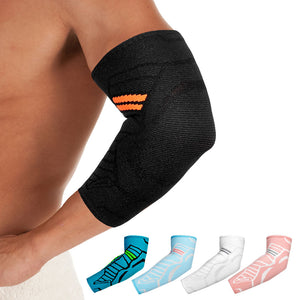
For late-stage rehabilitation, chronic mild instability, or low-risk daily use, a compression sleeve paired with an adjustable strap acts as an excellent wrist support. These sleeves excel at swelling control, are highly comfortable for extended wear, and enhance proprioceptive feedback—reminding the athlete’s nervous system to actively stabilize the area.
If the thumb base or thumb ligaments were involved in the injury, a thumb spica is required to bridge the stabilization across both the wrist and the thumb articulations. Finally, a dedicated night splint may be deployed if nocturnal pain or unconscious guarding disrupts sleep, keeping the joint locked in a neutral, stress-free position overnight.
Daily Schedules and Wearing Templates
Structuring the day around joint protection ensures consistent healing without sacrificing necessary mobility work.
A conservative template for an athlete returning to sport looks like this:During weeks 0–2, rigid gear is worn during all waking hours, removed solely for hygiene and strictly prescribed range-of-motion protocols. From weeks 2–6, the rigid or semi-rigid unit is worn during all weight-bearing tasks or athletic movements, but removed during targeted rehab sessions to encourage muscle activation. During weeks 6–12, bracing is isolated exclusively to sports, weight training, and high-risk environmental tasks, utilizing lighter support for everything else. Beyond 12 weeks, the gear is kept in the gym bag and deployed only during maximal loads or intense competition.
Practically, full-time protection equates to 10–16 hours per day. Part-time transition phases generally cover 4–8 hours daily, concentrated entirely around physical activity. When it comes to sleeping, the decision is largely comfort-based; support is worn if a neutral sleeping posture cannot be maintained naturally without causing morning stiffness or swelling.
Stepwise Plan for Weaning Off Support
Quitting cold turkey after weeks of strict support drastically spikes the risk of tendinitis and joint flare-ups. A stepwise reduction is mandatory.
Start by gradually reducing the hours worn per day over a period of several weeks. Systematically increase supervised loading and sport-specific drills while the joint is unprotected in a controlled clinical or gym environment.
Before completely discontinuing external support, swap out the rigid, metal-inserted gear for a flexible semi-rigid model or a thick compression sleeve. This downgrades the mechanical support while keeping the proprioceptive benefits high. Monitor pain, swelling, and mechanical symptoms during each step down. If sharp pain or feelings of instability recur, revert to the previous level of support for an additional week before trying to step down again.
Rehabilitation Strategies During the Bracing Phase
External support is meant to facilitate rehabilitation, not replace it. Active muscle engagement must occur alongside mechanical protection.
Early phase goals prioritize maintaining mobility in the adjacent joints—specifically the fingers, elbow, and shoulder. Controlling swelling through elevation and gentle, unresisted wrist motion (when removed from the splint) dominates this phase.
Mid-phase rehabilitation shifts toward progressive strengthening. Athletes begin with isometric holds (contracting muscles without moving the joint) and graduate to isotonic exercises using light resistance bands or dumbbells. Proprioception drills and targeted grip-strength work are heavily emphasized here to wake up the dormant forearm musculature.
Late-phase recovery is heavily sport-specific. It involves dynamic loading, plyometrics, and simulated field play. Protective gear is often worn during these intense sessions to prevent hyperextension or hyperflexion during explosive movements. Physical therapists and athletic trainers play a vital role throughout this progression, adjusting the type of gear and dictating exactly when it is safe to increase the velocity of movements.
Practical Training Tips for Athletes
Navigating the gym and the field post-injury requires strategic modifications to avoid stalling progress.
Many athletes utilize athletic taping underneath their gear for an extra layer of customized support during the return-to-play phase. Taping techniques should follow a sports therapist's exact specifications.
Avoiding total physiological dependence on external equipment is crucial. Prioritize isolated strengthening and proprioception training so the tendons and ligaments ultimately take over the job of the brace.
When attacking gym movements, protect the joint by modifying loads. Utilize rigid support during heavy pressing movements like bench presses or overhead presses, and adapt grips during Olympic lifts to maintain a neutral joint angle.
Always keep a spare piece of gear in the gym bag. Having a backup ensures consistent protection and proper hygiene when the primary unit is damp from sweat or currently in the wash. Furthermore, for long training sessions, selecting gear made from breathable, moisture-wicking materials prevents skin maceration and severe discomfort.
Fitting, Maintenance, and Replacement Guidelines
Even the highest quality gear is useless if it fits poorly or has degraded structurally over time.
A proper fit should feel highly snug but never painful. There should be roughly a one-to-two finger gap of allowance under the main straps to prevent tourniquet effects, and the athlete should never experience numbness, tingling, or throbbing in the fingers. Common fit problems usually stem from over-tightened straps or collapsed internal padding; adjusting the micro-straps or ensuring the correct size was purchased usually resolves these issues.
Maintenance extends the life of the protective equipment. Always hand wash the materials with mild detergent, allow them to air dry completely, and strictly avoid high-heat environments like tumble dryers, which warp internal plastics and degrade elastic fibers.
Knowing when to replace equipment is a matter of safety. If the straps are visibly stretched out, the Velcro loses its grip, the structural inserts bend out of shape, or the athlete experiences a noticeable loss of mechanical support during lifts, the unit must be replaced immediately.
Warning Signs to Stop Bracing Immediately
While external support is designed to heal, improper use or unexpected medical complications require immediate intervention.
Stop utilizing the gear and seek clinical evaluation immediately if there is a sudden increase in sharp pain, new sensations of numbness or tingling radiating into the hand, fingers turning blue or pale, or aggressively worsening localized swelling.
Additionally, if the equipment causes severe skin breakdown, persistent pressure sores over bony prominences, or circulatory changes, it is ill-fitting or contraindicated. A sudden onset of new joint instability or altered motor function after removing the gear also warrants a prompt clinical check to ensure the healing bone has not shifted. Finally, if follow-up imaging or clinical signs indicate delayed union or non-union of the bone, standard bracing protocols must be halted and reevaluated.
Buyers' Checklist for Supportive Gear
When acquiring new equipment for the post-cast phase, athletes should systematically evaluate their options to ensure optimal performance.
Match the exact type of gear to the current stage of recovery and the anticipated activity level—do not buy a lightweight sleeve for a week-one post-cast transition. Look for modular features like adjustable tension straps and removable rigid splints, which allow the same piece of gear to adapt as healing progresses.
Always consult the specific manufacturer's sizing guide, relying on accurate wrist circumference measurements rather than generic sizing, and confirm whether the unit is specifically contoured for the left or right hand. Lastly, prioritize clinician-recommended features based on the injury, such as integrated thumb spicas, sturdy dorsal inserts, or low-profile designs that fit inside athletic gloves.
Timing for Healthcare Professional Consultations
The journey does not end the day the fiberglass is sawed off. Structured check-ins ensure the timeline stays on track safely.
Post-cast follow-up schedules typically require visits to the orthopedist or surgeon to verify radiographic healing via x-ray. Concurrent visits to a physical therapist dictate the day-to-day progression of load management.
Athletes must proactively ask for guidance regarding radiographic bone union, exact physiological timelines for safe sport return, and highly specific gear specifications required for their discipline. When dealing with complex surgical histories, hardware implants (like plates and screws), or multi-ligament injuries, standardized timelines go out the window, and a fully tailored, clinician-directed protocol is mandatory.
Conclusion
The duration required for wearing protective equipment after a cast is highly individualized, relying entirely on a staged, activity-based progression rather than a static spot on a calendar. Moving from rigid immobilization to dynamic athletic performance demands patience, structured scaling, and the right mechanical support at the right time. For athletes aiming to return to peak performance, the formula is clear: combine intelligent, phased protective gear with aggressive, progressive rehabilitation to build back stronger and safer. Above all, strict adherence to specialized clinical and therapeutic recommendations ensures the joint remains stable for seasons to come.
Frequently Asked Questions
1. How long do people usually wear a wrist brace after cast removal?
often 2–6 weeks full or part-time, tapering to part-time for another 4–8 weeks; however, this varies heavily by injury severity and specific clinician advice.
2. Can I sleep with a wrist brace after cast removal?
Yes, especially if it reduces nocturnal pain or prevents harmful sleeping positions; use a comfortable, designated night splint if recommended.
3. Do I need a rigid brace or is a compression sleeve enough?
Rigid models are required for immediate protection after cast removal or for unstable injuries; compression sleeves are sufficient for later-stage support and minor swelling control.
4. When can I return to lifting weights or contact sports?
Only after a clinician or physical therapist clears you—typically through a gradual reintroduction phase spanning from 6–12+ weeks, utilizing targeted protection during high-risk sessions.
5. Will wearing a brace weaken my wrist long-term?
Short-term protective use is safe and necessary. To avoid long-term weakness, avoid prolonged immobilization without concurrent rehab—prioritize active strengthening and proprioception work.
6. How do I know if the brace fits correctly?
It should be snug without causing numbness, allow normal finger motion, and restrict joint motion exactly where expected; consult a fitter or therapist if unsure.
7. Can I shower with the brace on?
Most structural equipment should be removed for showering to prevent degrading the materials; follow specific product care instructions and ensure the skin is thoroughly dry before reapplying.
8. How often should I change or replace the brace?
Replace the unit when it loses structural support, the Velcro straps wear out, or if hygiene and skin issues develop; keeping a spare for intense training days is highly recommended.
9. What if I still have pain/swelling after stopping the brace?
Return to your clinician or physical therapist for a thorough reassessment—you may require extended mechanical protection, further imaging, or a modified rehabilitation strategy.
10. Is taping a good substitute for a brace during sports?
Taping can successfully supplement or sometimes replace rigid gear for highly specific athletic activities, but it requires correct application technique and is usually only effective for short durations.
Appendix
Sample Week-by-Week Rehab Checklist for Athletes (General Guide)
- Week 1-2: Maintain finger/elbow ROM. Elevate to reduce swelling. Wear rigid support 10-16 hours/day.
- Week 3-4: Begin isometric loading. Perform unweighted joint ROM exercises. Step down to daytime support.
- Week 5-8: Initiate isotonic strengthening (light dumbbells/bands). Begin proprioceptive catch-and-release drills. Limit gear strictly to weight-bearing gym sessions.
- Week 9-12+: Sport-specific dynamic loading (plyometrics, heavy barbell work). Wear light support or tape only for heavy contact or max-load days.
Quick Comparison Table of Gear Types
| Brace Type | Ideal Recovery Phase | Primary Benefit | Best For |
|---|---|---|---|
| Rigid Splint | Weeks 0-4 (Immediate) | Maximum immobilization | Heavy lifting, immediate post-cast, high-risk environments |
| Semi-Rigid Stabilizer | Weeks 3-8 (Transition) | Controlled mobility | Return to light sports, functional daily movements |
| Compression Sleeve | Weeks 6-12+ (Late Stage) | Proprioception & Swelling | Low-risk daily use, endurance sports, chronic stiffness |
Clinician Conversation Starter for Athletes
Print or save these questions to discuss at your post-cast follow-up appointment:
- "Based on my x-rays, how much physical load can this bone safely handle right now?"
- "What specific type of support do you recommend for my return to [insert specific sport/gym activity]?"
- "Are there any exact ranges of motion I need to strictly avoid this week?"
- "What biomechanical milestones do I need to hit before I can stop wearing this gear completely?"