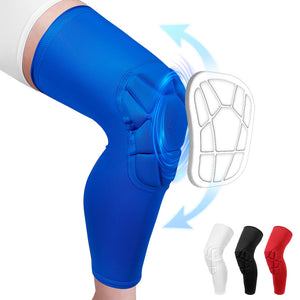
Adjustable Knee Support
- Black
- Green
- Orange
- Pink
- Black
- Blue
- Green
- Red
- Orange
- Blue
- Dark Blue
- Black
- White
- Red
- Blue
- Black
- Blue
- Red
- Orange
- Yellow
- Black
- Blue
- Green
- Red
- Blue
- Black
- White
- Red
- Dark Blue
- Grey
- Black
- Blue
- Pink
- Grey
- Black
- White
- Light Black
- Black
- Light Grey
- Grey
- Magenta
- Black
- Green
- Black
- Grey
- Red
- Blue
Is It OK to Wear a Knee Support for Arthritis?
Millions of adults experience the daily challenges of joint stiffness, aching cartilage, and knee osteoarthritis. If you are looking for ways to stay active and manage daily discomfort, you might be wondering if adding a knee support to your wellness routine is a safe and effective choice.
The short answer is a resounding yes. While it will not magically cure the underlying condition, wearing the right sleeve or wrap can significantly relieve arthritis discomfort by improving joint stability during everyday activities. By providing targeted compression and warmth, it reduces the daily pressure on your vulnerable knee joint, making movement much more comfortable and helping you maintain your independence.
How Compression Helps Arthritic Knees
Arthritis often brings a frustrating cycle of inflammation, swelling, and a feeling that your joint might "give out." Wearing proper compression gear provides several key benefits for joint pain management:
- Enhanced Stability: It provides physical reinforcement to help keep the patella (kneecap) aligned, reducing strain on weakened ligaments.
- Soothing Warmth: The fabric retains body heat, which promotes localized blood circulation. This warmth can drastically reduce the morning stiffness commonly associated with joint degradation.
- Swelling Reduction: Gentle, continuous compression helps prevent fluid buildup in the joint capsule, keeping inflammation at bay after physical exertion.
When Should We Wear an Adjustable Knee Support?
Knowing the right time to put on your compression gear is crucial for maximizing its benefits and protecting your mobility. An adjustable knee support is most helpful during weight-bearing activities that put repetitive stress on your lower body. You should consider strapping it on for activities such as:
- Walking around the neighborhood or navigating uneven terrain.
- Climbing up and down stairs in your home.
- Running errands, grocery shopping, or doing household chores.
- Standing for long periods at work or in the kitchen.
- Engaging in low-impact exercises like walking on a treadmill, golfing, or gardening.
It is equally important to let your skin and joints breathe. If you are resting on the couch, sitting at your desk for hours, or sleeping in bed, the brace usually isn't needed unless specifically advised by a healthcare professional. Relying on it constantly while entirely inactive is unnecessary and can sometimes cause you to become overly dependent on the external stability.
Finding the Perfect Fit: Not Too Tight, Not Too Loose
A common mistake people make when trying to reduce knee joint pain is wearing their gear as tightly as possible, assuming a tighter squeeze equals better protection. However, the brace should feel comfortably snug but not overly restrictive. You want to feel supported, not trapped.
The Two-Finger Rule
To ensure you are getting the right amount of compression without cutting off circulation, apply the "two-finger rule." Once your gear is secured in place, you should be able to bend your knee naturally and easily slide one or two fingers beneath the edges of the straps or the top and bottom bands.
Signs Your Fit Needs Adjusting
Pay close attention to how your leg feels after a few minutes of movement. If you notice any numbness in your toes, increased lower-leg swelling, a tingling or throbbing sensation, or deep-red pressure marks on your skin after taking it off, the fit is far too tight and should be loosened immediately.
Follow Professional Advice for Long-Term Joint Health
While adding protective gear to your daily routine is an excellent step toward relieving knee pain, it should be part of a broader, more comprehensive wellness strategy. If you have severe arthritis, persistent joint swelling, or are recovering from a recent knee surgery, it is always best to follow the specific wearing schedule recommended by your doctor or physical therapist.
Using the brace correctly, together with an appropriate treatment plan—which may include targeted strength training, stretching routines, and low-impact cardiovascular exercise—provides better, more reliable support for long-term joint health. By listening to your body and utilizing the right tools, you can confidently take control of your arthritis and keep moving forward with ease.