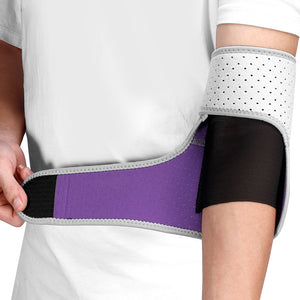
Elbow Pad for Bursitis
- Black
- Grey
- Blue
- Purple
- Pink
- Black
- Dusty Blue
- Blue
- Pink
- White
- Pink
- White
- Yellow
- Purple
- Black
- Black
- Grey
- Grey
- Black
- Blue
- Grey
- Blue
- Black
- Black
- Blue
What is the Fastest Way to Heal Bursitis of the Elbow?
The fastest way to reduce inflammation in the elbow joint involves immediate joint protection, targeted cold therapy, and strategic rest to let the fluid-filled sac recover. While recovery timelines vary by severity, minimizing direct pressure and stabilizing the area are the most effective ways to speed natural healing.
Managing Initial Inflammation and Pain
When treating elbow bursitis, the primary goal is to calm the irritated bursa and prevent fluid buildup. A simple care routine can significantly shorten recovery time.
Active Rest Protocols: Pausing activities that involve repetitive arm extensions or leaning on hard surfaces helps prevent further microtrauma to the joint.
Cryotherapy Applications: Applying an ice pack wrapped in a cloth for 15 to 20 minutes several times a day constricts blood vessels, helping reduce swelling and numb acute pain.
Therapeutic Management: Over-the-counter nonsteroidal anti-inflammatory drugs (NSAIDs), such as ibuprofen or naproxen, can help relieve discomfort and reduce systemic inflammation.
The Role of Mechanical Protection and Support
Accumulated pressure is a leading cause of prolonged joint irritation. Introducing specialized support gear can shield the elbow from daily friction and accidental impacts.
Wearing a elbow bursitis pad offers a practical solution by distributing forces evenly across the joint. This cushioning effect minimizes direct stress on the delicate bursa, allowing individuals to navigate daily routines with less risk of aggravating the injury.
For those returning to regular work environments or light fitness routines, a high-quality elbow sleeve with a pad serves two purposes:
It maintains localized warmth, which supports flexible blood flow and tissue elasticity.
It delivers light compression to discourage excess fluid buildup around the olecranon process.
Restoring Mobility and Long-Term Joint Health
Once the sharp pain and major swelling begin to subside, transitioning toward gentle rehabilitation helps ensure the joint does not become stiff or weak.
Controlled Range-of-Motion Exercises: Gentle, pain-free movements help maintain flexibility and promote nutrient circulation around the joint tissue.
Gradual Strengthening: Strengthening the muscles surrounding the elbow improves natural shock absorption during physical tasks.
Advanced Fluid Management: In persistent cases where fluid remains stubborn, clinicians may use options such as aspiration or corticosteroid injections to jump-start recovery.
Prevention Strategies to Avoid Recurrence
Long-term joint health relies heavily on habit changes and protecting the arm from future flare-ups.
Ergonomic Adjustments: Modifying workstations to avoid leaning directly on elbows during long office hours or repetitive tasks.
Utilization of Protective Gear: Consistently wearing padded elbow sleeves during high-risk sports or hobbies that demand repetitive arm movements.
Weight and Activity Management: Staying physically active while maintaining a balanced weight reduces the mechanical load placed on all major joints.