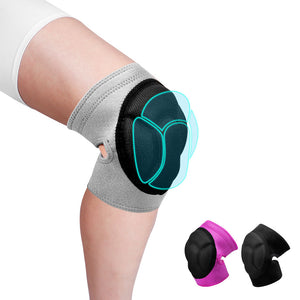
Best Knee Brace For Bone On Bone
- Black
- Green
- Orange
- Pink
- Black
- Blue
- Green
- Red
- Orange
- Blue
- Dark Blue
- Black
- White
- Red
- Blue
- Black
- Blue
- Green
- Red
- Dark Blue
- Grey
- Black
- Blue
- Pink
- Grey
- Black
- White
- Light Black
- Black
- Light Grey
- Grey
- Magenta
- Black
Will a Knee Brace Help Bone-on-Bone?
Living with severe joint discomfort can drastically alter your daily routine, making simple movements feel like monumental tasks. Bone-on-bone knee pain typically occurs when the protective cartilage within the knee joint wears down completely due to advanced osteoarthritis or degenerative joint conditions. Without this essential cushioning, the bones rub directly against each other, causing extreme friction, inflammation, and intense aching.
Many people with this level of joint degeneration wonder whether external support can make a meaningful difference. Fortunately, the right orthopedic support can help redistribute weight and reduce pressure on the affected area, offering significant comfort and reducing daily pain.
The Mechanics of Bone-on-Bone Knee Pain
When joint cartilage is depleted, the natural shock-absorbing capabilities of your leg are severely compromised. Simple actions like walking down stairs, getting out of a chair, or maintaining balance become challenging. Supportive devices work by altering how physical forces travel through the leg. By absorbing shock and providing enhanced sensory feedback, a well-designed support system improves joint stability and helps you navigate your day with more confidence.
Exploring Your Support Options
Not all knee supports are created equal, and selecting the right one depends heavily on your specific symptoms, the location of your cartilage loss, and your daily activity levels.
Compression Knee Sleeves for Mild to Moderate Relief
Compression knee sleeves are often a popular option for those seeking moderate support without the bulk of a rigid frame. Crafted from flexible, breathable fabrics, these sleeves provide gentle, consistent compression around the entire joint. This snug fit helps to increase blood circulation, reduce localized swelling, and relieve some of the persistent discomfort associated with bone-on-bone pain. Furthermore, the retained body heat keeps the joint warm, which is excellent for soothing stiff ligaments and tendons upon waking up or during colder weather.
Hinged Knee Braces for Advanced Stability
For individuals dealing with more advanced conditions and noticeable joint instability, a hinged knee brace is often the most effective solution. Hinged braces feature rigid metal or heavy-duty plastic supports on either side of the knee. These structural additions provide strong medial and lateral stability, limiting unnatural side-to-side movement and dangerous hyperextension that could worsen pain. These heavy-duty supports are especially beneficial for people who need extra protection during demanding physical tasks, long-distance walking, or prolonged standing when the knees are under constant, unforgiving strain.
Unloader Knee Braces for Targeted Pressure Relief
When cartilage depletion is isolated to just one side of the knee—a condition known as unicompartmental osteoarthritis—an unloader brace is an exceptional choice. By applying strategic pressure to the thigh and calf, these specialized supports literally "unload" or shift the body's weight away from the damaged, bone-on-bone section of the joint onto the healthier, more cushioned side. This targeted offloading significantly decreases bone friction, helping to restore a more natural, pain-free gait.
Maximizing Your Mobility and Long-Term Joint Health
Whether you choose a flexible compression sleeve, a structured hinged design, or a specialized unloader, finding the best knee brace for your unique anatomy is a pivotal step toward regaining mobility. Using a supportive sleeve or rigid frame properly can dramatically improve daily comfort.
However, external support should never be viewed as a standalone cure. It should always be part of a comprehensive, broader treatment strategy designed to maintain long-term joint health.
Pairing your daily joint support with low-impact exercises—such as swimming, water aerobics, or stationary cycling—helps strengthen the quadriceps and hamstrings, allowing your own muscles to absorb more shock. Additionally, maintaining a healthy weight reduces the overall physical load placed on your lower extremities. By combining proper joint support with proactive lifestyle adjustments and targeted physical therapy, you can successfully manage severe cartilage loss, minimize bone-on-bone friction, and reclaim your active lifestyle.