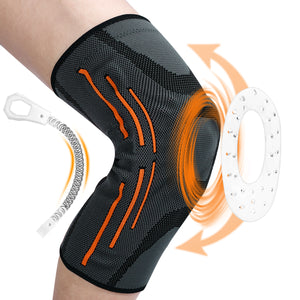
Best Knee Brace for Torn ACL and Meniscus
- Black
- Green
- Orange
- Pink
- Black
- Blue
- Green
- Red
- Orange
- Blue
- Dark Blue
- Black
- White
- Red
- Blue
- Black
- Blue
- Red
- Orange
- Yellow
- Black
- Blue
- Green
- Red
- Blue
- Black
- White
- Red
- Dark Blue
- Grey
- Black
- Blue
- Pink
- Grey
- Black
- White
- Light Black
- Black
- Light Grey
- Grey
- Magenta
- Black
- Green
- Black
- Grey
- Red
- Blue
Should You Wear a Knee Brace with a Torn ACL?
A torn anterior cruciate ligament can be a severely debilitating injury for athletes, active individuals, and anyone who spends a significant amount of time on their feet. When you experience this type of trauma, the structural foundation of your joint is compromised. One of the most common questions that arises during the early stages of recovery is whether wearing external support is truly beneficial. The short answer is an absolute yes—wearing a high-quality knee brace can provide significant support and stability to your joint, particularly during your initial recovery and rehabilitation period.
When considering protective gear for a torn ligament, it is essential to choose an option that addresses your specific symptoms. Generally, supportive sleeves and hinged frames can help reduce pain and swelling, improve overall mobility, and prevent further damage. They also provide an essential sense of psychological security, allowing you to engage in daily activities with much more confidence.
Understanding the Connection Between Ligament and Cartilage Injuries
It is incredibly common for an ACL injury to happen alongside other joint complications. Because the twisting motion that tears a ligament also puts immense pressure on the surrounding cartilage, many people end up dealing with both at once. If you are dealing with a complex injury, finding a reliable knee brace for torn meniscus recovery can make a world of difference. Proper compression helps manage the localized swelling that typically accompanies cartilage damage, working alongside the structural support your torn ligament needs.
Types of Supportive Braces for Your Recovery
Navigating the market for supportive gear can be overwhelming. There are primarily three types of braces to consider: preventive, functional, and rehabilitative.
Functional Braces
For individuals dealing with a damaged anterior cruciate ligament, functional braces are typically the most highly recommended. These designs are engineered to support and stabilize the joint during physical activities. By mimicking the ligament's natural stabilization, they help maintain proper anatomical alignment and dramatically reduce the risk of the knee giving out or buckling.
Rehabilitative Braces
Rehabilitative models are incredibly useful during the acute recovery phase, particularly if you are post-operation. They allow strictly controlled movement, often with adjustable dials that limit how far you can bend or straighten your leg. This protects healing tissue from sudden, jerky movements.
Preventive Braces
On the other hand, preventive braces (often compression sleeves with mild support) suit athletes who have fully recovered and want to avoid future injuries while returning to high-impact activities.
Core Benefits of Wearing Protective Gear
Adding the right support to your daily routine offers many advantages that go far beyond simple joint compression.
- Crucial Stability: Your joint relies on ligaments to keep the bones properly stacked. When one is torn, the joint becomes loose. A well-designed brace provides the mechanical support needed to hold the joint in place, especially in the early, most vulnerable stages of recovery. This stability helps ease sharp pain and creates a safer environment for natural healing.
- Targeted Pain Reduction: Comfortable, properly fitted support garments can help minimize discomfort during everyday movement. Whether you are walking up stairs or getting out of a chair, reducing unnatural lateral and rotational movements is key. A specialized knee brace to support meniscus tear and ligament strain will absorb some of the shock and impact that would otherwise travel directly through your damaged tissue, thereby preventing pain flare-ups.
- Increased Mental Confidence: The psychological impact of an injury is often overlooked. Knowing you have a physical barrier of added support can dramatically boost your confidence. This mental reassurance is vital, whether you are taking your first steps toward returning to sports or simply navigating your daily commute without the fear of your leg giving way.
- Prevention of Re-Injury: The road to recovery is delicate. High-quality structural support helps reduce the risk of further damage during rehabilitation. When participating in physical therapy, light sports, or strenuous household activities, the brace acts as a safeguard against the dangerous twisting motions that caused the original trauma.
How to Choose the Right Gear for Your Needs
Select the right protective equipment based on your unique needs. Key factors to consider include your current level of daily activity, the exact severity of your trauma, and your personal comfort preferences. You want a product that utilizes breathable, moisture-wicking materials to prevent skin irritation during all-day wear.
Also, make sure the sizing is accurate. A product that is too tight can restrict blood flow, while one that is too loose will fail to provide the necessary mechanical hold. An option that fits seamlessly and allows for a safe, restricted range of motion while providing structural integrity can be an invaluable asset to your daily routine.
Wearing supportive gear after a severe joint injury plays a profoundly vital role in your overall wellness journey. By providing stability, pain relief, and mental confidence, a well-chosen support system helps you return to your favorite activities more safely and efficiently. When mapping out your rehabilitation plan, prioritize premium support, ergonomic comfort, and an exact fit to support the best possible recovery outcome.