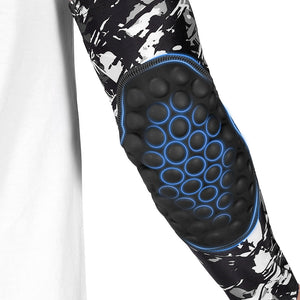
Elbow and Knee Sleeves
- Black
- Grey
- Blue
- Purple
- Pink
- Black
- Dusty Blue
- Blue
- Pink
- White
- Pink
- White
- Yellow
- Purple
- Black
- Black
- Grey
- Grey
- Black
- Blue
- Grey
- Blue
- Black
- Black
- Blue
What Are Knee and Elbow Sleeves Used For in Weightlifting?
In the dynamic world of strength training, bodybuilding, and powerlifting, optimizing your gym gear is just as critical as perfecting your workout routine. Among the most widely adopted accessories by both novice gym-goers and seasoned strength athletes are compression garments. If you spend time around the squat rack or the bench press, you have likely noticed lifters wearing specialized gear on their joints. These accessories are meticulously designed to offer support, compression, and protection during intense lifting sessions, ultimately enhancing athletic performance and reducing the risk of workout-related injuries.
The Science of Compression and Joint Warmth
At the core of how these accessories function is the principle of compression and thermal retention. When you lift heavy weights, your joints and surrounding connective tissues endure significant mechanical stress.
Improving Blood Flow and Recovery
The snug fit of a compression garment significantly improves localized blood circulation. Increased blood flow ensures that vital oxygen and nutrients are efficiently delivered to the working muscles and tendons. This enhanced circulation not only primes the body for heavy loads but also accelerates muscle recovery by flushing metabolic waste products, thereby reducing post-workout swelling and delayed-onset muscle soreness (DOMS).
Enhancing Body Awareness
Another hidden benefit of compression is improved kinesthesia—your central nervous system's ability to sense your body's position in your environment. The tight sensation around your joints provides constant physical feedback, allowing you to feel exactly where your limbs are during a complex movement. This heightened awareness leads to better biomechanics and a more controlled barbell path.
Why Wear Knee Sleeves for Lower Body Lifts?
Knee sleeves are typically manufactured from premium neoprene, a durable synthetic rubber that provides unparalleled warmth, elasticity, and stiffness to the knee joint.
Superior Support for Squats and Deadlifts
During heavy compound movements like barbell squats, leg presses, and deadlifts, your knees act as a primary hinge bearing massive loads. A neoprene sleeve acts as an external supportive layer that helps keep the patella and surrounding ligaments perfectly stable. This additional stability is crucial for lifters who want to prevent joint degradation or those who are safely pushing their physical limits to achieve new personal records.
Joint Lubrication and Injury Prevention
By trapping the body's natural heat, these sleeves keep the synovial fluid inside the knee joint warm and viscous. A well-lubricated joint glides smoothly, preventing the painful friction that often accompanies heavy lower-body training. This warming effect is particularly beneficial in colder gym environments or during long workout sessions where maintaining body heat is challenging.
The Benefits of Elbow Sleeves for Upper Body Strength
Just as the lower body requires reinforcement during grueling leg days, the upper body demands equal attention when pressing heavy loads.
Maximizing Your Bench Press and Overhead Press
Elbow sleeves serve a purpose comparable to their lower-body counterparts, providing vital compression and structural support to the elbow joint. This becomes especially important during upper-body exercises that heavily tax the arm muscles and elbows, such as flat bench presses, heavy overhead shoulder presses, and weighted dips.
Preventing Hyperextension
By providing a remarkably snug fit, elbow sleeves help stabilize the joint complex, actively reducing the chances of dangerous hyperextension or awkward, unbalanced movements that could easily lead to strains. The warmth produced by the dense material can also alleviate the dull, aching discomfort many lifters experience in their elbows after repetitive pressing movements, helping you execute your training program more comfortably and effectively.
The Psychological Edge: Building Confidence Under the Bar
Beyond the physiological and biomechanical advantages, we cannot ignore the immense psychological benefits these accessories offer to athletes. Strength training is as much a mental battle as it is a physical one.
Many lifters report feeling a significant surge in confidence when they are appropriately geared up. The tight, secure feeling around vulnerable joints enhances an athlete's perceived strength and stability. When you unrack a heavy barbell, knowing your joints are wrapped and supported allows you to focus entirely on moving the weight rather than worrying about potential failure. This psychological boost in confidence can directly lead to improved performance, empowering athletes to lift heavier weights, break through plateaus, or complete more repetitions with flawless execution.
When mapping out your gym equipment, investing in a high-quality pair of elbow and knee sleeves can be a fantastic way to secure both this mental and physical edge.
Proper Form Always Comes First
It is incredibly important to note, however, that while joint support accessories offer outstanding added reinforcement, they should never be viewed as a magical substitute for proper lifting technique, mobility work, or foundational strength training.
Proper form remains paramount in preventing injuries. If you are experiencing sharp pain due to poor movement patterns, slapping a piece of neoprene over the joint will not fix the root cause of the issue. Supportive gear should always be used as an adjunct to a well-rounded, intelligently programmed training regimen—not as a crutch to compensate for dysfunction or a lack of physical preparation.