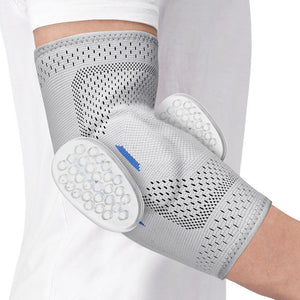
Elbow Sleeve for Bursitis
- Black
- Grey
- Blue
- Purple
- Pink
- Black
- Dusty Blue
- Blue
- Pink
- White
- Pink
- White
- Yellow
- Purple
- Black
- Black
- Grey
- Grey
- Black
- Blue
- Grey
- Blue
- Black
- Black
- Blue
Is an Elbow Sleeve Good for Tendonitis?
Yes, an elbow sleeve can be a highly effective tool for managing tendonitis. By providing consistent compression and targeted support, it helps minimize pain, stabilize the joint, and enhance blood circulation to promote the natural healing process.
The Role of Compression in Joint Recovery
Elbow tendonitis—frequently categorized as tennis elbow or golfer's elbow—stems from repetitive strain and overuse. This repetitive motion creates microscopic tears in the tendon fibers, resulting in persistent inflammation and localized discomfort. Integrating a supportive sleeve into a daily routine offers several key physiological advantages:
Enhanced Blood Circulation: Continuous compression promotes nutrient-rich blood flow to the damaged tendons, thereby accelerating tissue repair.
Swelling Reduction: Gentle, uniform pressure prevents fluid retention around the joint, keeping inflammation under control.
Structural Stabilization: The elastic fabric limits erratic or hyper-extended movements during physical tasks, safeguarding the vulnerable tendons from recurrent micro-trauma.
Addressing Multi-Condition Joint Discomfort
While tendonitis affects the connective tissues, the joint is also susceptible to bursitis—the painful inflammation of the fluid-filled sacs that cushion the bones. Managing these overlapping conditions requires versatile joint support. Using an elbow sleeve for bursitis works through similar therapeutic mechanisms by bracing the affected area and alleviating pressure that exacerbates fluid accumulation.
Distinguishing Joint Issues: Tendonitis vs. Bursitis
While both conditions manifest as elbow pain, tendonitis involves strained connective tissue that typically responds well to gradual strengthening. In contrast, bursitis involves a swollen bursa sac where the primary focus centers heavily on pressure relief and resting the joint.
An adaptable compression sleeve bridges the gap between these conditions, offering a non-invasive way to maintain joint alignment, whether the discomfort originates in the tendons or the bursa.
Selecting the Right Support Mechanism
Choosing between a flexible sleeve and a rigid bursitis elbow brace largely depends on the intensity of the physical activity involved and the current stage of discomfort.
Flexible Sleeves: These are ideal for continuous wear during daily activities, low-impact workouts, or repetitive office tasks. They offer excellent mobility while maintaining therapeutic warmth.
Rigid Braces: These are generally utilized when a higher degree of immobilization is necessary to protect the joint from external impacts or sudden, sharp twists.
Practical Considerations for Daily Usage
To maximize the benefits of a compression garment, incorporating it into a multi-faceted wellness routine is standard practice. Consider combining joint support with the following conservative strategies:
- Localized Ice Therapy: Applying cold packs after activity helps constrict blood vessels and numb acute pain.
- Activity Modification: Identifying and altering the specific repetitive motions that trigger flare-ups prevents long-term joint degradation.
- Gradual Reintegration: Returning to heavy lifting or sports should be done incrementally, using the support garment as a protective shield during the transitional phase.
Proactively wearing a supportive sleeve during high-stress activities helps safeguard the elbow joint from both sudden strains and chronic inflammatory conditions.