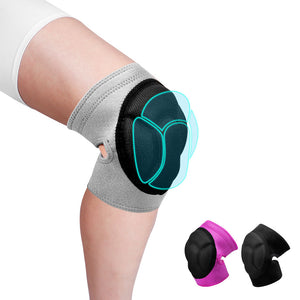
Elbow Splint for Tennis Elbow
- Black
- Grey
- Blue
- Purple
- Pink
- Black
- Dusty Blue
- Blue
- Pink
- White
- Pink
- White
- Yellow
- Purple
- Black
- Black
- Grey
- Grey
- Black
- Blue
- Grey
- Blue
- Black
- Black
- Blue
Should I Immobilize My Tennis Elbow?
Immobilization is a vital initial response to the sharp, acute pain from repetitive strain on the forearm tendons. When micro-tears in the tendon tissue inflame the lateral epicondyle (the bony bump on the outside of your elbow), continuous movement prevents these fibers from knitting back together. Restricting targeted motion gives the body the structural downtime it needs to kick-start the natural healing process.
How Strategic Support Facilitates Faster Recovery
Tendon Decompression: Continuous gripping, lifting, or twisting forces the forearm muscles to pull hard against their insertion point. A dedicated support isolates this specific junction, absorbing the shock before it reaches the injured tissue.
Nighttime Protection: Many individuals unconsciously bend or press on their arms while sleeping, which can aggravate morning stiffness. Stabilizing the joint overnight ensures uninterrupted tissue remodeling.
Controlled Range of Motion: The right support dampens extreme extension and flexion without forcing total paralysis of the arm, allowing light daily tasks to continue safely.
Selecting the Right Support: Splints vs. Traditional Braces
While standard counterforce bands apply localized compression to the forearm muscle belly, an elbow splint provides more comprehensive stabilization.
For severe flare-ups, an arm-splint elbow configuration ensures that forearm rotation—which triggers the sharpest pain during tasks like turning doorknobs or typing—is mechanically limited. This full-spectrum stabilization bridges the gap between active inflammation and active rehabilitation.
Integrating a Tennis Elbow Splint Into Daily Activities
Managing a tendon injury requires balancing structural rest with targeted movement. Implementing a rigid routine helps maximize the utility of your recovery gear.
The Acute Phase: Wear the tennis elbow splint during periods of high physical vulnerability, especially when handling tools, lifting groceries, or typing for extended intervals.
The Transition Phase: Once the constant throbbing subsides into a dull ache, systematically reduce wear time. Transition the gear strictly to high-stress tasks to allow the muscles to engage naturally during low-impact activities.
Preventing Muscle Atrophy: Avoid keeping the arm locked in a single position for consecutive days. Prolonged rigidity shortens muscle fibers and reduces blood flow, which ultimately delays full functional restoration.
Comprehensive Modalities Beyond Stabilization
Tendon recovery thrives on a multi-faceted approach. Combining physical stabilization with targeted environmental therapies accelerates tissue repair.
Cryotherapy applications: Applying ice packs for 15 minutes post-activity constricts blood vessels, thereby actively reducing localized swelling.
Gradual progressive loading: Introducing gentle isometric extensions once pain allows ensures the new collagen fibers align correctly, restoring the forearm's original tensile strength.