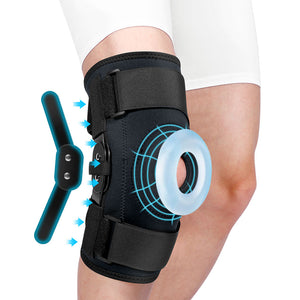
Elbow Straps for Bench Press
- Black
- Grey
- Blue
- Purple
- Pink
- Black
- Dusty Blue
- Blue
- Pink
- White
- Pink
- White
- Yellow
- Purple
- Black
- Black
- Grey
- Grey
- Black
- Blue
- Grey
- Blue
- Black
- Black
- Blue
Should You Use Straps for Bench Press?
The bench press is undeniably a staple exercise in strength training, powerlifting, and bodybuilding routines. Primarily targeting the chest, anterior deltoids, and triceps, this compound movement is the ultimate test of upper-body pushing power. As with any heavy resistance exercise, executing proper form and technique is crucial to maximizing muscle hypertrophy and minimizing the risk of a severe gym injury. However, as lifters chase new personal records, a common question inevitably arises on the gym floor: is it beneficial to use elbow support during heavy pressing movements?
Understanding Joint Strain During the Bench Press
When you lower a heavy barbell to your chest and explosively push it back up, your elbow joints act as the primary hinge. This places an immense load on the surrounding tendons, ligaments, and stabilizing muscles. Over time, repetitive heavy lifting without adequate recovery can lead to triceps tendinitis, joint inflammation, or general wear and tear. To combat this, many gym-goers turn to supportive fitness accessories to keep their joints healthy while continuing to chase progressive overload.
The Benefits of Using Supportive Gear
Joint Stabilization and Compression
Supportive accessories are specifically engineered to provide extra reinforcement to the tendons and muscles surrounding the elbow joint. They can be especially helpful for people who experience nagging discomfort or sharp pain during heavy lifts. By applying targeted compression to the affected area, elbow straps help stabilize the joint, increase localized blood flow, and significantly reduce structural strain during both the eccentric and concentric phases of the movement. This is especially useful for seasoned lifters with a documented history of elbow issues or those pushing their limits with maximum-effort lifts.
The Psychological Advantage
Beyond its functional and biomechanical benefits, an elbow brace with a strap can also offer a major psychological advantage. Heavy weightlifting is as much a mental game as it is a physical one. Knowing you have secure external support can boost your confidence, reduce the fear of your joint giving out under immense pressure, and let you focus entirely on your lifting mechanics and muscle contraction. This mental aspect should never be overlooked, as supreme confidence plays a significant role in successfully hitting a new one-rep max.
The Drawbacks: Why You Shouldn't Over-Rely on Gear
While some hardcore fitness enthusiasts swear by constant use of compressive gear for bench pressing, it's essential to consider the potential downsides. Relying entirely on external support for every warm-up and working set can severely limit development in your natural stabilizing muscles. If supportive gear takes over the brunt of the workload your connective tissues are supposed to handle, your joints may actually weaken over time.
This dependency can ultimately hinder your overall raw strength and athletic performance. It is crucial to find a delicate balance between using accessories for maximum-effort support and allowing your muscles to develop organic, functional strength naturally. Furthermore, relying on gear to mask pain caused by poor bench press form is a fast track to a more serious injury.
Experience Levels: Who Actually Needs Support?
Guidelines for Beginners
For novice lifters just starting their fitness journey, it is almost always best to focus on mastering proper technique, bar path, and breathing mechanics before adding extra gear to your routine. Learning to naturally stabilize your elbows, retract your scapula, and plant your shoulders during the bench press will lay a rock-solid foundation for future strength progress. If you are lifting relatively lighter weights and not encountering any joint pain, you simply may not need any external support at all. Allow your body to adapt to the resistance first.
Advice for Advanced Lifters
Conversely, if you are an advanced powerlifter or bodybuilder who has spent years pushing your limits under the bar and frequently experiences the natural wear and tear of heavy iron, supportive accessories become a logical addition. When you are lifting near your maximum capacity, localized compression can be the deciding factor between a successful, pain-free lift and weeks of frustrating tendon rehabilitation.