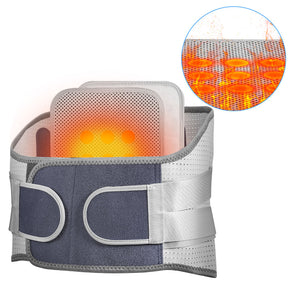
Knee Brace for Arthritis Plus Size
- Black
- Green
- Orange
- Pink
- Black
- Blue
- Green
- Red
- Orange
- Blue
- Dark Blue
- Black
- White
- Red
- Blue
- Black
- Blue
- Green
- Red
- Blue
- Black
- White
- Red
- Black
- Blue
- Red
- Orange
- Yellow
- Dark Blue
- Grey
- Black
- Blue
- Pink
- Grey
- Black
- White
- Light Black
- Black
- Light Grey
- Grey
- Magenta
- Black
- Green
- Black
- Grey
- Red
- Blue
What Size Knee Brace Should I Choose?
When dealing with joint discomfort, finding the right knee support is a vital step toward regaining your mobility and living a pain-free life. Whether you are actively managing daily wear and tear or looking for targeted relief from osteoarthritis, selecting the perfect fit is crucial. A poorly fitted support system can do more harm than good, making it imperative to understand how sizing directly impacts overall effectiveness, structural stabilization, and long-term pain management.
Step-by-Step Guide: How to Measure for the Correct Size
To choose the optimal size for your joint health needs, you cannot simply guess or rely on your standard clothing sizes. You will need to obtain a few highly precise measurements of your leg.
Essential Tools for Obtaining Your Measurements
Using a soft, flexible measuring tape, begin by measuring around the exact center of your kneecap (the patella). Next, take a measurement approximately six inches above the center of the knee to gauge your lower thigh circumference, and another measurement six inches below the kneecap to size your upper calf.
It is highly advisable to have a friend or family member help you take these measurements. Having a second pair of hands ensures the measuring tape remains level and provides the utmost accuracy. Once you have recorded these numbers, always consult the brand's specific sizing chart, as dimensions and fit profiles can vary drastically across styles, compression sleeves, and hinged stabilizers.
Finding Comfort: Solutions for Larger Legs
If you fall into a plus-size category, finding a supportive garment that fits comfortably without rolling down, pinching, or binding can sometimes feel like an uphill battle. Standard sizes frequently lack the anatomical contouring required for curvier shapes, leading to frustration and inadequate joint protection.
Fortunately, the orthopedic support industry has evolved, and there are now highly specialized options engineered specifically for individuals with larger leg measurements. By selecting a meticulously designed knee brace for arthritis plus size, you can finally achieve the perfect balance of comfort and structural integrity. These optimized designs often feature wider non-slip straps, substantially increased adjustability, and highly breathable, ergonomic materials that naturally cater to a fuller shape. This ensures that you receive superior joint stabilization without ever sacrificing your daily comfort.
The Consequences of an Incorrect Fit
Understanding the physical consequences of a poor fit can save you from unnecessary pain and swelling.
Recognizing When Your Support is Too Tight or Too Loose
A joint support that is too tight can dangerously restrict healthy blood circulation, creating deep skin indentations, numbness, and heightened discomfort throughout the day. Conversely, a sleeve that is too loose will continuously slide down your leg during physical activity. A loose fit fails to provide sufficient structural support, leaving your vulnerable ligaments and tendons fully exposed to further strain and injury.
The ultimate goal is to find a sweet spot: the garment should fit snugly and securely, but not uncomfortably. To achieve this, look for versatile features such as highly adjustable hook-and-loop straps or fully wraparound designs. These robust features allow you to seamlessly customize the fit as your activity levels fluctuate, ensuring that the stabilizer stays firmly in place during walking, running, or stretching.
Additional Considerations for Optimal Joint Relief
In addition to physical sizing and dimensions, you must carefully consider the specific type of support your lifestyle demands.
Compression, Thermal Heat, and Stabilization Levels
Different physical ailments require entirely different levels of intervention. Some soft sleeves offer mild, everyday support intended for general wear and minor aches. In contrast, heavy-duty hinged stabilizers provide a much higher level of multi-directional stabilization perfectly suited for active lifestyles, sports recovery, or severe ligament instability.
Furthermore, if you are actively battling the persistent inflammation of arthritis, you might significantly benefit from advanced materials that contain targeted thermal heat retention or graduated compression features. These therapeutic elements help increase localized blood flow, reduce morning joint stiffness, and effectively alleviate the chronic, throbbing pain frequently associated with degenerative joint conditions. By taking the time to match your precise measurements with your unique mobility goals, you can secure the ultimate support for your knees.