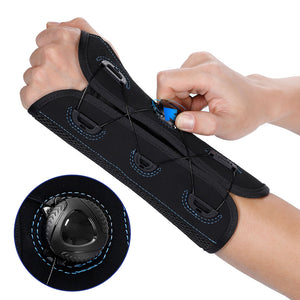
Knee Immobilizer
- Black
- Green
- Orange
- Pink
- Black
- Blue
- Green
- Red
- Orange
- Blue
- Dark Blue
- Black
- White
- Red
- Blue
- Black
- Blue
- Green
- Red
- Dark Blue
- Grey
- Black
- Blue
- Pink
- Grey
- Black
- White
- Light Black
- Black
- Light Grey
- Grey
- Magenta
- Black
Is It Okay to Walk with a Knee Immobilizer?
When you are recovering from a lower limb injury, surgery, or severe joint strain, regaining your mobility is often a top priority. A common question that arises during the rehabilitation process is whether it is safe to bear weight and move around. The answer depends on several crucial factors, including the specific nature of your injury, the design of the support you are wearing, and the individualized recommendations provided by your healthcare professional.
Assessing Comfort and Your Ability to Bear Weight
The primary goal of orthopedic support is to stabilize the joint during healing. Many supportive devices are specifically designed to allow for controlled, limited movement, which can facilitate gentle walking as part of a structured rehabilitation process. Moving around safely can promote blood circulation and prevent uncomfortable muscle stiffness.
Yet, not all injuries are ready for movement right away. Severe ligament tears, complex fractures, or immediate post-surgical periods may require you to avoid putting any weight on the affected leg altogether. In these strict non-weight-bearing scenarios, attempting to walk normally could disrupt the healing tissues. Instead, relying on a mobility aid such as a crutch, cane, or walker alongside your leg support may be the most appropriate and safest approach.
Understanding the Different Types of Knee Supports
The structural design of the gear you are wearing will dictate how much movement is safe. Always consult with your healthcare provider or physical therapist to determine the appropriate type of joint support for your specific condition and stage of recovery.
Full-Length Rigid Supports
Some options are entirely rigid, designed to keep the leg completely straight and provide maximum support. These are typically prescribed for significant injuries, acute trauma, or initial post-surgical recovery. Walking with a straight, unbending leg alters your natural gait, meaning you will need to take slow, deliberate steps—often with the assistance of crutches—to maintain your balance and protect your hips and lower back from compensatory strain.
Hinged and Flexible Options
Other designs may be more flexible or feature adjustable hinges, allowing for a gradual, controlled range of motion. These dynamic options enable you to start partial weight-bearing activities much sooner. By allowing the joint to bend slightly, they make the mechanics of walking feel more natural while still protecting the vulnerable ligaments and tendons from overextension.
Listening to Your Body During Rehabilitation
While pushing yourself during physical therapy is normal, pushing through sharp pain while walking is not. Your body provides immediate feedback, and it is vital to pay close attention to it.
If you experience increased pain, a sudden spike in swelling, throbbing, or any unusual sensations, such as numbness or tingling, while walking, it may indicate that you are overexerting the joint. These symptoms are clear warning signs that you should limit your activity, elevate your leg, apply ice, or seek further advice from a healthcare professional. Never ignore sudden discomfort, as it could indicate that the joint is not yet ready for the pressure being applied.
Tips for Safe Mobility and Long-Term Healing
Rest and progressive rehabilitation are critical components of recovering from any joint injury. To ensure you are walking safely, always wear supportive, flat-soled footwear that provides good traction. Avoid uneven terrain, slippery floors, and steep stairs whenever possible during the early stages of your recovery.
Consistent use of a knee immobilizer, worn exactly as directed by your specialist, is paramount. When used in conjunction with prescribed physical therapy exercises, guided stretching, and adequate rest, proper joint stabilization can significantly enhance the healing process, restore full muscular function, and help prevent future recurring injuries.