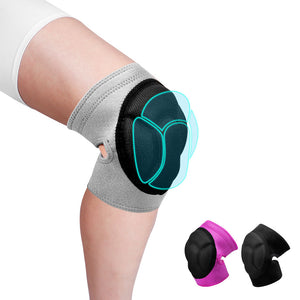
Meniscus Tear Brace
- Black
- Green
- Orange
- Pink
- Black
- Blue
- Green
- Red
- Orange
- Blue
- Dark Blue
- Black
- White
- Red
- Blue
- Black
- Blue
- Red
- Orange
- Yellow
- Black
- Blue
- Green
- Red
- Blue
- Black
- White
- Red
- Dark Blue
- Grey
- Black
- Blue
- Pink
- Grey
- Black
- White
- Light Black
- Black
- Light Grey
- Grey
- Magenta
- Black
- Green
- Black
- Grey
- Red
- Blue
Would a Knee Brace Help a Meniscus Tear?
A meniscus tear is one of the most common knee injuries among active individuals, athletes, and older adults alike. This frustrating injury occurs when the C-shaped cartilage in the knee joint is damaged or torn and can disrupt your entire routine. It frequently results from high-impact sports activities, heavy lifting, deep squatting, or even simple, everyday movements that involve a sudden twisting of the knee while bearing weight.
Common symptoms often include a noticeable popping sensation at the moment of injury, followed by persistent pain, swelling, stiffness, and a distressing feeling of instability or "giving way" in the joint. As individuals seek effective pain relief and a reliable path to recovery, a common question arises: can a knee support system genuinely help heal and protect a damaged meniscus?
Understanding the Role of Knee Support in Meniscus Recovery
Using a supportive garment or rigid structure around the knee can be highly beneficial in multiple ways. While it is important to note that external supports do not magically sew torn cartilage back together, they play a critical role in creating an optimal environment for healing, managing symptoms, and preventing further joint degradation.
Joint Stabilization and Injury Prevention
First and foremost, wearing a brace helps stabilize the intricate structures of the knee joint. It provides necessary external support that may drastically reduce the risk of further injury. By limiting harmful lateral movements and preventing the knee from twisting in ways that exacerbate pain, a supportive sleeve or hinged frame acts as a physical safeguard. This stabilization is especially significant for individuals who experience profound weakness, buckling, or instability due to compromised cartilage.
Effective Pain Management and Swelling Reduction
Dealing with the inflammatory response is a massive part of recovering from joint damage. A well-fitted knee brace can help manage daily pain effectively. Many supportive sleeves are designed to provide targeted compression, which helps reduce localized swelling and improve blood circulation in the affected area. By maintaining optimal blood flow and warmth, compression can facilitate the body's natural healing processes, potentially speeding your recovery and reducing morning joint stiffness.
Improving Biomechanics and Confidence
In addition to pain management, wearing a knee support can actively promote better biomechanics during daily activities, walking, or rehabilitation exercises. Correcting knee movement and tracking can minimize abnormal stress on the injured meniscus, allowing for a safer, smoother, and more comfortable range of motion. This benefit is absolutely crucial for athletes and active adults eager to return to their favorite physical pursuits. It allows them to engage in physical therapy and train more effectively while significantly reducing the psychological fear and physical risk of re-injuring themselves.
Selecting the Right Support for Your Needs
Choosing the correct type of support is vital for achieving the best possible outcome. There are various designs available on the market tailored to different levels of severity and activity. For instance, hinged frames provide maximum mechanical stability for severe tears and post-operative care, while flexible neoprene or knit sleeves offer soothing compression for milder injuries and general joint warmth.
When you are ready to take the next step in your recovery, choosing a reliable meniscus tear brace should be based on your specific symptoms, daily activity level, and overall comfort needs. A well-chosen brace will fit seamlessly into your lifestyle, offering support under clothing or during intense physical therapy sessions.
Embracing a Comprehensive Treatment Plan
It is essential to understand that a knee brace is not a standalone cure for a meniscus tear. While it plays an incredibly valuable and supportive role in your healing journey, it must be used alongside a comprehensive, holistic treatment plan.
For the best long-term results, your recovery strategy should include:
- Physical Therapy: Targeted exercises to strengthen the quadriceps, hamstrings, and calves, which act as dynamic shock absorbers for the knee.
- The R.I.C.E. Method: Rest, Ice, Compression, and Elevation to combat acute inflammatory flare-ups.
- Activity Modification: Temporarily avoiding high-impact activities like running or jumping until the joint has sufficiently healed.
Consulting with an orthopedic healthcare professional or physical therapist is essential. They can accurately diagnose the exact location and severity of the tear (such as medial or lateral) and tailor a treatment approach to your individual needs. In certain severe cases where conservative management is insufficient, surgical intervention may be required, making postoperative bracing just as important.