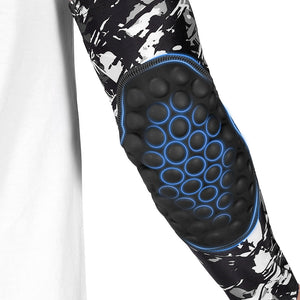
Patella Brace
- Black
- Green
- Orange
- Pink
- Black
- Blue
- Green
- Red
- Orange
- Blue
- Dark Blue
- Black
- White
- Red
- Blue
- Black
- Blue
- Green
- Red
- Dark Blue
- Grey
- Black
- Blue
- Pink
- Grey
- Black
- White
- Light Black
- Black
- Light Grey
- Grey
- Magenta
- Black
Will a Knee Brace Help Patella Pain?
Patellar pain, often referred to as anterior knee pain or runner's knee, is a common issue affecting millions of people. Whether you are an avid athlete, a weekend warrior engaged in high-impact sports, or simply someone who experiences discomfort during daily errands, chronic knee aching can severely limit your quality of life. Fortunately, one of the most highly recommended and effective supportive measures for alleviating this localized discomfort is utilizing a patella brace.
Understanding Patellofemoral Pain and Kneecap Discomfort
Before diving into solutions, it helps to understand why the pain occurs. The knee joint is incredibly complex, bearing the brunt of your body weight. When the kneecap (patella) does not glide smoothly through its designated groove at the end of the thigh bone (femur), friction and inflammation occur. This poor tracking is often the root cause of the sharp, aching sensations felt at the front of the knee.
How Does a Patella Brace Work?
A patella brace is specifically constructed to provide localized stability, structural support, and gentle compression directly to the knee joint. It typically features a specialized padded buttress, a targeted patellar strap, or an open-patella ring that either surrounds or sits directly beneath the kneecap.
The Mechanics of Knee Support and Realignment
This targeted design is crucial for individuals dealing with patellar tracking issues. Often, due to repetitive stress, muscle imbalances, improper gait mechanics, or a sudden injury, the kneecap can become misaligned. By gently guiding and maintaining the patella in its correct anatomical position, the brace can help reduce sharp, grinding pain and prevent further aggravation of underlying conditions such as chondromalacia of the patella or patellar tendonitis (commonly known as jumper's knee).
Redistributing Joint Pressure During High-Impact Activities
The primary biomechanical function of this localized support is to restrict abnormal, unnecessary movements that typically exacerbate anterior knee pain. By dynamically redistributing shock and impact forces across the entire knee joint, a well-designed support system alleviates immense pressure on sensitive, inflamed cartilage and surrounding ligaments. This essential shock absorption allows for a significantly more comfortable, fluid range of motion.
Key Benefits of Wearing Support for Anterior Knee Pain
Physical Relief for Running, Walking, and Climbing Stairs
If you regularly experience a sharp ache during specific movements, you are likely suffering from patellofemoral pain syndrome. Wearing structural support is exceptionally beneficial for individuals who feel severe discomfort during common weight-bearing activities. This includes climbing up and down stairs, running on hard pavement, performing squats, or even experiencing the deep, aching stiffness that comes from prolonged sitting with bent knees (often referred to clinically as the "theater sign").
Psychological Confidence and Injury Prevention
Beyond the clear physical advantages, there are profound psychological benefits to bracing. Many active individuals report experiencing a much greater sense of overall stability and confidence in their physical movements when using a support system. This psychological boost is absolutely vital; the persistent fear of sharp pain or re-injury often leads to movement avoidance behaviors. Over time, avoiding physical activity can lead to muscle atrophy, a sedentary lifestyle, and even more severe joint deterioration. By restoring your confidence, a high-quality brace empowers you to stay active, maintain essential joint health, and return to the gym or the trail with confidence.
How to Choose the Right Knee Support for You
You should know that not all knee support options are created equal, and finding the right fit is crucial for optimal healing. When selecting your knee support, several important factors must be carefully evaluated:
- Fit and Sizing: A support that is too loose will simply slide down the leg and fail to provide the necessary tracking assistance. Conversely, one that is excessively tight can painfully restrict your natural range of motion and limit healthy blood circulation.
- Comfort and Breathability: Since you will likely wear this during sweaty physical activities or long work days, look for moisture-wicking, breathable materials that prevent excessive sweating and skin irritation behind the knee crease.
- Adjustability: Adjustable straps allow you to customize the level of compression based on your daily swelling and the intensity of your activity.