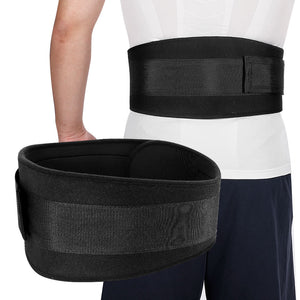
Tennis Elbow Support Brace
- Black
- Grey
- Blue
- Purple
- Pink
- Black
- Dusty Blue
- Blue
- Pink
- White
- Pink
- White
- Yellow
- Purple
- Black
- Black
- Grey
- Grey
- Black
- Blue
- Grey
- Blue
- Black
- Black
- Blue
What Worsens Tennis Elbow?
Tennis elbow, clinically known as lateral epicondylitis, is a painful condition characterized by inflammation and micro-tearing of the tendons that join the forearm muscles to the outside of the elbow. If you are struggling with persistent outer elbow pain, you might be wondering why your symptoms seem to flare up unexpectedly.
Continuing Repetitive Motions and Strain
One of the most common culprits behind aggravating tennis elbow symptoms is simply continuing the very activities that triggered the condition in the first place. Repetitive motions place constant, unrelenting strain on the extensor tendons of the forearm.
It is not just athletes and racquet sports enthusiasts who suffer from this type of forearm tendonitis. Many people experience severe flare-ups from daily hobbies and household chores. Activities such as painting walls, intensive gardening, DIY home repairs, or even repeatedly gripping heavy tools can severely irritate the affected tendons. When you repeatedly engage these forearm muscles without allowing for adequate recovery time, the microscopic tears in the tendon worsen.
To alleviate forearm pain, it is crucial to identify and modify these trigger movements. Avoiding excessive repetition, taking frequent micro-breaks during strenuous tasks, and consciously loosening your grip can significantly reduce elbow strain.
Poor Workspace Ergonomics
Many individuals are surprised to learn that sitting at a desk can be just as detrimental to joint health as heavy lifting. Poor ergonomics play a massive role in worsening tennis elbow, particularly for those who spend long hours typing on a keyboard or clicking a mouse.
Improper posture while using a computer or performing fine manual tasks forces your forearm muscles to work overtime. If your desk is too high, or if you reach too far for your mouse, it creates unnecessary tension that travels straight up to your elbow joint. Designing an ergonomically sound workspace is vital for reducing stress on these vulnerable tendons.
Simple, highly effective adjustments to improve your desk ergonomics include:
- Lowering or raising your office chair height so your feet rest comfortably flat on the floor.
- Utilize supportive wrist rests to keep your hands neutral.
- Keeping your elbows tucked closely to the sides of your body while typing minimizes structural stress.
Skipping Crucial Warm-Up Exercises
Diving straight into a demanding physical task, a workout, or a round of golf without a proper warm-up is a guaranteed way to exacerbate tennis elbow. Cold, stiff muscles are far more susceptible to injury, and asking them to perform under pressure drastically increases the likelihood of tendon strain.
A dynamic, comprehensive warm-up increases vital blood circulation to the forearm tissues, thoroughly preparing them for the heavy demands of your chosen sport or strenuous manual labor. Incorporating targeted stretching and strengthening exercises that specifically focus on the forearm, wrist, and hand can drastically bolster muscle resilience. By properly conditioning these areas beforehand, you effectively lower the risk of further irritating the inflamed outer elbow.
Ignoring Early Warning Signs and Overexertion
A persistent "push through the pain" mentality is incredibly damaging when dealing with lateral epicondylitis. Ignoring early symptoms and continuing to overexert the arm will rapidly exacerbate tennis elbow.
When you first start experiencing that familiar dull ache, stiffness, or sharp burning sensation on the outside of your elbow, your body is signaling a desperate need for rest. Continuing to lift heavy objects or play sports through the discomfort only deepens the tissue damage, ultimately leading to a much longer recovery timeline.
Instead of overexerting yourself, focus on active rest and immediate symptom management. If discomfort arises, applying ice packs to the inflamed area can temporarily reduce swelling. Additionally, taking non-steroidal anti-inflammatory drugs (NSAIDs) as recommended by a healthcare professional, and exploring physical therapy for tailored rehabilitation exercises are crucial steps for safe, long-term healing.
Failing to Utilize Proper Support Gear
Managing lateral epicondylitis requires a proactive approach to stabilize the joint and reduce daily muscle tension. One highly practical and effective method for managing daily discomfort is incorporating a tennis elbow support brace into your routine.
This specialized accessory is specifically engineered to reduce direct strain on the forearm muscles by providing targeted compression to the affected area. By effectively redistributing the mechanical stress away from the injured elbow joint, supportive compression can help to immediately alleviate pain and promote an optimal healing environment. When selecting this type of gear, it is vital to choose an option that fits securely yet comfortably, allowing for a natural range of mobility while still delivering the robust support your recovering tendons require.