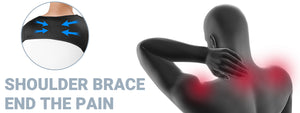
How do I choose the right shoulder brace?
With Memorial Day weekend and the vibrant summer sports season just around the corner, many of us are gearing up for outdoor barbecues, tennis matches, and long days on the water. But if a nagging shoulder ache or a lingering sense of instability is making you hesitate before grabbing that volleyball or casting a fishing line, you aren't alone.
When you start looking for a solution, you're immediately hit with a dizzying array of wraps, slings, and sleeves. Choosing a shoulder support can feel overwhelming when you don't know the terminology.
This guide is your practical, step-by-step framework for making sense of it all. We will walk through exactly how to match a brace to your specific needs, so you can confidently evaluate your options and get back to your active lifestyle.
Step 1: Define Your "Shoulder Story" (The Problem)
Before looking at any products, you need to understand your primary problem. Every effective decision starts by diagnosing what you actually need the brace to do. Ask yourself which of these three categories best describes your situation:
- Pain Relief: Are you dealing with a repetitive strain, overuse, or localized inflammation? For example, if you need a shoulder brace for bursitis, your primary goal is likely soothing compression and mild movement restriction to let inflamed tissues rest.
- Instability Management: Does your shoulder feel "loose" or prone to slipping out of place? If you have a history of dislocations, you need a brace that physically restricts the specific angles where your shoulder is most vulnerable.
- Proactive Prevention: Are you returning to a sport after a long break and want to prevent a minor tweak from becoming a major issue? In this case, you need proprioceptive feedback—a physical reminder to your brain to keep your muscles engaged and your form correct.

Step 2: Assess Your Activity Level and Sport-Specific Demands
A brace that works perfectly for a desk worker recovering from a mild strain will not survive a competitive basketball game. You must match the gear to your environment.
Think about your range-of-motion requirements. A swimmer or a tennis player needs maximum upward mobility, meaning they require a low-profile sleeve that supports without binding. Conversely, someone doing heavy, bilateral lifting might benefit from a double shoulder compression sleeve that provides symmetrical support and warmth across the entire upper back and chest.
Step 3: Decide on the Necessary Support Level
Shoulder supports generally fall into two broad categories: compression and rigid support. Understanding the difference is the key to narrowing down your choices.
Mild to Moderate Support (Compression)
Compression sleeves and wraps fit snugly against the skin. They work by retaining therapeutic body heat (which increases blood flow to aid recovery) and providing mild structural support. They are excellent for daily aches, minor tendonitis, and general prevention.
Maximum Support (Rigid/Stabilizers)
Stabilizers feature adjustable straps, reinforced panels, and sometimes even rigid hinges. They are designed to physically stop your arm from moving into dangerous positions. These are ideal for post-dislocation recovery or severe instability.
Note on Posture: Many shoulder issues stem from poor upper body mechanics. While evaluating your options, you might wonder, do back straighteners work to alleviate shoulder strain? The answer is yes—posture correctors pull the shoulders back, aligning the joint properly, which can be an excellent complementary approach to wearing a dedicated shoulder brace.
Step 4: Evaluate Fit, Breathability, and Material
Once you know the type of support you need, it's time to look at the finer details.
- Material and Breathability: If you plan to wear your brace during summer activities, moisture-wicking materials like perforated neoprene or specialized knit blends are non-negotiable. You want to retain joint heat without causing excessive sweating or skin irritation.
- Sizing and Fit: A poorly fitted brace is worse than no brace at all. Always use a soft measuring tape and follow the manufacturer's exact sizing guide—usually measuring around the bicep and across the chest. If you are unsure how tight should a shoulder brace be, a good rule of thumb is that it should feel like a firm, reassuring hug. It should never cause tingling in your fingers, numbness, or a throbbing sensation.
- Ease of Application: Can you put it on by yourself using your non-injured arm? Look for designs with accessible front-facing closures.
When trying to find the best brace for shoulder pain, remembering these material and sizing factors will save you from making a frustrating purchase.
Step 5: The "Try-Before-You-Commit" Testing Framework
When you finally have a brace in your hands, don't just put it on and immediately head to the gym. Use this three-part testing framework to ensure it’s the right match:
- The Static Fit Test: Put the brace on and stand still. Are there any sharp pinch points? Does the material bunch up uncomfortably in your armpit? The pressure should feel even and secure.
- The Dynamic Fit Test: Slowly mimic the movements of your daily life or sport. Mimic a golf swing, reach up as if grabbing a cup from a high shelf, or lift a light object. Does the brace slip down your bicep? Does it offer support exactly where you feel the most weakness?
- The Duration Test: Wear the brace around the house for 20 to 30 minutes. Heat and friction can change how a brace feels over time. If it becomes unbearably itchy or restrictive during a short trial, it’s not the right fit for an all-day event.
FAQ: Common Beginner Questions
When should I consult a clinician?
While self-selecting a brace is perfectly fine for minor aches and preventative care, you should immediately consult a physical therapist or doctor if you experience:
- Sudden, severe pain with a "popping" sensation
- Visible deformity or swelling in the joint
- Numbness, tingling, or a cold sensation radiating down your arm
- Pain that wakes you up from a deep sleepThese are red flags that require a professional diagnosis and potentially a prescription-grade brace.
Can I sleep in my shoulder brace?
Unless explicitly instructed by a healthcare professional, it is generally not recommended to sleep in a tight compression or rigid brace. Your body needs unimpeded circulation to heal overnight. If you struggle with night pain, a specialized sleep sling or strategically placed pillows are usually a better option.
Will wearing a brace weaken my muscles?
This is a common myth. Wearing a brace correctly during activities that aggravate your pain allows you to stay active without causing further damage. However, relying on a brace 24/7 without doing rehabilitative strengthening exercises can lead to muscle dependency. Think of your brace as a tool to facilitate safe movement, not a permanent crutch.
Your Next Steps
Choosing the right shoulder brace doesn't have to be a guessing game. By clearly defining your "shoulder story," being realistic about your activity level, and rigorously testing for fit and function, you are setting yourself up for a safe, active season.
Now that you understand the foundational criteria for making a confident choice, you are fully equipped to look at product comparisons and select the exact gear that will keep you moving pain-free.