Fivali-Kaufratgeber: Die beste Counterforce-Orthese gegen Ellenbogenschmerzen beim Golfer finden
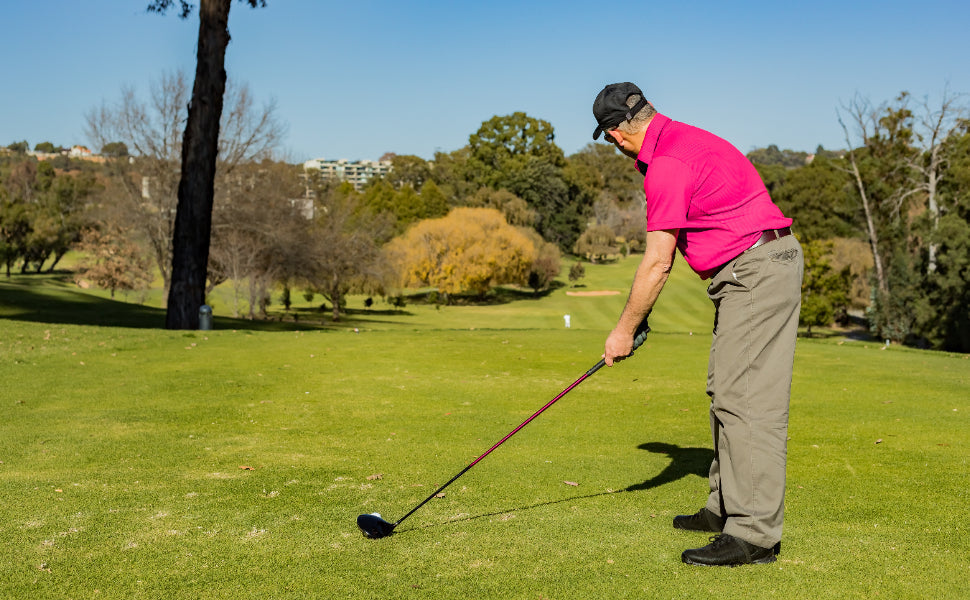
Dieser scharfe, anhaltende Schmerz an der Innenseite Ihres Ellenbogens – er ist mehr als nur ein Ärgernis. Es handelt sich um einen Golferellenbogen oder eine mediale Epicondylitis, die Sie von den Aktivitäten abhält, die Sie lieben. Sie haben wahrscheinlich Dutzende von Zahnspangen online gesehen, von denen viele sowohl für den Tennis- als auch für den Golferellenbogen vermarktet werden, und fragen sich: Welche davon eignet sich tatsächlich für meine spezifischen Schmerzen?
Die Wahrheit ist, dass die Zahnspangen zwar ähnlich aussehen, eine wirksame Entlastung des Golferellenbogens jedoch von einem entscheidenden Faktor abhängt: der präzisen Druckausübung auf den richtigen Sehnensatz. Allgemeine Ratschläge reichen nicht aus. Dieser Leitfaden bietet einen klaren Bewertungsrahmen, der Ihnen bei der Auswahl einer Zahnspange hilft, die gezielte Linderung bietet, sodass Sie nicht mehr raten und mit der Heilung beginnen können.
Warum der Golferellenbogen einen spezifischen Ansatz erfordert
Der Golferellenbogen beeinflusst die Beugesehnen an der Innenseite Ihres Ellenbogens, die dafür verantwortlich sind, Ihr Handgelenk zu greifen und nach unten zu beugen. Dies ist das anatomische Gegenteil des Tennisarms, der die äußeren Strecksehnen betrifft.
Während viele Zahnspangen bei beiden Erkrankungen wirken können, liegt der Unterschied zwischen Linderung und verschwendeter Anstrengung darin, wo und wie Druck ausgeübt wird. Eine generische Orthese mit einem schlecht gestalteten, festen Polster kann oft keinen Druck auf den präzisen Muskelbauch der Beugesehnen ausüben, was sie bei medialer Epicondylitis wirkungslos macht. Sie benötigen eine Lösung, die für eine bestimmte Anwendung entwickelt wurde.
Die Wissenschaft der Gegenkraft: Wie eine Zahnspange Schmerzen lindert
Eine Gegenkraftklammer soll etwas Cleveres bewirken. Durch die Ausübung eines festen, gezielten Drucks auf die Unterarmmuskulatur direkt unterhalb des Ellenbogens wird effektiv ein neuer, vorübergehender Ursprungspunkt für den Muskel geschaffen. Dadurch wird die Kraft abgefangen, die die Sehne hinauf zum entzündeten Epicondylus wandert.
Untersuchungen bestätigen, dass der Mechanismus funktioniert. Studien zeigen, dass eine richtig angelegte Gegenkraftorthese die auf die Sehnen ausgeübte Kraft um 13–15 % reduzieren kann. Diese kleine Änderung verringert die Belastung erheblich und ermöglicht dem entzündeten Bereich, sich auszuruhen und zu erholen, auch während Sie aktiv bleiben.
Das Fivali Evaluation Framework: 3 Merkmale einer effektiven Golfer-Ellenbogenstütze
Gehen Sie bei der Bewertung Ihrer Optionen über grundlegende Beschreibungen hinaus und konzentrieren Sie sich auf die technischen Funktionen, die echte Ergebnisse liefern. Hier erfahren Sie, worauf Sie achten sollten.
1. Präziser Druck mit einem anpassbaren Pad
Die meisten Zahnspangen werden mit einem Standardschaum- oder Luftpolsterpolster geliefert. Das Problem? Es handelt sich oft um einen einheitlichen Ansatz. Für die Ellenbogenentlastung eines echten Golfspielers benötigen Sie ein System, das sich an Ihre einzigartige Anatomie anpasst.
Das Design von Fivali beinhaltet ein abnehmbares Silikonpolster. Dies ist nicht nur eine Komfortfunktion; Es ist ein technischer Vorteil. Das Silikonmaterial liegt sanft auf der Haut und verhindert so ein Verrutschen, während die Entfernbarkeit es Ihnen ermöglicht, es punktgenau direkt über dem Bauch der Beugemuskeln zu platzieren. Dadurch wird sichergestellt, dass der Gegenkraftdruck genau dort ausgeübt wird, wo er benötigt wird, um die Sehne zu entlasten, ein Maß an Anpassung, mit dem herkömmliche Zahnspangen einfach nicht mithalten können.
2. Einstellbare Flexibilität für eine sichere, dynamische Passform
Eine häufige Beschwerde von Benutzern ist, dass Zahnspangen während der Aktivität entweder herunterrutschen oder so fest angezogen werden müssen, dass sie die Blutzirkulation unterbrechen. Ein wirksamer Ellenbogenschmerzgurt muss sicher bleiben, ohne einzuschränken.
Suchen Sie nach einem Fixierungssystem mit zwei Riemen. Auf diese Weise können Sie mit einem Riemen ein Grundniveau der Kompression einstellen und dann mit einem zweiten die Passform verfeinern, um sicherzustellen, dass die Orthese beim Golfschwung, beim Training oder bei täglichen Aufgaben an Ort und Stelle bleibt.Die Träger von Fivali sind auf diese anpassbare Flexibilität ausgelegt und bieten einen sicheren Sitz, der sich Ihren Bewegungen anpasst und eine gleichmäßige Unterstützung bietet, ohne die Durchblutung zu beeinträchtigen.

3. Ganztägiger Komfort durch fortschrittliche Materialien
Wenn eine Zahnspange sperrig oder kratzig ist oder Schweiß einfängt, werden Sie sie nicht tragen. Die moderne Materialwissenschaft ist ein wesentliches Unterscheidungsmerkmal. Eine wirksame Ellenbogenorthese gegen Sehnenentzündungen sollte aus leichten, feuchtigkeitsableitenden Stoffen bestehen, die Ihre Haut trocken und angenehm halten und ein längeres Tragen während der Aktivität ermöglichen. Dieser Fokus auf langfristigen Komfort ist für die Compliance und letztendlich für Ihre Genesung von entscheidender Bedeutung.
Die Passform meistern: Eine Schritt-für-Schritt-Anleitung zur Platzierung
Der Besitz der richtigen Zahnspange ist nur die halbe Miete. Die richtige Platzierung ist alles. Die korrekte Platzierung der Ellenbogenorthese für Golfspieler ist entscheidend für die Ergebnisse.
- Lokalisieren Sie das Ziel: Setzen Sie sich mit dem Arm auf einen Tisch, die Handfläche zeigt nach oben. Fühlen Sie nach der knöchernen Beule an der Innenseite Ihres Ellenbogens (dem medialen Epicondylus). Der Hauptmuskelbauch Ihrer Beugesehnen liegt etwa 1–2 Zoll (oder zwei Fingerbreit) unterhalb dieses Punktes.
- Positionieren Sie das Pad: Platzieren Sie das Fivali-Silikonpad direkt über diesem Muskelbauch. Es sollte sich wie der dickste und hervorstechendste Teil Ihres inneren Unterarmmuskels anfühlen.
- Befestigen Sie die Gurte: Befestigen Sie die Orthese so, dass sie sich eng und komprimierend anfühlt, aber nicht schmerzhaft fest. Sie sollten einen Finger bequem unter den Riemen schieben können.
- Führen Sie den abschließenden Passformtest durch: Machen Sie bei angelegter Orthese eine Faust und beugen Sie Ihr Handgelenk sanft nach oben gegen den leichten Widerstand Ihrer anderen Hand. Wenn Sie Schmerzen im Ellenbogen verspüren, ist die Orthese möglicherweise zu locker oder falsch angebracht. Wenn Sie ein Kribbeln verspüren oder sich die Farbe Ihrer Hand ändert, ist es zu eng. Die richtige Passform liegt vor, wenn Sie spüren, wie der Muskel unter dem Polster angreift, ohne dass es zu stechenden Schmerzen am Epikondylus kommt.
Ihre Genesung: Erwartungen und Best Practices
Eine Gegenkraftorthese ist ein leistungsstarkes Werkzeug, am effektivsten ist sie jedoch als Teil einer umfassenden Wiederherstellungsstrategie. Medizinische Experten empfehlen oft, die Orthese bei auslösenden Aktivitäten etwa sechs Wochen lang konsequent zu tragen, damit die Entzündung abklingen kann.
Denken Sie daran, die Orthese während des Schlafens zu entfernen, um eine gesunde Durchblutung zu gewährleisten. Um die besten langfristigen Ergebnisse zu erzielen, kombinieren Sie die Verwendung einer Zahnspange mit angemessener Ruhe, Eiscreme nach der Aktivität und sanften Kräftigungs- und Dehnübungen, wie von einem Arzt empfohlen.
Häufig gestellte Fragen
F: Kann ich dieselbe Orthese sowohl für den Tennis- als auch für den Golferellenbogen verwenden?
A: Ja, eine hochwertige, verstellbare Zahnspange wie die von Fivali ist für beides konzipiert. Der Schlüssel liegt in der Platzierung. Beim Golferellenbogen positionieren Sie das Druckpolster an der Innenseite des Unterarms (Beugemuskeln). Beim Tennisellenbogen platzieren Sie ihn am äußeren Unterarm (Streckmuskulatur). Die anpassbare Beschaffenheit der Fivali Tennisellenbogenbandage macht sie für beide Erkrankungen außergewöhnlich vielseitig.
F: Woher weiß ich, ob die Zahnspange funktioniert?
A: Sie sollten eine deutliche Verringerung der Schmerzen bei Aktivitäten bemerken, die normalerweise zu einem Aufflammen führen, wie z. B. dem Greifen eines Schlägers, dem Heben eines Gegenstands oder dem Tippen. Der Final Fit Test ist Ihr bester Anfangsindikator, aber der wahre Test ist die Reduzierung der Schmerzen im realen Einsatz.
F: Was macht das Silikonpolster von Fivali einem generischen Schaumstoffpolster überlegen?
A: Drei Dinge: gezielter Druck, Griffigkeit und Haltbarkeit. Das abnehmbare Design ermöglicht eine exakte Platzierung.Das Silikonmaterial schmiegt sich sanft an die Haut an und verhindert so ein Verrutschen bei Bewegung. Schließlich ist es widerstandsfähiger und leichter zu reinigen als offenzelliger Schaumstoff und sorgt so für eine lang anhaltende, hygienische Leistung. Dies macht ihn zu einem idealen Gegenkraft-Ellenbogengurt.
Treffen Sie eine fundierte Entscheidung für Ihre Genesung
Die Wahl des richtigen Supports sollte kein Glücksspiel sein. Indem Sie sich auf präzisen Druck, anpassbare Passform und leistungsstarke Materialien konzentrieren, können Sie eine Zahnspange auswählen, die aktiv zu Ihrer Heilung beiträgt. Die Zahnspangen von Fivali wurden unter Berücksichtigung dieser Prinzipien entwickelt und bieten die gezielte, zuverlässige Unterstützung, die Sie benötigen, um wieder ins Spiel zu kommen.
Sind Sie bereit, die richtige Lösung für Ihre Genesung zu finden? Entdecken Sie unsere komplette Kollektion, um die beste Orthese für den Golferellenbogen zu finden und den ersten selbstbewussten Schritt in Richtung eines schmerzfreien, aktiven Lebens zu machen.