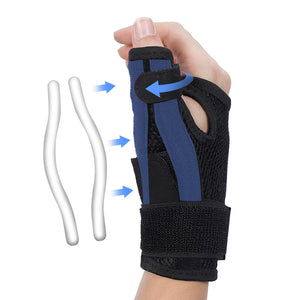
Best Elbow Brace for Golfers Elbow
- Black
- Grey
- Blue
- Purple
- Pink
- Black
- Dusty Blue
- Blue
- Pink
- White
- Pink
- White
- Yellow
- Purple
- Black
- Black
- Grey
- Grey
- Black
- Blue
- Grey
- Blue
- Black
- Black
- Blue
Can You Have a Tennis Elbow and a Golfer's Elbow Together?
Experiencing sharp, radiating arm pain can bring your daily routine and active lifestyle to a grinding halt. If you are dealing with debilitating forearm discomfort, you might be wondering: Can you have a tennis elbow and a golfer's elbow at the exact same time?
Yes, it is entirely possible to suffer from both conditions simultaneously. In the health and wellness space, this dual condition is frequently referred to as a "double elbow" injury. While it can be incredibly painful and frustrating to deal with, understanding the mechanics of this complex injury is the first step toward effective rehabilitation and long-term relief.
Understanding the Mechanics: Lateral vs. Medial Epicondylitis
To comprehend how both injuries can strike at once, it is important to understand the distinct characteristics of each condition:
- Tennis Elbow (Lateral Epicondylitis): This condition primarily affects the outer part of the joint. It involves the inflammation and microscopic tearing of the tendons that connect your forearm muscles to the lateral epicondyle—the bony bump on the outside of your elbow.
- Golfer's Elbow (Medial Epicondylitis): This targets the inner side of the elbow. It occurs when the tendons connecting the forearm muscles to the medial epicondyle (the bony bump on the inside of the elbow) become inflamed.
Although both conditions stem from overuse, repetitive stress, and continuous friction, they target completely different muscle groups and tendons. When both sets of forearm tendons are overworked, a simultaneous double elbow injury occurs.
Common Causes of a Double Elbow Injury
You do not need to be a professional athlete, swinging a tennis racket or a golf club, to develop these repetitive strain injuries. Everyday activities contribute significantly to joint and tendon degradation. Common culprits include:
- Repetitive Manual Labor: Jobs that require constant gripping, twisting, or heavy lifting—such as carpentry, plumbing, or painting—put immense mechanical stress on both the inner and outer forearm.
- Intense Weightlifting: Poor form during gym workouts, especially during heavy pulling, rowing, or pushing movements, can overstrain the entire elbow joint complex.
- Office Work: Typing on a keyboard or using a computer mouse for long hours without proper ergonomic support can cause chronic tendon inflammation over time.
- Daily Chores: Even seemingly harmless activities like extensive yard work, shoveling, or carrying heavy groceries can trigger simultaneous epicondylitis.
Recognizing the Symptoms
How do you know if you are dealing with both issues at the same time? The symptoms often overlap but present very distinct pain points:
- Tenderness, swelling, and aching on both the inside and outside of the joint.
- A significant decrease in grip strength, making it difficult to hold a coffee cup, turn a doorknob, or shake hands.
- Severe stiffness in the arm, particularly when waking up in the morning.
- Pain radiating from the elbow down the forearm toward the wrist during extension or flexion.
How Can You Manage Both Conditions?
Managing both lateral and medial epicondylitis requires a comprehensive, multifaceted approach. Because two entirely different sets of tendons are inflamed, your recovery strategy must balance adequate rest, targeted physical therapy, and the right structural support.
Following the standard protocol of resting the arm, applying ice to reduce localized swelling, and performing gentle forearm stretching exercises is essential. However, the most critical element for active individuals is finding proper joint stabilization.
To alleviate pain and safely navigate your daily tasks, targeted compression therapy is highly recommended. For instance, utilizing the best elbow brace for golfer's elbow delivers soothing compression and structural support directly to the inner forearm tendons. Meanwhile, you can also use specialized bracing designed specifically for the outer part of the joint to manage tennis elbow. Using high-quality compression sleeves or straps allows you to isolate the inflamed areas, ensuring that neither the medial nor the lateral tendons endure excessive strain during movement.
Why You Need an Elbow Brace for Recovery
Incorporating a compression brace into your daily routine is not just about comfort; it is a vital component of the healing process.
Immediate Pain Relief
The primary benefit of a dedicated support wrap is its ability to disperse tension away from the damaged tendons. By applying firm, localized pressure, a brace significantly reduces the strain on the affected muscles. This mechanism helps alleviate the sharp, burning discomfort associated with epicondylitis.
Joint Support and Stability
A high-quality compression sleeve stabilizes the entire joint structure. When your arm is supported, you are less likely to make compensatory movements that could lead to further muscle strain. This enhanced stability also promotes optimal blood circulation, which delivers oxygen and essential nutrients to the microscopic tendon tears, accelerating your body's natural healing timeline.
Prevention of Additional Stress
The reality of daily life is that we cannot always stop moving. Whether you are returning to your workplace, hitting the gym, or tackling household chores, wearing an elbow brace acts as a protective shock absorber. It disperses the vibrations traveling up the forearm during physical activities, dramatically reducing the risk of aggravating an already sensitive double elbow injury.
The Path to a Full Recovery
Dealing with a dual diagnosis of lateral and medial epicondylitis can feel overwhelming, but it is highly treatable. By combining adequate rest, mindful ergonomic adjustments, and the proper supportive compression gear, you can make a massive difference in your recovery process and confidently resume your normal activities sooner. Always consult a certified healthcare provider or physical therapist to develop a comprehensive, personalized treatment plan tailored to your specific symptoms.