End Piriformis Syndrome Pain: How Hip Braces Offer Real Relief & Accelerate Your Recovery

Is that nagging, deep ache in your buttock that shoots down your leg truly sciatica? Or could it be its great impostor, piriformis syndrome? As Memorial Day weekend approaches and we get ready for more time spent gardening, hiking, and enjoying the outdoors, the last thing you want is to be sidelined by pain. Understanding the difference is the first step toward finding real relief.
While many conditions can cause sciatic nerve pain, piriformis syndrome is unique. It happens when the piriformis muscle—a small but mighty muscle deep in your glutes—spasms and irritates the sciatic nerve running beneath it. It accounts for up to 6% of all low back pain and sciatica cases, and for those experiencing it, finding a solution that provides stability without limiting life is critical.
This is where a hip brace enters the picture. But how does it fit into your recovery? Let's break down the mechanics, set realistic expectations, and map out what your journey back to pain-free movement looks like.
Setting Realistic Expectations: The Role of a Hip Brace
Before we dive in, let’s be clear: a hip brace is a powerful tool, not a magic cure. The research landscape shows a gap in large-scale clinical studies specifically on hip braces for piriformis syndrome. However, the biomechanical principles and a wealth of anecdotal evidence strongly support their role as a key part of a comprehensive recovery plan.
Think of a hip brace as your support system. It’s designed to:
- Provide immediate relief by reducing strain on the irritated muscle.
- Improve stability in your pelvis and hip, preventing movements that trigger pain.
- Enable you to participate in the physical therapy and stretching that are crucial for long-term healing.
It’s an adjunct therapy, meaning it works best alongside other treatments recommended by a healthcare professional.
How Hip Braces Actually Work for Piriformis Syndrome
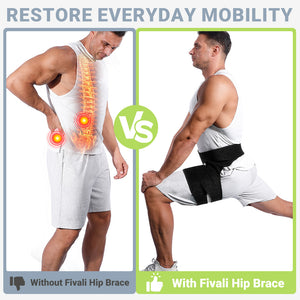
To understand how a brace helps, you first need to visualize the problem. Your piriformis muscle helps rotate your leg outward. When it becomes tight or inflamed, it can directly compress the sciatic nerve. A well-designed hip brace counteracts this by providing targeted support in three key ways:
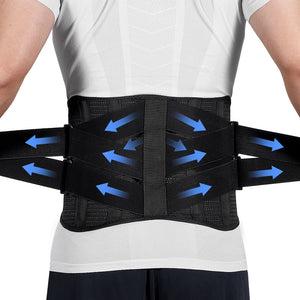
- Stabilizing the Pelvis and SI Joint: Many cases of piriformis syndrome are linked to instability in the sacroiliac (SI) joint. A hip brace or SI belt wraps around the hips to create gentle compression, stabilizing the pelvis and reducing stress on the piriformis.
- Limiting Harmful Movements: The brace acts as a physical guide, discouraging excessive hip adduction (your leg moving inward) and internal rotation. One case study on a specific type of strap showed it could reduce peak hip adduction from 15.9° to just 5.8°, a significant change that can offload the piriformis muscle.
- Applying Targeted Compression: Some hip wraps provide consistent, warm compression to the entire hip and glute area. This increases blood flow, soothes the tense muscle, and can help reduce inflammation, making it easier to move with less pain.
Choosing the Right Support: Types of Hip Braces for Piriformis Syndrome
Not all hip supports are created equal. For piriformis syndrome, you're generally looking at two main categories that offer distinct benefits. When you're ready to explore your options, you'll find a range of hip braces designed for stability and pain relief.
- Sacroiliac (SI) Joint Belts: These are minimalist belts that sit low around your hips, specifically designed to stabilize the SI joint. They are excellent for people whose piriformis pain is directly related to pelvic instability. They’re discreet and can be worn under clothing during daily activities.
- Hip Compression Wraps: These are larger supports that cover the hip, glute, and upper thigh. They provide a combination of stability, compression, and therapeutic warmth. This style is often preferred for managing acute pain and for providing extra support during physical activities or stretching routines.

Compare SI belts, compression wraps, and targeted-pad braces at a glance—see which best targets piriformis mechanics and day-to-day support.
Your Recovery Roadmap: Integrating a Brace Step-by-Step
Using a hip brace effectively means understanding its role at each stage of your recovery. Here’s what you can generally expect:
Stage 1: Acute Phase (Pain Management)
In the initial days when the pain is most intense, your focus is on calming the irritated muscle and nerve.
- How the brace helps: Wear the brace during daily activities like walking, sitting, and standing to provide stability and reduce painful muscle spasms. The compression can offer immediate, soothing relief.
- Goal: Manage pain enough to function and rest comfortably.
Stage 2: Active Recovery (Rehabilitation)
Once the acute pain subsides, the real work begins. This phase involves gentle stretches and strengthening exercises prescribed by a physical therapist.
- How the brace helps: Wearing the brace during your rehab exercises can provide the confidence and support needed to perform movements correctly without fear of re-injury. It keeps the area stable so you can focus on strengthening the surrounding muscles.
- Goal: Build strength and flexibility to address the root cause of the issue.
Stage 3: Long-Term Management (Prevention)
As your muscles get stronger, you’ll become less reliant on the brace.
- How the brace helps: You may choose to wear the brace proactively during activities you know can trigger flare-ups, such as long car rides, sitting at a desk for hours, or engaging in strenuous exercise.
- Goal: Maintain an active lifestyle while preventing future episodes.

A stage-by-stage recovery roadmap showing when a hip brace helps: immediate relief, supports active rehab, then assists long-term prevention.
How to Choose the Best Hip Brace for Your Needs
Making the right choice comes down to your specific symptoms, lifestyle, and recovery goals. Before making a decision, consider these factors:
- Severity of Pain: For intense, acute pain, a full compression wrap may offer more comprehensive comfort. For dull, chronic aches linked to instability, an SI belt might be sufficient.
- Activity Level: If you plan to wear the brace during sports or exercise, look for breathable, moisture-wicking materials and a non-slip design that will stay in place.
- Fit and Adjustability: A one-size-fits-all approach rarely works. Look for a brace with adjustable straps to customize the level of compression and ensure a snug, comfortable fit.
For a wide selection, explore effective hip support solutions that cater to various needs.

A simple checklist and flowchart to help decide if a hip brace is appropriate and how to combine it with therapy for best results.
Frequently Asked Questions About Piriformis Syndrome and Hip Braces
Do hip braces really work for piriformis syndrome?
Yes, hip braces are a powerful tool within a comprehensive treatment plan for piriformis syndrome. While they don't "cure" the condition, they are designed to manage symptoms, reduce pain, and provide crucial stability. This support allows you to actively participate in physical therapy and stretching, which are essential for long-term healing and addressing the root cause. As an adjunct therapy, they complement other recommended treatments.
How do hip supports help with piriformis syndrome?
Hip supports help by providing targeted assistance in three main ways: they stabilize the pelvis and sacroiliac (SI) joint, limiting harmful movements like excessive hip adduction and internal rotation, and applying consistent compression. This compression increases blood flow, soothes tense muscles, and helps reduce inflammation, making movement less painful.
What types of hip supports are available for piriformis syndrome?
Generally, two main categories are most beneficial: Sacroiliac (SI) Joint Belts, which are minimalist belts for pelvic stability, and Hip Compression Wraps, which are larger supports covering the hip, glute, and upper thigh for combined stability, compression, and therapeutic warmth. The best choice depends on the specific symptoms and activity level.
How long should I wear my hip brace each day?
The duration of wear depends significantly on your stage of recovery. In the acute phase, when pain is intense, you might wear it for several hours daily, particularly during activities that trigger discomfort. As you progress into active recovery, reliance typically lessens. For long-term management, it might be worn proactively for specific activities or prolonged sitting. Always consult with a physical therapist for personalized guidance.
Can I sleep with a hip brace on?
Generally, it's not recommended to sleep with a hip brace unless a healthcare professional specifically advises it. Allowing your muscles to rest and recover naturally without restriction is important. Wearing a brace while sleeping can sometimes limit blood flow or lead to discomfort.
What's the difference between piriformis syndrome and sciatica?
This is a crucial distinction for effective treatment. Sciatica describes a symptom: nerve pain that radiates down the leg. It's not a diagnosis itself and can stem from various causes, such as a herniated disc. Piriformis syndrome, however, is a specific diagnosis where the piriformis muscle spasms and irritates the sciatic nerve, causing sciatic-like symptoms. Therefore, while hip supports can be very effective for piriformis-related sciatica, their effectiveness for other causes of sciatica will vary depending on the underlying issue. Understanding the difference between piriformis syndrome and sciatica is vital for proper treatment.
When should I see a healthcare professional?
It's important to consult a healthcare professional if your pain is severe, doesn't show improvement with self-care after one to two weeks, or is accompanied by more serious symptoms like numbness, weakness, or any loss of bladder or bowel control. These symptoms warrant immediate medical attention for an accurate diagnosis and appropriate treatment.