Should You Sleep with a Wrist Brace On?
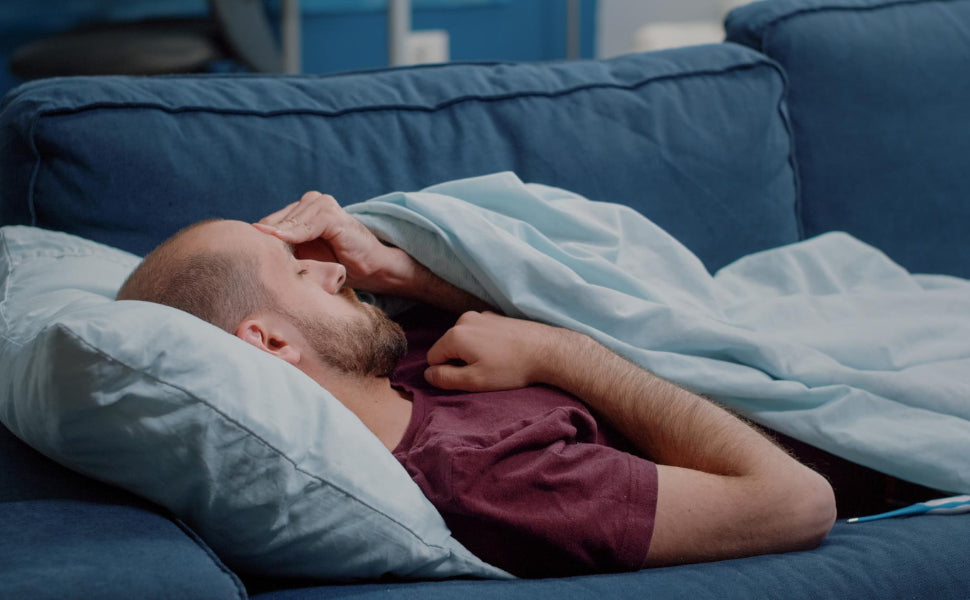
Waking up in the middle of the night with numbness in the hands, dealing with the aftermath of a recent sprain, or worrying about aggravating an injured joint while tossing and turning can heavily disrupt your recovery. Attempting to figure out if wearing protective gear to bed will help or hinder healing is a common dilemma. The short answer is: sometimes—but it heavily depends on the nature of the injury, the specific type of gear used, how it fits, and your overall treatment goals. From a strength training and functional rehabilitation perspective, resting a joint is only one piece of the puzzle. This guide provides practical, condition-specific protocols to help you navigate nighttime joint protection safely, ensuring that immobilization does not compromise long-term mobility and strength.
Quick Primer: What a Wrist Brace Actually Does
Protective joint gear serves several mechanical and neurological functions depending on its design. Knowing these functions is essential before deciding to wear one overnight.
Core Purposes of Protective Gear
- Immobilization: Restricts movement entirely to protect fractured bones or severely torn ligaments.
- Support and Stabilization: Limits extreme ranges of motion while allowing slight movement to keep surrounding tissues active.
- Compression: Manages localized swelling and promotes fluid drainage from an inflamed joint.
- Proprioceptive Cueing: Provides sensory feedback to the skin and muscles, reminding the user not to move the joint into painful ranges.
Common Components
- Soft Sleeves: Typically made of neoprene, nylon, or knit fabrics, designed primarily for light compression and warmth.
- Compression Wraps: Adjustable elastic bands that allow the user to control the exact amount of localized pressure.
- Removable Metal or Aluminum Stays: Rigid inserts that lock the joint into a specific angle (usually neutral) to prevent bending.
- Thumb Spica: An extension that isolates and restricts the thumb, vital for certain tendinopathies.
- Night Splints: Bulky, heavily padded structures specifically designed for comfortable, long-duration overnight wear.
Differences in Equipment
It is crucial to distinguish between different types of gear. A wrist stabalizer usually features adjustable straps and flexible supports to restrict heavy movements without completely locking the joint. A simple compression sleeve offers zero structural restriction, focusing purely on warmth and swelling management. Meanwhile, a rigid splint relies on metal or hard plastic to eliminate flexion and extension entirely.
Why People Consider Sleeping with Protective Gear
Nighttime presents unique challenges for joint recovery. When you fall asleep, you lose conscious control over your body positioning, which can lead to unintentional stress on compromised tissues.
- Prevents Harmful Joint Positions: During sleep, it is incredibly common to curl the hands inward (extreme flexion) or sleep with hands pressed flat under the pillow (extreme extension). Immobilization prevents these aggressive angles.
- Reduces Night Pain and Nerve Irritation: Conditions that compress nerves often flare up at night due to sustained awkward postures. Keeping the joint in a neutral alignment opens the anatomical tunnels and relieves nerve pressure.
- Protects Healing Tissue: Tossing, turning, or accidentally striking the hand against a headboard can instantly re-injure a fresh sprain or strain. Structured protection acts as a physical bumper.
- Provides a Psychological Sense of Safety: Fear of re-injury can ruin sleep quality. Wearing physical support provides peace of mind, allowing athletes and individuals to achieve the deep, restorative sleep necessary for tissue repair.
Condition-Based Recommendations
Applying the correct overnight protocol requires aligning the gear with the specific demands of the physical condition.
Carpal Tunnel Syndrome and Median Nerve Irritation
- Night splints that hold the joint in a strict neutral position are highly recommended for nerve entrapment issues.
- Flexion and extension decrease the space within the carpal tunnel, which is why symptoms typically worsen at night.
- Typical duration involves nightly use for several weeks to months, depending on how the nerve responds to the reduction in mechanical stress.
Acute Wrist Sprain (Grade I–II)
- In the early phase (the first 48 to 72 hours), immobilizing the area more aggressively helps manage the acute inflammatory response. Short-term day and night use is common here.
- Once dealing with a fresh injury, a wrist brace for sprain offers the necessary restriction to prevent the healing ligaments from being overstretched while you sleep.
- After substantial pain and acute swelling subside, the protocol should transition to night-only use or activity-specific use to encourage natural tissue remodeling.
Tendonitis and De Quervain’s Tenosynovitis
- Night use helps control inflammation by preventing the repetitive micro-movements that aggravate irritated tendons.
- For thumb-related tendinopathies, utilizing a thumb spica is critical to immobilize the specific tendons involved.
Post-Acute Rehab and Chronic Instability
- Individuals managing chronic joint laxity or returning from long-term injuries may utilize night bracing during specific flare-ups.
- It is also useful for individuals who know they habitually sleep in risky, heavily flexed positions that trigger morning stiffness.
Post-Operative or Fracture Scenarios
- Adhere to specific post-operative protocols provided by the surgical team.
- In these scenarios, night bracing may be strictly mandated to ensure surgical repairs are not compromised, or it may be contraindicated if early mobility is the primary post-surgical goal.
When Not to Sleep with Protective Gear
Despite the benefits, overnight immobilization is not appropriate for every scenario and can sometimes cause more harm than good.
- Circulation Compromise: If wearing the gear causes coldness in the fingers, a blue or pale color change, or throbbing, it must be removed.
- Open Wounds and Skin Infections: Covering open abrasions, incisions, or severe localized swelling with restrictive fabric traps bacteria and moisture, requiring active monitoring instead.
- Clinical Contraindications: When a rehabilitation professional advises against continuous immobilization, keeping the joint locked up can lead to severe stiffness and rapid muscle atrophy.
- Pain and Frequent Waking: If the gear itself is painful, causes a pins-and-needles sensation, or wakes you up frequently because it is excessively bulky, it is counterproductive to recovery.
Risks and Downsides of Overnight Bracing
From a strength and conditioning viewpoint, relying too heavily on passive support mechanisms carries inherent risks that must be managed.
- Skin Irritation and Pressure Sores: Trapped sweat and friction from tight straps can easily lead to contact dermatitis or pressure sores over bony prominences.
- Temporary Muscle Weakness and Atrophy: Prolonged, continuous immobilization signals the body to stop maintaining muscle mass in the forearm, leading to weakness when the gear is finally removed.
- Dependence on External Support: Relying on a splint for too long delays the initiation of active rehabilitation, causing the individual to lose confidence in their own joint stability.
- Poor Sleep Quality: If the equipment is heavy, unbreathable, or poorly fitted, the resulting discomfort will fragment sleep, impairing overall systemic recovery.

Practical Guidance — How to Sleep Safely and Effectively
Implementing overnight protection successfully requires careful selection, proper fitting, and excellent hygiene.
Choosing the Right Type for Nighttime
- Opt for a dedicated night splint or a neutral-position rigid structure if nerve compression is the primary issue.
- For mild sprains or generalized inflammation, a lightweight stabilizer or a soft compression sleeve is usually sufficient and far more comfortable.
- Ensure you select appropriate wrist support that matches the severity of your symptoms. Avoid using heavy, bulky metal-reinforced gear overnight unless specifically required for severe instability.
Fit and Position Guidelines
- Keep the joint in a neutral alignment (approximately 0 to 15 degrees of extension) unless a specific injury requires a different angle.
- The fit should be secure but not restrictive. You should easily be able to slip one finger between the strap and your skin.
- Check capillary refill (pressing the fingernail until it turns white and ensuring pink color returns in less than two seconds) and test skin sensation immediately after fitting.
Hygiene and Skin Care Management
- Wear a thin, breathable liner underneath the main straps. A thin sock with the toe cut out or a dedicated sweat pad prevents moisture accumulation.
- Remove the gear daily to thoroughly clean the skin and wash the fabric according to manufacturer instructions.
Monitoring Physical Feedback
- Immediately remove the equipment if you experience sudden numbness, an increase in pins-and-needles, or any discoloration in the extremities.
- Reassess the fit of the straps every few days. As swelling decreases, gear that originally fit perfectly will become loose and ineffective.
Sleep-Position Tips
- Place a small, soft pillow under the forearm to elevate the limb slightly and prevent awkward joint angles.
- Avoid sleeping with the arm tucked directly beneath the torso, as the combined body weight and rigid straps can severely restrict blood flow.
Metal Support (Rigid Stays) — Yes/No for Night Use
The inclusion of rigid metal components introduces both significant benefits and notable drawbacks for overnight use.
- Pros: Metal stays offer excellent immobilization for severe instability, fractures, or carpal tunnel night splints that require the joint to be maintained in a strict neutral position.
- Cons: Rigid inserts heavily reduce comfort, create potential pressure points against the skin, and increase heat retention.
- Recommendations: When deciding whether to use a wrist brace with metal support, prioritize designs with removable aluminum stays. Use the rigid stays at night only when maximum protection is required. If discomfort or skin issues develop, remove the metal stays and rely on the secondary strapping for support.
Strength-Trainer Perspective: Combine Bracing with Active Rehab
Resting an injured area is only the preparation phase; active loading is what actually drives structural healing. Protective gear is a temporary tool, not a permanent substitute for physical capacity.
- Tool, Not a Substitute: Passive support does not strengthen ligaments or tendons. It merely creates an optimal environment for the early stages of tissue repair.
- Short-Term Immobilization, Early Mobilization: Balance is key. Lock the joint down during the acute inflammatory phase, but reintroduce gentle movement as soon as it can be tolerated without sharp pain to prevent stiffness.
- Incorporate Mobility and Strengthening: Once baseline pain decreases, active rehabilitation must begin. Targeted isometric holds, light resistance band work, and proprioceptive drills should be programmed daily.
- Pair Night Bracing with Daytime Exercises: A highly effective protocol involves wearing the protective gear at night to ensure uninterrupted healing, while removing it during the day to perform controlled mobility and strengthening exercises.
Practical Timelines for Overnight Brace Use
Recovery timelines vary based on individual factors, but general parameters help establish expectations. These timelines should be adjusted based on symptomatic response and professional assessment.
- Acute Minor Sprain: Night use for the first 1 to 2 weeks, gradually weaning off the support as morning stiffness and baseline symptoms improve.
- Moderate Sprain or Instability: Night use combined with daytime activity protection for 3 to 6 weeks. Re-evaluate with a clinical professional if pain persists.
- Carpal Tunnel Syndrome: Nightly use often extends for 4 to 12 weeks. If there is no reduction in nerve symptoms after this period, consider diagnostic or therapeutic follow-ups.
- Chronic Pain or Occasional Flares: Intermittent or situational night use. Apply the gear only during active flare-ups or after particularly taxing physical days.
How to Choose the Right Gear for Sleep (Shopping Checklist)
Not all protective equipment is designed for eight hours of uninterrupted use. Use this checklist to evaluate options.
- Identify the Purpose: Clarify whether you need a strict night splint for nerves, a compressive sleeve for swelling, a targeted thumb spica, or a general stabilizer.
- Fit and Sizing: Always measure your joint circumference exactly where the manufacturer indicates and adhere strictly to their size chart. Do not guess.
- Comfort Features: Look for breathable fabrics, soft bound edges to prevent chafing, and a low-profile design that won't catch on blankets.
- Adjustable Straps: Multi-point adjustments allow for even pressure distribution, which prevents the tourniquet effect.
- Removable Stays: Ensure metal or aluminum inserts can be easily removed to allow flexibility between rigid night use and flexible day use.
- Ease of Cleaning: The gear will absorb sweat nightly; ensure the materials are durable enough to withstand frequent washing.
Step-by-Step Nightly Routine
Establishing a consistent application routine ensures safety and maximizes the therapeutic effect of overnight immobilization.
- Wash and Dry: Thoroughly clean the skin and dry it completely. Inspect the area for any signs of chafing or redness from the previous night.
- Apply Liner: Put on a thin, breathable liner if you are prone to sweating or have sensitive skin.
- Position and Secure: Fit the gear while keeping the joint in a neutral, relaxed position. Secure the straps comfortably, ensuring the one-finger rule is met.
- Test Sensation: Wait 5 to 10 minutes before falling asleep to test circulation and ensure no new numbness develops.
- Morning Removal: Remove the equipment immediately upon waking. Inspect the skin again.
- Light Mobility: Perform 2 to 3 minutes of light, pain-free mobility exercises (like gentle circles or tendon glides) to restore blood flow and clear stiffness.
- Weekly Reassessment: Schedule a periodic check every week to determine if the gear is still necessary based on symptom reduction.
Red Flags — When to Stop Night Bracing and Seek Professional Help
Recognizing when conservative overnight management is failing is critical to preventing long-term damage.
- Worsening Neurological Signs: Any increase in tingling, severe numbness, or sudden loss of motor control (weakness in gripping) requires immediate removal and clinical evaluation.
- Skin Breakdown: Increased pain locally, severe localized swelling, blistering, or open skin sores indicate dangerous pressure points.
- Vascular Issues: Persistent coldness, a pale or blue tinge to the fingers, or throbbing pain points to restricted blood flow.
- Lack of Progress: If there is zero improvement after an appropriate trial period (e.g., several weeks for suspected nerve irritation), it is time to refer to a physician or hand therapist for advanced diagnostics.
Sample Short Call-Outs
Quick Tip: For nerve entrapment issues, aim for a strictly neutral alignment. This typically reduces night nerve irritation far more effectively than a flexed or highly extended position.
Trainer Note: Use night bracing as a bridge, not a destination. Start incorporating rehab-friendly strengthening and active mobility as soon as pain allows to prevent long-term functional loss.
Evidence and Professional Guidance Summary
Professional rehabilitation rationale widely supports the use of night splints for conditions like nerve entrapment and the early phases of ligamentous sprains. Keeping the anatomy in a neutral position prevents mechanical compression of neurological structures, while short-term immobilization of sprains provides the necessary stability for early collagen formation. However, individualized care remains paramount. Timelines and exact positioning must be tailored to the specific injury, emphasizing a prompt return to active, progressive loading to restore optimal joint mechanics.
Conclusion and Key Takeaways
Sleeping with protective joint gear can be highly beneficial and is frequently recommended for managing nerve compression, acute sprains, and inflammatory flare-ups. The key to success lies in choosing the correct type of support, ensuring an optimal, non-restrictive fit, and limiting the duration of use to what is functionally appropriate. From a strength and recovery perspective, immobilization must always be paired with an active rehabilitation plan to prevent atrophy and restore full mechanical capacity. Ultimately, if wearing the gear improves your sleep quality and aids recovery without causing circulation or skin issues, it is a highly reasonable strategy; otherwise, adjust the fit or seek professional assessment to keep your recovery on track.
Frequently Asked Questions
Can I sleep with a wrist brace on every night?
Sleeping with gear every night is acceptable for specific timelines, such as 4 to 12 weeks for nerve entrapment or during the acute healing phase of a sprain. However, indefinite, long-term use without clinical guidance can lead to tissue dependence and joint stiffness. Evaluate comfort and functional progress regularly.
Is it safe to sleep with a wrist brace that has metal supports?
Yes, provided the metal stays are intended to hold the joint in a neutral position and do not cause painful pressure points. If the rigid stays dig into the skin, cause numbness, or disrupt sleep due to their bulk, they should be removed or adjusted.
Will sleeping in a wrist brace make my wrist weaker?
Short-term overnight use (a few weeks) will not cause significant weakness. However, continuous long-term immobilization without accompanying daytime rehabilitation exercises will eventually lead to muscle atrophy and decreased joint stability.
How tight should a wrist brace be when I sleep?
It should be secure enough to prevent unwanted joint movement but loose enough to slide one finger easily beneath the straps. If you experience throbbing, cold fingers, or a color change in your skin, the straps are dangerously tight.
How long should I try night bracing before expecting improvement?
For an acute sprain, you should notice improved morning stability within 1 to 2 weeks. For nerve irritation issues, mild relief often occurs within the first few weeks, though maximum benefit may take 4 to 8 weeks. If symptoms remain unchanged or worsen, seek professional assessment.
Can I sleep with a brace after I sprain my wrist?
Yes. Early overnight immobilization is highly beneficial for Grade I and II sprains. It protects the torn ligaments from being accidentally stretched during sleep. Transition to active mobility during the day as soon as acute pain subsides.
Should children sleep with wrist braces?
Extra caution is required when applying overnight protective gear to children. Pediatric joints and growth plates are sensitive to restrictive pressure. Sizing must be exact, and clinical input is highly recommended before utilizing rigid nighttime splints on growing athletes.
How do I prevent skin irritation from nighttime brace use?
Always apply the gear over clean, dry skin. Using a thin, breathable fabric liner (like a modified cotton sock) absorbs nighttime sweat and prevents friction. Wash the gear regularly according to the manufacturer's guidelines.
Can I exercise with the brace on during the day and sleep with it on at night?
While you can wear it during both periods initially for severe acute injuries, this limits total mobility. Ideally, you should remove the gear to perform controlled rehabilitation exercises during the day to encourage blood flow and tissue adaptation, reserving the heavy protection for overnight sleep.
When should I stop using the brace at night and start rehab-only?
You should transition away from overnight gear when you can sleep completely through the night without pain, when morning stiffness resolves within a few minutes of waking, and when active daytime rehabilitation has restored your functional stability and confidence in the joint.
Optional Appendices
Quick Product Feature Comparison
| Gear Type | Overnight Suitability | Pros | Cons |
|---|---|---|---|
| Compression Sleeve | Excellent (Mild issues) | High comfort, retains body heat, zero bulky parts | No structural restriction, ineffective for nerve issues |
| Flexible Stabilizer | Good | Adjustable pressure, limits extreme ranges of motion | Straps can create pressure points if overtightened |
| Rigid Night Splint | Excellent (Nerve/Sprain) | Locks joint in neutral, maximum tissue protection | Bulky, retains sweat, can be uncomfortable for side-sleepers |
| Thumb Spica | Good (Targeted issues) | Isolates thumb movement specifically | Restricts functional hand use, highly specialized |
Simple Home Tests to Check Circulation and Sensation
- Capillary Refill Test: Squeeze the tip of your thumb or index finger until the nail bed turns white. Release the pressure. The pink color should return in less than two seconds. If it takes longer, the straps are too tight.
- Temperature Check: Compare the temperature of the fingers on the braced hand to the opposite hand. They should feel relatively identical.
- Sensation Check: Lightly run a feather or soft tissue over the fingertips. If the sensation feels dull, delayed, or tingly compared to the other hand, relieve the pressure immediately.
Sample Two-Week Plan (Acute Sprain Management)
- Days 1–3: Wear gear continuously (day and night). Remove only for hygiene. Apply ice protocols as needed. Focus on strict immobilization.
- Days 4–7: Continue overnight use. During the day, remove for 10-15 minutes every few hours to perform pain-free finger wiggles and gentle, unweighted joint circles.
- Days 8–14: Rely strictly on overnight gear for sleep protection. During the day, transition to a lighter compression sleeve or tape, and begin structured isometric strengthening exercises. Assess weaning off overnight gear by the end of week two based on pain levels.