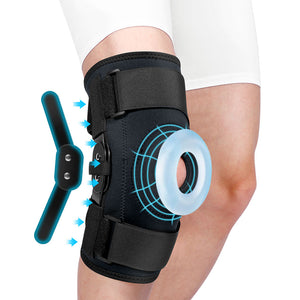
Lifecycle and Failure Signs of Sports Braces

Imagine gearing up for a fantastic summer adventure—maybe a hike in the mountains, a spirited game of beach volleyball, or finally tackling that home improvement project. You pull on your trusted sports brace, that silent partner that’s been supporting your joints through countless activities. But have you ever paused to wonder: how long can this reliable companion actually last?
Just like your favorite running shoes or your go-to workout clothes, sports braces have a lifecycle. They're built for performance and protection, but constant use, sweat, and movement inevitably take their toll. Understanding this journey—from its peak performance to its eventual retirement—isn't just about saving money; it’s about ensuring you stay active and injury-free, especially as you look forward to a season full of activity.
This isn't about rushing you to buy a new brace. It's about empowering you with knowledge. By recognizing the early warning signs of wear and tear, you can make informed decisions, maintain your performance, and confidently enjoy every active moment, whether it's a holiday weekend outing or your daily fitness routine.
What is a Sports Brace and How Does It Work?
At its core, a sports brace is designed to provide external support, compression, and stability to a joint or body part during physical activity or recovery. Think of it as an extra layer of structural integrity for your knees, ankles, wrists, elbows, or back.
Different braces achieve this through various mechanisms:
- Compression: Materials like neoprene or elastic fabrics apply gentle pressure, which can help reduce swelling, improve blood flow, and provide a sense of security.
- Support: Straps, hinges, stays, or molded components limit excessive movement, protecting ligaments and tendons from strain or re-injury.
- Stabilization: Some braces prevent specific types of motion, guiding the joint through a safe range of movement while allowing necessary flexibility.
Common materials include flexible fabrics (neoprene, nylon, spandex), rigid components (plastic, metal hinges), hook-and-loop fasteners (Velcro), and silicone grips. Each material plays a vital role, but each also has its own vulnerabilities over time.
The Unseen Journey: What Happens Over Time?
Even the highest quality sports brace isn't immune to the rigors of an active lifestyle. Over time, the materials and components that give your brace its protective power begin to degrade. This isn't a sudden event; it's a gradual process, often influenced by:
- Frequency and Intensity of Use: A brace worn daily for high-impact sports will show wear faster than one used occasionally for light activity.
- Activity Type: Sports involving frequent twisting, bending, or impact can accelerate wear on specific brace components.
- Care and Maintenance: How you clean and store your brace significantly impacts its longevity.
- Body Mechanics: How your body interacts with the brace, including sweat, friction, and muscle expansion, also plays a role.
While a general lifespan for a sports brace can range from 6 months to several years, understanding how it degrades is key.
Common Failure Modes: Your Brace's Secret Language
Your brace often tries to tell you it's tired before it completely gives out. Learning its "secret language"—the early warning signs of specific failure modes—can help you stay ahead of potential issues.
Stitch Unravelling: The Threads That Bind (or Don't)
Think of the stitching as the skeleton of your brace, holding all its essential parts together. When these threads start to fray or unravel, the structural integrity of the brace is compromised.
- How it impacts support: Loose stitches can lead to panels separating, straps detaching, or rigid components becoming unstable. This directly reduces the brace's ability to compress, support, or stabilize.
- Typical timeline: Visible stitch unravelling can begin anywhere from 3-6 months of regular, high-impact use, especially in areas of high friction or tension. Less frequent use might see this appear closer to 9-12 months.
-
Early warning signs:
- Visual: Look for small loops of thread poking out, particularly around seams, edges, or where straps attach.
- Feel: Run your fingers along the seams; you might feel loose threads or slight gaps in the fabric.
- Function: Notice if a section of the brace feels less taut or shifts more than usual.

Elastic Creep and Loss of Compression: The Sagging Truth
Many sports braces rely on elastic materials to provide compression and a snug fit. "Elastic creep" is the term for when these materials permanently stretch out over time, losing their ability to snap back.
- How it impacts support: When elastic components lose their compression, the brace becomes looser, less supportive, and prone to slipping. This significantly reduces its effectiveness in reducing swelling or providing stability. For instance, brace migration (when a knee brace slides down) is often a direct result of lost compression. To dive deeper into solutions for this common issue, check out our guide on how to keep a knee brace from sliding down.
- Typical timeline: This is one of the most common and earliest failure modes. Noticeable elastic creep can begin around 2-4 months with daily, intense use, or 6-9 months with moderate activity.
-
Early warning signs:
- Visual: The fabric might appear baggy or less taut, even when adjusted to its tightest setting.
- Feel: The brace feels noticeably looser on your limb, requiring constant re-adjustment. It might not provide the same snug, supportive pressure it once did.
- Function: You might find yourself needing to overtighten straps to get the same level of compression, or the brace simply doesn't feel as effective.
Zipper and Strap Failure: The Fasteners That Fail
From hook-and-loop (Velcro) straps to buckles and zippers, these fasteners are crucial for securing your brace. When they fail, the brace can't stay in place or provide consistent support.
- How it impacts support: A strap that won't stick, a buckle that won't clip, or a zipper that snags means the brace cannot be properly tightened or secured. This can lead to the brace shifting, hindering movement, or even creating a safety hazard.
-
Typical timeline:
- Velcro: The "fluffiness" of Velcro can degrade quite quickly, showing signs of reduced grip after 3-6 months of daily fastening/unfastening.
- Zippers/Buckles: These tend to be more durable, but can break or jam after 6-12 months of regular use, especially if subjected to impact or improper handling.
-
Early warning signs:
- Velcro: The hook side doesn't catch as firmly on the loop side, making the strap easy to pull apart. You might also see lint and debris embedded in the hook side.
- Zippers: The slider feels stiff, the teeth don't interlock smoothly, or it frequently snags.
- Buckles: Visible cracks, bending, or a "soft" feel when clicking them into place.
Silicone Grip Loss and Migration Issues: Slipping Away
Many braces feature silicone strips or dots on the inside to help prevent slippage. These grips create friction against your skin, keeping the brace securely in place.
- How it impacts support: When silicone grips wear down or lose their adhesion, the brace becomes much more prone to sliding out of position, especially during dynamic movements. This means inconsistent support and constant re-adjustment, often leading to frustration and reduced protection.
- Typical timeline: Silicone grips can begin to lose their effectiveness after 4-8 months of regular use, especially with frequent washing, exposure to body oils, or if the brace is pulled on/off roughly.
-
Early warning signs:
- Visual: The silicone strips might appear shiny, flattened, or develop small cracks. They may also start to peel away from the fabric.
- Feel: The brace slides much more easily on your skin. The silicone no longer feels "tacky" or grippy to the touch.
- Function: You find yourself constantly pulling your brace back into position, particularly during exercise.
Rigid Component Fatigue and Cracking: The Hidden Dangers
Braces designed for higher levels of support, like hinged knee braces or posture correctors, often incorporate rigid plastic or metal components. These elements provide crucial stability, but they aren't indestructible.
- How it impacts support: Cracks in plastic stays, bent metal hinges, or fatigued internal supports mean the brace can no longer effectively restrict unwanted motion or provide robust stability. This can significantly increase the risk of re-injury.
- Typical timeline: This failure mode generally takes longer to appear, typically 12-24 months or more, depending on the material quality and the intensity of impacts or stresses the brace endures. However, a single significant impact could cause immediate damage.
-
Early warning signs:
- Visual: Look for hairline cracks in plastic components, especially around pivot points or edges. Metal hinges might show signs of bending, corrosion, or looseness.
- Feel: The brace might feel "wobbly" or less stable than usual. You might hear creaking or clicking sounds when moving.
- Function: The brace allows for more movement than it should, or it feels uncomfortable due to shifting rigid parts. If you experience unexpected discomfort, it could be a sign of a deeper issue, like why your knee might burn.

Factors Accelerating Brace Wear and Tear
Beyond basic usage, several factors can speed up the aging process of your brace:
- Sweat and Body Oils: These can degrade elastic fibers and the adhesive properties of silicone.
- Improper Cleaning: Harsh detergents or incorrect washing methods can break down materials. For effective strategies to prolong the life of your gear, explore our article on maintenance tips for longevity.
- Exposure to Elements: Sunlight (UV rays), chlorine, and saltwater can all damage brace materials over time.
- Rough Handling: Tugging aggressively on straps, stuffing the brace into tight spaces, or exposing it to sharp objects.
- Specific Sports: High-impact sports like basketball or soccer, or activities with repetitive motions, can place extreme stress on certain brace components. For example, understanding how golfers elbow braces are used can highlight areas of specific wear.
The "When to Replace" Equation: A Decision Framework
When you spot those early warning signs, the big question emerges: Can I fix it, or do I need a new one?
Here's a simple framework:
-
Minor Degradation (e.g., a few loose stitches, slightly reduced compression):
- Consider Repair: If it's a few stitches in a non-critical area, a quick repair might extend its life. If compression is only slightly reduced and you can still achieve a secure fit, you might have some time.
- Monitor Closely: Keep a keen eye on the brace. If the issue worsens quickly, replacement is likely imminent.
-
Moderate Degradation (e.g., significant elastic creep, Velcro losing considerable grip, noticeable silicone grip loss):
- Consider Replacement Soon: These issues directly impact the brace's functional integrity. While it might still offer some support, it's not performing optimally and could lead to compensation or re-injury.
- Evaluate Safety: Is the brace still providing the necessary stability for your activity? If not, replace it before it fails completely during an activity.
-
Severe Degradation (e.g., rigid component cracking, major strap failure, complete loss of compression, significant stitch unravelling that compromises structural integrity):
- Replace Immediately: These are critical failures. The brace can no longer reliably protect you and could even pose a safety risk. Continuing to use a brace in this condition is like driving a car with bald tires—it's an accident waiting to happen.
Remember, a compromised brace can lead to reduced performance or increased injury risk. For instance, a 20% loss in elastic integrity can lead to a noticeable reduction in stability, potentially increasing re-injury risk. Trust your instincts; if your brace doesn't feel right, it probably isn't.
FAQ: Your Brace's Longevity Questions Answered
Q1: How often should I replace my sports brace?
A1: There's no single answer, as it depends heavily on usage, intensity, and material quality. As a general guideline:
- Daily, High-Impact Use: Every 6-12 months.
- Regular, Moderate Use (3-4 times/week): Every 12-18 months.
- Occasional, Light Use: Every 18-24+ months, but always inspect regularly. The key is to replace it when it no longer provides the intended support or shows significant signs of the failure modes discussed.
Q2: Can washing my brace make it wear out faster?
A2: Yes, improper washing can accelerate wear. Using harsh detergents, hot water, or machine drying can degrade elastic fibers, glues, and fabric integrity. Always follow the manufacturer's cleaning instructions, typically hand washing with mild soap and air drying.
Q3: My brace feels fine, but it's been a few years. Should I still replace it?
A3: If it truly feels fine and passes a thorough visual and functional inspection, you might have a particularly durable brace or light usage. However, invisible fatigue can occur in materials, especially in rigid components. If it's been over two years, consider the potential for material fatigue and the importance of its protective function, especially for demanding activities. When in doubt, it's safer to err on the side of caution.
Q4: Are there specific things I should look out for that aren't visible?
A4: Yes! Beyond visual cues, feel is crucial. Does the brace feel less stable? Is the compression inconsistent? Do you find yourself adjusting it more often? Are there new squeaks or stiffness in hinged areas? These tactile and auditory cues can signal issues like elastic creep or rigid component fatigue. You can also monitor for early warning signs of repetitive strain injury if you notice new aches despite wearing your brace.
Maximizing Your Brace's Lifespan: Care for Longevity
Investing a little time in care can significantly extend your brace's life.
- Clean Regularly: Follow manufacturer instructions. Most fabric braces can be hand-washed with mild soap and air-dried away from direct sunlight. This prevents the buildup of sweat, oils, and dirt that can degrade materials.
- Store Properly: Keep your brace in a cool, dry place. Avoid direct sunlight and extreme temperatures. Lay it flat or roll it gently; avoid crumpling, which can crease and damage materials or components. For Velcro straps, always fasten them to themselves to prevent them from snagging on other fabrics or collecting lint.
- Inspect Often: Make it a habit to visually check your brace before and after each use for any of the early warning signs mentioned above.
- Avoid Over-Tightening: While a snug fit is important, over-tightening can stress elastic fibers, stitching, and fasteners, leading to premature failure. Be mindful of common back brace mistakes that can affect its lifespan.
- Consider Rotation: If you rely heavily on a brace, consider having two and rotating them. This allows each brace to rest and fully dry between uses, reducing cumulative wear.
Understanding Your Brace's Warranty: What to Look For
When you're ready to evaluate a new brace, understanding its warranty is crucial. A good warranty reflects a manufacturer's confidence in their product's durability. Look for:
- Duration: How long is the brace covered for?
- Coverage: Does it cover specific failure modes (e.g., manufacturing defects, material issues)?
- Exclusions: What voids the warranty (e.g., normal wear and tear, misuse)?
While a warranty won't prevent wear, it provides peace of mind and can be a valuable factor in your decision-making.
Your Next Steps: Maintaining Performance and Preventing Injury
Your sports brace is a crucial tool in your active arsenal, especially as you look forward to summer activities and holiday adventures. By understanding its lifecycle, recognizing its "secret language" of wear and tear, and taking proactive steps to care for it, you're not just prolonging its life—you're protecting your own ability to stay active and healthy.
Regular inspection, proper care, and an informed approach to replacement ensure that your brace remains a reliable partner, helping you move freely and confidently through every stride, lift, and jump. Stay vigilant, stay active, and enjoy an injury-free season!