Meistern Sie Ihre Genesung: Wann und wie lange Sie für eine optimale Heilung eine Counterforce-Orthese tragen sollten
Sie haben den ersten Schritt zur Linderung Ihrer Ellbogenschmerzen getan. Sie besitzen eine Gegendruckbandage, stehen nun aber vor den entscheidenden Fragen: Wann genau sollten Sie sie tragen? Und wie lange? Diese Unsicherheit kann die größte Hürde zwischen Kauf und tatsächlicher Schmerzlinderung darstellen.
Tatsächlich ist eine Orthese nur so wirksam wie ihre Anwendung. Die konsequente und korrekte Anwendung macht sie von einem einfachen Gurt zu einem wirkungsvollen Hilfsmittel für Ihre Genesung. Dieser Leitfaden bietet Ihnen eine klare und praktische Anleitung, wie Sie eine Gegenkraftorthese in Ihren Alltag integrieren können. So können Sie Ihre Symptome lindern, die Heilung fördern und mit Zuversicht zu Ihren Lieblingsaktivitäten zurückkehren.
Das „Warum“ vor dem „Wie“: Ihre Zahnspange verstehen
Bevor wir uns mit einem Zeitplan befassen, ist es wichtig zu verstehen, dass Was ist eine Gegenkraftstrebe? Und so funktioniert es. Es ist nicht einfach nur ein Kompressionsband. Richtig getragen übt es gezielten Druck auf die Unterarmmuskulatur direkt unterhalb des Ellbogens aus.
Durch diesen Druck entsteht ein neuer, vorübergehender Ansatzpunkt für die Streckmuskeln, die vom Handgelenk zum Ellbogen verlaufen. Dadurch wird die Muskel-Sehnen-Einheit verkürzt, was die Belastung des entzündeten Sehnenansatzes am Ellbogen – der Schmerzursache – reduziert. Studien zeigen, dass dadurch 13–15 % der Belastung vom verletzten Bereich weggeleitet werden können, was bei Belastung zu einer deutlichen Linderung führt.
Betrachten Sie es als Unterstützung, nicht als Heilmittel. Seine Aufgabe ist es, die Sehne während des Heilungsprozesses zu schützen, damit Sie mit weniger Schmerzen aktiv bleiben können.
Die goldenen Regeln für die Platzierung und Passform von Orthesen
Die korrekte Platzierung ist für die Wirksamkeit der Orthese unerlässlich. Wird hier Fehler gemacht, bleiben die positiven Effekte aus.
- Den Schmerz lokalisieren: Drücken Sie sanft an der Außenseite Ihres Ellbogens, um die empfindlichste Stelle zu finden. Dies ist typischerweise ein Knochenvorsprung, der als lateraler Epikondylus bezeichnet wird.
- Abmessen: Von dieser empfindlichen Stelle aus messen Sie etwa zwei Fingerbreiten (oder 1-2 Zoll) Ihren Unterarm hinunter in Richtung Ihrer Hand.
- Positionieren Sie das Pad: Platzieren Sie das Druckpolster der Bandage direkt über dem dicksten Teil Ihres Unterarmmuskels an der markierten Stelle.
- Gurt sichern: Ziehen Sie den Riemen so fest, dass er eng anliegt und Sie einen festen Druck spüren, aber nicht so fest, dass die Blutzirkulation abgeschnürt wird.
Woher weißt du, dass es richtig ist? Sie sollten weder Taubheitsgefühl noch Kribbeln verspüren und keine Hautverfärbungen feststellen. Der ultimative Test besteht darin, eine schmerzauslösende Handlung auszuführen, beispielsweise eine Kaffeetasse zu greifen oder eine Faust zu ballen. Der Schmerz sollte mit angelegter Bandage deutlich geringer sein.
Ihr persönlicher Trageplan: Von akuten Schmerzen bis zur vollständigen Genesung
Es gibt keine allgemeingültige Lösung, aber klare, evidenzbasierte Prinzipien. Der heutige Konsens lautet, die Orthese als strategisches Hilfsmittel und nicht als ständige Krücke zu verwenden.
Während der Aktivität: Ihr primärer Anwendungsfall
Wann tragen? Tragen Sie Ihre Gegenkraftbandage während beliebig Eine Aktivität, die Ihre Ellbogenschmerzen typischerweise verschlimmert. Dies ist seine wichtigste Aufgabe.
- Sport: Tennis, Golf, Gewichtheben, Racquetball.
- Arbeiten: Tippen, Umgang mit der Maus, Tischlern, Klempnern, Malen.
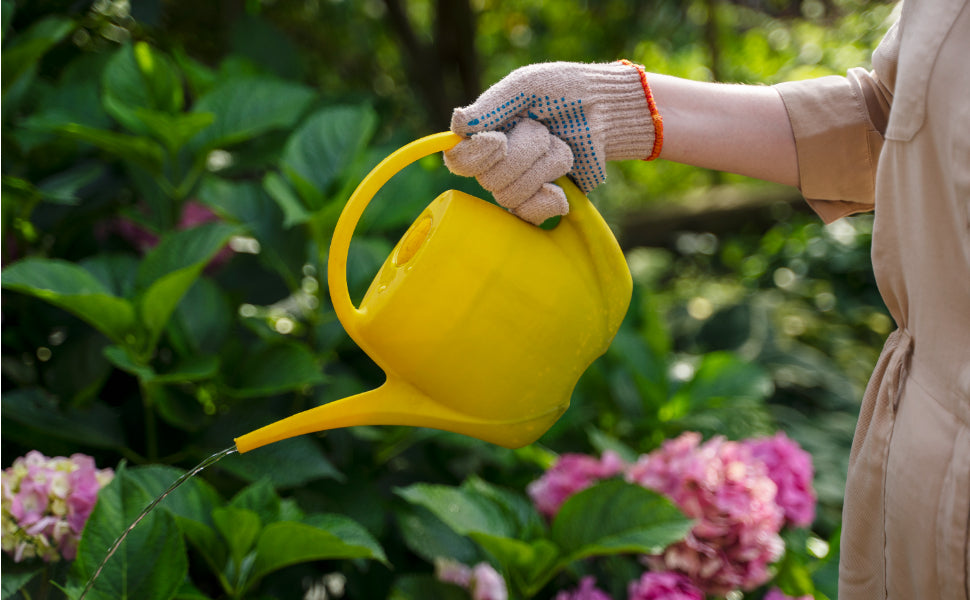
- Tägliche Aufgaben: Gartenarbeit, Kochen (schwere Töpfe), Einkaufen, Putzen.
Die Orthese dient als Schutzschild und absorbiert die Kraft, sodass Ihre verletzte Sehne nicht belastet werden muss.
In Ruhe: Gönnen Sie Ihrem Arm eine Pause.
Wann entfernen? Wenn Sie sich ausruhen und Ihren Arm nicht benutzen, sollten Sie die Orthese im Allgemeinen abnehmen.
Das Tragen der Orthese rund um die Uhr wird nicht empfohlen, da dies zu einer Abhängigkeit der Muskulatur führen und die für die Heilung notwendige Durchblutung beeinträchtigen kann. Ihr Körper benötigt Phasen ohne Orthese, um eine Schwächung der Unterarmmuskulatur zu vermeiden.
Während des Schlafs: Ein differenzierter Ansatz
Dies ist einer der häufigsten Punkte, an denen Verwirrung entsteht, da online widersprüchliche Ratschläge zu finden sind. Hier ist ein übersichtlicher Entscheidungsbaum:
- Allgemeine Regel: Tragen Sie die Gegenkraftorthese nicht im Schlaf. Sie bietet keinen nennenswerten Nutzen für einen ruhenden Arm und kann Nerven einklemmen oder die Blutzirkulation beeinträchtigen, wenn Sie eine ungünstige Position einnehmen.
- Die Ausnahme: Bei starken, pochenden Schmerzen weckt dich ständig aufSie sollten mit einem Arzt oder Physiotherapeuten sprechen. Dieser kann Ihnen eine andere Art der Unterstützung für die Nacht empfehlen, beispielsweise eine neutrale Handgelenkschiene, die verhindert, dass sich Ihr Handgelenk im Schlaf abknickt und die Ellbogensehnen zusätzlich belastet.
Falls Nachtwäsche empfohlen wird, ist eine Bandage aus atmungsaktiven, weichkantigen Materialien unerlässlich, um den Tragekomfort zu gewährleisten und Hautirritationen zu minimieren.

Langfristige Heilung: Ein stufenweiser Ansatz zur Verwendung von Orthesen
Die Heilung eines Tennisarms ist ein Marathon, kein Sprint, und dauert oft 6 bis 12 Monate. Die Verwendung Ihrer Armorthese sollte dem Heilungsprozess angepasst werden.
Phase 1: Die akute Phase & Schutzphase (Erste 2-6 Wochen)
In der ersten, schmerzhaftesten Phase ist Konsequenz gefragt. Tragen Sie Ihre Bandage konsequent bei allen Aktivitäten, die die Schmerzen verschlimmern und die Sie nicht vermeiden können. Ziel ist es, die Entzündung zu lindern und die Sehne vor weiteren Verletzungen zu schützen.
Phase 2: Die Stärkung & Progressionsphase (Wochen 6-12+)
Sobald Ihre Schmerzen nachlassen und Sie mit den physiotherapeutischen Übungen beginnen, wird der Einsatz Ihrer Orthese gezielter.
- Trage es für Aufgaben mittleren bis hohen Schwierigkeitsgrades oder neue Aktivitäten.
- Versuchen Sie es auszuführen Leichte, schmerzfreie Alltagsaktivitäten ohne diese, um die natürliche Kraft wieder aufzubauen.
- Wichtig: Entfernen Sie die Bandage während Ihrer Kräftigungs- und Dehnübungen. Dadurch kann die Sehne optimal belastet und trainiert werden, was für eine langfristige Heilung unerlässlich ist.
Phase 3: Die Entwöhnung & Präventionsphase
Sobald Sie die meisten alltäglichen Aktivitäten schmerzfrei ausführen können, ist es an der Zeit, die Orthese schrittweise abzusetzen.
- Beginnen Sie damit, es nur für die anspruchsvollsten Aktivitäten zu verwenden (e.g(z. B. Ihr wöchentliches Tennisspiel oder ein Tag anstrengender Gartenarbeit).
- Hören Sie auf Ihren Körper. Wenn Sie ein leichtes Ziehen verspüren, ist das ein Zeichen, dass Sie es bei der nächsten Aktivität wieder anziehen sollten.
- Letztendlich benötigen Sie es möglicherweise nur noch zum vorbeugenden Schutz bei risikoreichen Tätigkeiten und tragen es quasi "bevor es zu einem Ausbruch kommt".
Häufig gestellte Fragen: Antworten auf Ihre Fragen zur Orthese
F: Kann man eine Gegenkraftorthese zu lange tragen?
Ja. Übermäßiges Tragen, insbesondere in Ruhephasen, kann zu einer Schwächung der Unterarmmuskulatur und einer Abhängigkeit von der Unterstützung führen. Ziel ist es, die Orthese für sichere Bewegungen und Übungen zu nutzen, wodurch der Arm letztendlich gestärkt wird.
F: Woran merke ich, ob die Orthese tatsächlich funktioniert?
Sie sollten bei auslösenden Aktivitäten eine sofortige Schmerzlinderung verspüren. Falls die Orthese korrekt positioniert ist und die Schmerzen weiterhin stark sind, ist sie möglicherweise nicht die richtige Behandlungsmethode für Ihre Beschwerden. In diesem Fall sollten Sie einen Facharzt für eine genauere Diagnose konsultieren. Es ist außerdem zu überlegen, ob Sie eine Orthese verwenden. Gegenkraftbandage vs. Ellbogenbandageda sie unterschiedliche Arten von Unterstützung bieten.
F: Worin unterscheidet sich das von der Behandlung eines Golferarms?
Das Prinzip ist dasselbe, aber die Schmerzstelle ist anders. Beim Golferellenbogen befindet sich der Schmerz an der innere Teil des Ellbogens, daher befindet sich das Druckpolster der Orthese an der Innenseite des Unterarms. Finden Sie den beste Bandage für Golferellenbogen beinhaltet die gleichen Überlegungen hinsichtlich Passform und Tragekomfort.
F: Spielt die Qualität der Orthese bei langfristiger Anwendung eine Rolle?
Absolut. Ihre Fähigkeit, diesen Genesungsplan einzuhalten, hängt maßgeblich von Ihrer Mitarbeit ab, und diese wiederum von Ihrem Wohlbefinden und Ihrer Zuverlässigkeit. Ein hochwertiges Gegenkraftbandage für Tennisarm Sie verfügt über strapazierfähige Riemen, die einen gleichmäßigen Druck gewährleisten, feuchtigkeitsableitende Materialien, die Hautirritationen bei längeren Aktivitäten vorbeugen, und ein ergonomisches Design, das ein Verrutschen verhindert. So können Sie sie tragen, wann und so lange Sie sie brauchen, ohne dass sie stört.
Ihr Partner für eine sichere Genesung
Die Behandlung einer Ellbogenentzündung erfordert ein kluges und aktives Vorgehen. Indem Sie genau wissen, wann und wie lange Sie Ihre Bandage tragen sollten, können Sie Ihren Heilungsprozess aktiv mitgestalten. Es geht nicht nur darum, die Schmerzen zu lindern, sondern darum, ein geschütztes Umfeld zu schaffen, in dem sich Ihr Körper regenerieren kann, während Sie Ihren Alltag ungestört fortsetzen.
Eine gut gestaltete Orthese ist ein entscheidender Bestandteil dieser Strategie. Der Komfort, die Haltbarkeit und die präzise Einstellbarkeit von Fivalis Gegenkraftbandage für Tennisarm Sie sind so konzipiert, dass sie die kontinuierliche Anwendung in jeder Phase Ihrer Genesung unterstützen. In Kombination mit einem ganzheitlichen Plan aus Ruhe, Bewegung und korrekter Ergonomie verfügen Sie über die nötigen Mittel, um stärker wiederaufzuerstehen und Ellbogenschmerzen endgültig zu überwinden. Die beste Bandage bei Ellbogenentzündung ist ein wichtiger Schritt auf diesem Weg.