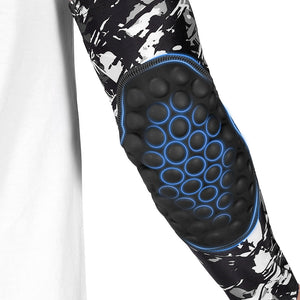
Fivali-Knöchelbandage: Die kluge Investition zur Verletzungsprävention und langfristigen Knöchelgesundheit

Es ist nicht der stechende, anfängliche Schmerz einer Knöchelverstauchung, der bleibt. Es ist das Zögern, das man Wochen später verspürt, bevor man einen schnellen Schritt macht, das leise Gefühl der Unsicherheit auf unebenem Gelände oder die Art und Weise, wie man jede Bordsteinkante gedanklich abwägt. Eine Knöchelverletzung kostet einen nicht nur im Moment etwas; sie untergräbt das Selbstvertrauen und die Freiheit, ein aktives Leben zu führen.
Bei der Auswahl einer Lösung lässt man sich leicht vom Preis blenden. Doch die klügsten Entscheidungsträger blicken über den Tellerrand hinaus. Sie wägen die Anschaffungskosten gegen mögliche zukünftige Arztrechnungen, Arbeitsausfälle und die Frustration einer erneuten Verletzung ab. Eine hochwertige Knöchelbandage ist keine Ausgabe, sondern eine Investition in Ihre langfristige Beweglichkeit und Ihr Wohlbefinden. Fivali wurde genau nach diesem Prinzip entwickelt: optimale Unterstützung zu bieten, die die Knöchelbehandlung von einer rein reaktiven Maßnahme zu einem Eckpfeiler Ihrer aktiven Gesundheit macht.
Die wahren Kosten eines instabilen Sprunggelenks
Knöchelverstauchungen sind unglaublich häufig und betreffen jährlich bis zu 2–3 Millionen Menschen in den USA. Bei jungen Erwachsenen zwischen 15 und 19 Jahren ist die Zahl sogar noch höher. Doch die Folgen reichen weit über eine vorübergehende Unannehmlichkeit hinaus. Bis zu 40 % der Betroffenen entwickeln chronische Beschwerden, was zu einem Teufelskreis aus Instabilität und erneuter Verletzung führt und eine erhebliche Belastung darstellt.
Man stelle sich die Folgewirkung einer einzigen „schweren Verstauchung“ vor:
- Direkte medizinische Kosten: Arztbesuche, Bildgebung, Physiotherapie und verschreibungspflichtige Medikamente.
- Verlorene Zeit: Urlaubstage, abgesagte Pläne und Zeit in der Reha statt Hobbys.
- Reduzierte Aktivität: Die Angst vor einer erneuten Verletzung kann dazu führen, dass man zögert, Sport zu treiben, wandern zu gehen oder auch nur mit seinen Kindern mitzuhalten.
Studien bestätigen, was viele Sportler bereits wissen: Das Tragen einer Knöchelbandage kann das Verletzungsrisiko deutlich senken. Eine Studie ergab, dass Bandagenträger ein um 64 % geringeres Risiko für Knöchelverstauchungen hatten als Sportler ohne Bandage. Mit dieser vorbeugenden Maßnahme erwerben Sie nicht nur eine Ausrüstung, sondern schützen sich vor den damit verbundenen, oft hohen Kosten.
Proaktive Prävention vs. reaktive Behandlung
Abzuwarten, bis eine Verletzung eintritt, bevor man handelt, ist riskant. Proaktive Vorsorge bedeutet, den Fokus von der Problembehebung auf die Prävention zu verlagern. Dieser Ansatz erspart Ihnen nicht nur Schmerzen und Frustration, sondern führt auch zu besseren Langzeitergebnissen.

Eine Knöchelbandage von Fivali fügt sich perfekt in eine proaktive Gesundheitsstrategie ein. Ihr Design bietet, was Experten als „optimale Unterstützung und Kompression“ bezeichnen, was bedeutet, dass sie ein entscheidendes Gleichgewicht erreicht:
- Es schränkt schädliche Bewegungen ein: Halbstarre Orthesen sind nachweislich deutlich wirksamer als Taping, um die gefährliche seitliche Rollbewegung (Inversion) einzuschränken, die die meisten Verstauchungen verursacht.
- Es ermöglicht gesunde Bewegungsabläufe: Im Gegensatz zu übermäßig starren Stützen, die sich wie ein Gipsverband anfühlen können, ermöglicht Fivali die natürliche Auf- und Abwärtsbewegung, die zum Gehen, Laufen und Springen erforderlich ist.
- Es verbessert das Körperbewusstsein: Die Kompression liefert Ihrem Gehirn ständig Rückmeldung über die Position Ihres Knöchels. Diese verbesserte Propriozeption hilft Ihren Muskeln, schneller zu reagieren und so zu verhindern, dass ein Fehltritt zu einer Verletzung führt. Dies ist ein entscheidender Unterschied im Vergleich zu einem Knöchelbandage vs. Knöchelorthese, da eine Strebe einen besseren strukturellen Schutz bietet.
Selbstvertrauen für ein aktives Leben aufbauen
Eine der größten Sorgen vieler Menschen ist, ob die langfristige Verwendung einer Orthese das Sprunggelenk schwächt. Das ist eine berechtigte Frage, doch moderne Forschungsergebnisse deuten darauf hin, dass dies bei korrekter Anwendung einer gut designten Orthese weitgehend ein Mythos ist.Studien haben gezeigt, dass das Tragen einer Orthese die Muskelreaktionszeit nicht negativ beeinflusst.
Statt Abhängigkeit zu erzeugen, stärkt eine Fivali-Bandage das Selbstvertrauen. Der psychologische Nutzen ist genauso wichtig wie der physische. Das Wissen um die Stabilität des Knöchels reduziert die Angst vor erneuten Verletzungen und ermöglicht Ihnen die gewohnte Bewegungsfreiheit und Kraft. Dies gilt insbesondere für Sportler, die eine zuverlässige Bandage suchen. Kompressions-Knöchelbandage das aggressive Bewegungen unterstützt, ohne die Leistung zu beeinträchtigen.
Eine Fivali-Orthese ist keine vorübergehende Krücke, sondern ein nachhaltiges Hilfsmittel für die langfristige Gesundheit. Sie wirkt am besten im Rahmen einer umfassenden Knöchelpflege.
Ihr proaktiver Knöchelgesundheitsplan
- Tragen zur Vorbeugung: Verwenden Sie Ihre Fivali-Bandage bei Aktivitäten, die Ihre Knöchel gefährden – egal ob Basketball, Trailrunning oder ein langer Arbeitstag im Stehen. Sie ist die ultimative Form der Knöchelbandage. Alltags-KnöchelstützeDie
- Unterstützung für die Genesung: Sollten Sie eine leichte Verletzung erleiden, bietet die Bandage die nötige Stabilität und Kompression, um Schwellungen zu reduzieren und die Heilung zu unterstützen, sodass Sie schneller wieder Ihren gewohnten Alltag aufnehmen können. Viele empfinden sie als hilfreich als Achillessehnenentzündungs-Orthese während akuter Krankheitsschübe.
- Stärken und Mobilisieren: Keine Bandage allein ist ein Wundermittel. Kombinieren Sie ihre Anwendung mit einfachen Übungen, um die Kraft, Flexibilität und Beweglichkeit Ihres Knöchels auch dann zu erhalten, wenn Sie sie nicht tragen.
Den richtigen Fivali für Ihre Bedürfnisse finden
Die Wahl der richtigen Bandage ist entscheidend, um diese langfristigen Vorteile zu nutzen. Ihre Entscheidung sollte auf Ihrem Aktivitätsniveau, Ihrer Verletzungshistorie und dem benötigten Stützumfang basieren. Für Sportler empfiehlt sich eine robuste Bandage. Basketball-Knöchelbandage Für dynamische Bewegungen konzipiert, ist es ideal. Für Menschen in der Genesungsphase oder mit chronischen Schmerzen bietet es Halt und Komfort. Achillessehnen-Knöchelbandage könnte besser passen.
Die richtige Größe ist für die Wirksamkeit unerlässlich. Eine zu lockere Bandage bietet nicht genügend Halt, eine zu enge kann die Blutzirkulation beeinträchtigen. Halten Sie sich daher immer an die Größentabelle. Wie man den Knöchelumfang für eine Knöchelbandage misst um Ihnen eine sichere und bequeme Passform zu gewährleisten.
Häufig gestellte Fragen
1. Wie lange kann ich meine Fivali-Knöchelbandage pro Tag tragen?
Zur Vorbeugung bei sportlichen Aktivitäten tragen Sie die Bandage während der gesamten Sport- oder Trainingseinheit. Für die Regeneration oder ganztägige Unterstützung sind unsere Bandagen auf Komfort ausgelegt, dennoch ist es ratsam, der Haut zwischendurch eine Pause zu gönnen. Wenn Sie sich unsicher sind, kontaktieren Sie uns bitte. Wann sollte man eine Knöchelbandage tragen?Hören Sie auf Ihren Körper und konsultieren Sie einen Fachmann, wenn die Schmerzen anhalten.
2. Passt es in meine normalen Schuhe?
Ja, die Knöchelbandagen von Fivali sind so konzipiert, dass sie ein schlankes Profil haben und bequem in die meisten Sport- und Freizeitschuhe passen, ohne dabei übermäßig aufzutragen.
3. Was ist, wenn ich eine chronische Sprunggelenksinstabilität habe?
Fivali-Orthesen sind ein hervorragendes Hilfsmittel zur Behandlung chronischer Instabilität. Die externe Stütze gleicht geschwächte Bänder aus und bietet die nötige Stabilität, um aktiv zu bleiben und weiteren Verstauchungen vorzubeugen. Für eine individuelle Beratung zu Wie man eine Knöchelbandage auswählt Berücksichtigen Sie bei der Auswahl Ihres Gesundheitszustands Ihre spezifischen Bedürfnisse und Aktivitäten.
Eine Investition in eine Fivali-Knöchelbandage zahlt sich aus: weniger Verletzungen, geringere Kosten auf lange Sicht und das unbezahlbare Selbstvertrauen, ein aktives und unbeschwertes Leben zu führen. Reagieren Sie nicht länger nur auf Schmerzen, sondern schützen Sie Ihre Zukunft aktiv.