Beat Joint Pain: Your Guide to Braces, Support, & When to Get Professional Help

With Memorial Day weekend just around the corner, marking the unofficial kickoff to summer, many of us are dusting off our hiking boots, stringing up the tennis rackets, and preparing for backyard sports. But with this sudden spike in outdoor activity often comes a familiar, unwelcome guest: the joint flare-up.
Whether it's a tweak in your knee after a long run or a sudden twinge in your lower back while setting up the patio furniture, that sudden jolt of pain brings an immediate question: Should I just wrap this up and keep moving, or is this something serious?
Knowing the difference between a temporary strain that requires a reliable brace and a serious injury that needs a doctor’s attention is crucial. Using support gear intelligently keeps you active and pain-free, but relying on it when you actually need professional care can delay your healing. Let's break down exactly when to use mechanical support, how to avoid the risks of overuse, and the undeniable signs that it’s time to seek a professional assessment.

Understanding Your Pain: Mechanical vs. Systemic
Before reaching for a brace or calling a clinic, it helps to understand what kind of pain you are experiencing. The vast majority of activity-related joint discomfort is known as mechanical pain.
Think of mechanical pain like a slightly rusty door hinge. It hurts when you load it with weight or move it in certain directions, but it generally feels better when you rest. This type of pain—often caused by minor sprains, strains, or mild osteoarthritis flare-ups—is exactly what mechanical support is designed to help.
On the other hand, systemic or non-mechanical pain might throb constantly, worsen at night when you aren't moving, or be accompanied by swelling that seems out of proportion to your activity level. Understanding this distinction is your first step in building a safe recovery plan.
When to Use Mechanical Support (And How to Do It Responsibly)

If your pain is mechanical, temporary, and manageable, a quality sports brace, wrap, or compression sleeve can be your best friend. The goal of mechanical support is to provide joint stability, reduce load on inflamed tissues, and offer proprioception (the comforting physical sensation that reminds your brain to move that joint carefully).
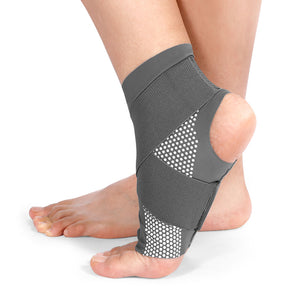
For example, if you are prone to twisting your ankle on uneven summer trails, utilizing weak ankle support via a lightweight sleeve can provide the confidence you need. Similarly, many wonder, are back braces good for lower back pain? The answer is yes, when used for short-term support during heavy lifting or high-strain activities, they can prevent a minor ache from becoming a major spasm.
Likewise, knowing exactly when to wear compression sleeve for tennis elbow can help you manage flare-ups immediately after a vigorous tennis match or a long day of yard work, allowing the inflamed tendons a chance to rest while still letting you go about your day.
The "Brace Lifecycle" and Avoiding Overuse
A common myth is that wearing a brace will automatically make your muscles weak. While it is true that prolonged, 24/7 unsupervised use can lead to muscle dependency, strategic short-term use actually aids healing by allowing you to stay safely active.
To use support responsibly, consider the "Brace Lifecycle":
- The Flare-Up Phase (Days 1-3): Wear the support during daily activities to manage pain and reduce swelling. Combine this with rest, ice, and elevation.
- The Activity Phase (Weeks 1-3): How long should you wear your gear? Many people ask how long should you wear a knee brace in a day. The ideal approach is to transition to wearing it only during activities that stress the joint (like your morning jog or while working on your feet), taking it off while resting.
- The Weaning Phase: As your joint strengthens, gradually reduce your reliance on the brace, perhaps moving from a hinged brace to a simple compression sleeve, until you no longer need it.
Proper fit is also vital. Whether you're securing a knee sleeve or figuring out how tight should a back brace be, it should feel snug and supportive, never painfully restrictive or circulation-cutting.
When to Seek Further Care: Identifying the Red Flags
While braces are fantastic tools for manageable flare-ups, they are not a cure-all for structural damage. Ignoring serious symptoms and simply wrapping them up tighter can lead to chronic instability or worsened injuries.

If you experience any of the following, it is time to skip the self-care and seek professional medical evaluation.
Urgent Symptoms (Go to Urgent Care or the ER)
- A "Popping" Sound or Sensation: If you heard a loud pop during an injury, it often indicates a ligament tear.
- Inability to Bear Weight: If you literally cannot stand on the affected leg or use the affected arm without buckling or severe pain.
- Visible Deformity: If the joint looks misshapen, out of place, or asymmetrical compared to your other side.
- Sudden, Massive Swelling: Swelling that balloons immediately within an hour of an injury suggests internal bleeding within the joint capsule.
- Nerve Symptoms: Numbness, tingling, or a "pins and needles" sensation radiating down your limb.
Non-Urgent, but Requires Professional Assessment
- Persistent Pain: If you've been managing a flare-up with rest and a brace for over a week or two with zero improvement.
- Locking or Catching: If your joint suddenly "locks up" or catches during movement. For example, a knee brace for meniscus tear can offer support, but if a torn cartilage flap is physically jamming your knee joint, a doctor needs to evaluate it.
- Specific Warning Signs: Different joints have unique warning signs. For instance, knowing specific hip pain red flags—such as pain that radiates into the groin or unexplained limping—can help you catch conditions like labral tears or advanced arthritis early.
- Systemic Symptoms: Unexplained fevers, chills, or night sweats accompanying your joint pain are massive red flags for infection or inflammatory conditions.
Integrating Support into a Broader Recovery Plan
If your symptoms don't cross into "red flag" territory, congratulations—you are a great candidate for active self-care! But remember that a brace is just one piece of the puzzle.
To truly banish pain and get back to your active lifestyle, support gear should be used alongside targeted strengthening. A physical therapist can provide exercises that strengthen the muscles around your joint, essentially building an "internal brace" out of your own muscle tissue.
Additionally, ensure your support gear actually fits your body. Ill-fitting braces do more harm than good. Embracing companies that prioritize inclusive sizing—such as finding a properly fitted plus size knee brace—ensures you get the exact compression and stability you need without uncomfortable pinching or slipping.
Frequently Asked Questions (FAQ)
Here are answers to common questions about managing joint pain with support and knowing when to seek professional care:
What's the difference between mechanical and systemic joint pain?
Mechanical pain, often caused by activity-related strains or mild arthritis flare-ups, typically hurts when you move or load the joint but feels better with rest. Systemic or non-mechanical pain, on the other hand, can throb constantly, worsen at night, or be accompanied by swelling disproportionate to your activity, often signaling a more serious underlying issue.
When is it appropriate to use a support brace or compression sleeve?
Mechanical support is ideal for temporary, manageable pain caused by minor sprains, strains, or mild osteoarthritis flare-ups. It helps by providing stability, reducing load on inflamed tissues, and offering a comforting physical reminder to move the joint carefully. Examples include using ankle support for uneven trails or a back brace for short-term help during heavy lifting.
How long should I wear my support gear, and how do I avoid overuse?
Follow the "Brace Lifecycle": initially, wear it during daily activities to manage flare-ups (days 1-3). Then, transition to wearing it only during activities that stress the joint (weeks 1-3), taking it off while resting. As your joint strengthens, gradually reduce reliance on the brace, moving to lighter support until it's no longer needed. Prolonged, 24/7 unsupervised use can lead to muscle dependency, so strategic short-term use is key.
Can I sleep in my brace?
Generally, it's best to remove your support brace at night unless a healthcare professional specifically advises otherwise for certain conditions. This allows your skin to breathe and prevents unnecessary circulation restriction while you are inactive.
How do I know what kind of brace to buy?
Stick to the basics: compression sleeves offer mild swelling control and warmth, wraps provide adjustable compression, and hinged or rigid braces are for moderate instability. Start with lighter support; you can always opt for more rigid support if your needs change. Ensure it fits snugly and supportively without being painfully restrictive.
What are the immediate red flags that require urgent medical attention?
Seek urgent care if you experience a "popping" sound during injury, inability to bear weight on the affected limb, visible deformity of the joint, sudden and massive swelling (within an hour), or nerve symptoms like numbness or tingling radiating down your limb.
When should I seek professional assessment even if it's not an emergency?
Consult a professional if you have persistent pain that doesn't improve after a week or two of self-care, if your joint locks up or catches during movement (like with a meniscus tear), if you notice specific warning signs for certain joints (e.g., hip pain radiating into the groin), or if you experience systemic symptoms like unexplained fevers, chills, or night sweats alongside your joint pain.
Is it normal for my pain to move around?
Yes, often. When one joint is injured, we may subconsciously alter our gait or posture to protect it. This compensatory movement can lead to secondary aches in other areas, such as your lower back hurting because you're limping on a sore knee. Proper support can help normalize your movement and prevent these secondary pains.
How does proper brace fit contribute to effective recovery?
Proper fit is crucial for a brace to be effective. An ill-fitting brace can do more harm than good, failing to provide adequate support or causing discomfort, pinching, or restricted circulation. Choosing inclusive sizing, such as a properly fitted plus size knee brace, ensures you receive the precise compression and stability necessary for effective healing.
Your Next Steps Toward Pain-Free Movement
Ultimately, the goal isn't just to mask the pain—it’s to safely empower your active lifestyle. By understanding the timing of mechanical support, recognizing the dangers of over-reliance, and knowing the exact signs that require professional care, you put yourself in the driver's seat of your own recovery.
As we head into the beautiful summer months, listen to your body. Give it the support it needs during those tough miles, take the gear off when you're relaxing on the patio, and never hesitate to call a professional if something feels truly wrong. Here’s to a healthy, active, and pain-free season!