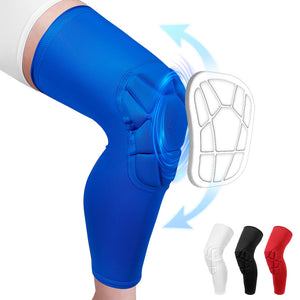
ACL Brace for Sports
- Black
- Green
- Orange
- Pink
- Black
- Blue
- Green
- Red
- Orange
- Blue
- Dark Blue
- Black
- White
- Red
- Blue
- Black
- Blue
- Red
- Orange
- Yellow
- Black
- Blue
- Green
- Red
- Blue
- Black
- White
- Red
- Dark Blue
- Grey
- Black
- Blue
- Pink
- Grey
- Black
- White
- Light Black
- Black
- Light Grey
- Grey
- Magenta
- Black
- Green
- Black
- Grey
- Red
- Blue
Can You Play Sports with an ACL Injury?
If you have recently heard that dreaded "pop" in your knee during a basketball game, soccer match, or weekend run, you are likely asking yourself a very common question: Can you play sports with an ACL injury? The short and definitive answer is that you must stop exercising immediately after suffering any trauma to your anterior cruciate ligament. Athletes are often tempted to "walk it off," but pushing through the discomfort is incredibly dangerous and can derail long-term athletic goals.
Why You Must Stop Exercising Immediately
In the early stages of an anterior cruciate ligament tear or severe sprain, your body will naturally react with intense swelling, inflammation, and sharp knee pain. Resuming exercise or trying to return to your sport right away will almost certainly aggravate the injury.
Continuing to bear heavy weight, run, or make sudden pivoting movements can lead to increased internal bleeding, debilitating pain, and extreme knee instability. Furthermore, playing on a compromised ligament drastically increases the risk of causing secondary damage to the surrounding cartilage and meniscus. To protect your mobility, you must step off the court or field immediately after the injury.
Starting Your Torn ACL Recovery Journey
Once you have received a proper diagnosis and treatment—whether your path involves non-operative care or post-ACL reconstruction surgery—the rebuilding phase can begin. Perform all rehabilitation exercises strictly under the guidance of a physical therapist or other certified medical professional.
Your recovery protocol will start with gentle, low-impact movements. Simple routines, such as controlled knee flexion and extension, are critical during the early stages of healing. These targeted mobility therapies help prevent painful joint adhesions (the buildup of stiff scar tissue) and combat muscle atrophy in your quadriceps and hamstrings, helping your leg retain foundational strength while the ligament heals.
Returning to Sports: How to Safely Resume Physical Activity
As your recovery progresses, swelling subsides, and your range of motion improves, you and your physical therapist will gradually increase exercise intensity. Transitioning from basic stretches to light jogging, agility drills, and eventually sport-specific training requires patience and the right supportive equipment.
During this critical transition period, wear a high-quality knee brace to protect the knee joint from unexpected tweaks. Specifically, utilizing a reliable ACL brace for sports can make a massive difference in an athlete's confidence and physical safety. This specialized joint support actively reduces rotational and lateral knee instability, keeping your leg perfectly aligned during dynamic movements. By providing structural reinforcement, the brace effectively prevents further ligament tearing or dangerous knee dislocation as you get back into your athletic groove.
Tips for Maintaining Long-Term Knee Stability
Beyond protective gear, returning to competition requires a holistic approach to joint health. Strengthening the muscles surrounding the knee, improving your balance, and refining your jumping and landing mechanics are all essential steps to prevent reinjury. Always prioritize a thorough, dynamic warm-up routine before hitting the gym or the playing field to ensure your ligaments and muscles are fully primed for action.
While an ACL injury is undoubtedly a frustrating setback, it does not mean your days of playing sports are over. By prioritizing immediate rest, committing fully to your physical therapy routine, and using proper external joint support, you can safely return to the activities you love with confidence.