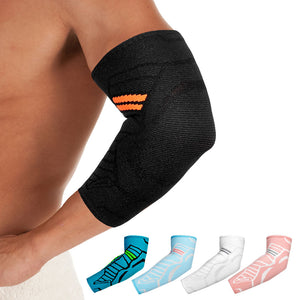
Ankle and Calf Compression Sleeve
- Black
- Grey
- Blue
- Pink
- Purple
- Black
- Orange
- Green
- Pink
- Black
- Red
- Blue
- Orange
Do Calf Compression Sleeves Help Ankle Swelling?
If you frequently experience swollen ankles after a long day of standing, traveling, or pushing through a tough workout, you are likely searching for a fast and effective relief strategy. The short answer is yes—calf compression sleeves can indeed help reduce ankle swelling to a significant extent.
Whether you are dealing with everyday fluid retention or recovering from a minor strain, understanding how these sleeves work can help you make better decisions for your lower leg health. By strategically applying pressure, supporting muscles, and limiting inflammation, this popular wearable gear tackles swelling from multiple angles.
Understanding How Compression Therapy Combats Edema
Ankle swelling, often referred to as peripheral edema, happens when excess fluid gets trapped in your body's lower tissues. Because gravity naturally pulls blood and fluid down toward your feet, getting that fluid back up your legs requires a little extra help. Here is exactly how calf sleeves step in to solve the problem.
Boosting Circulation and Venous Return
The core technology behind these sleeves relies on graduated pressure. This means the tightness is typically highest right at the base near the ankle and gradually decreases as the fabric moves up your calf towards the knee.
By utilizing this graduated design, the sleeve acts like a gentle pump. It helps to push deoxygenated blood and pooled fluids in the lower extremities back upward towards the heart. Improved blood circulation ensures that fluid accumulated in the tissues around the joint—due to prolonged standing, sitting at a desk, or general fatigue—is effectively flushed out. The better your circulation, the faster the swelling goes down.
Enhancing Lower Leg Support and Kinetic Stability
While a sleeve is primarily worn over the meaty part of the lower leg, its benefits extend straight down to the ankle joint. Muscles, tendons, and ligaments all operate within a connected kinetic chain. The firm squeeze provides a high level of stability to the calf muscles and surrounding soft tissues, significantly reducing muscle oscillation and vibration with every step you take.
When your calf muscles are correctly stabilized and supported, your body can maintain a more even distribution of weight. This minimizes the excessive, abnormal stress placed on the joints below. While a sleeve does a fantastic job of supporting the leg overall, someone dealing with targeted joint weakness might also benefit from wearing an ankle compression brace to ensure the joint mechanics are fully stabilized against rolling or twisting.
Combating Tissue Inflammation
Gentle, continuous pressure from a sleeve yields a notable anti-inflammatory effect. When your tissues are irritated or micro-injured from overuse, your blood vessels often leak fluid into the surrounding areas, causing a visibly puffy ankle. Compression physically limits the amount of space available for this fluid to pool, preventing excessive leakage from occurring in the first place.
By stopping this fluid buildup and soothing the associated inflammation, the swelling naturally subsides. However, for active individuals suffering from direct trauma like a recent sprain, combining the benefits of a calf sleeve with a dedicated compression support ankle brace can provide the exact localized pressure needed to keep acute joint inflammation under control while navigating daily activities.
Common Triggers for Swollen Ankles
To get the most out of your recovery routine, it is helpful to understand what is driving the swelling. Calf sleeves are highly effective for managing symptoms caused by:
- Prolonged Standing or Sitting: Retail workers, nurses, office workers, and truck drivers frequently experience blood pooling due to a lack of dynamic movement throughout the day.
- Travel-Induced Swelling: Long flights or cross-country road trips severely limit leg movement, making compression wear a travel essential for preventing heavy, puffy lower legs.
- Athletic Overuse: Runners, hikers, and weekend warriors often deal with exercise-induced inflammation.
- Mild Sprains and Strains: Recovery from minor tweaks often involves fluid retention as the body heals itself. In these localized injury scenarios, swapping to or layering with a compression ankle support brace offers the precise joint-hugging relief required for a safe recovery.
Important Considerations and When to Seek Help
While compressive sleeves and supportive wraps are fantastic tools for everyday swelling, fatigue, and minor activity-related aches, they are not a universal cure for all conditions.
Proper sizing is absolutely crucial. A sleeve that is too tight can act like a tourniquet and actually cut off circulation, making the problem worse. Conversely, one that is too loose will not provide the intended benefits. Always measure your leg carefully according to standard sizing charts to ensure a perfect fit.
Severe or sudden swelling should never be ignored. If your swollen ankles are accompanied by severe pain, skin discoloration, warmth to the touch, or difficulty walking, it is vital to seek professional advice from a healthcare provider immediately. Deep vein thrombosis (DVT), major bone fractures, or underlying systemic conditions require targeted, specialized treatments that go far beyond standard compression wear.