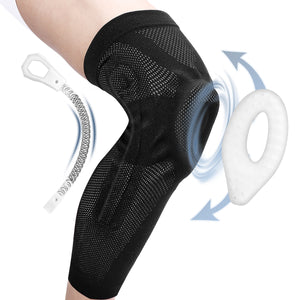
Ankle Brace For Peroneal Tendonitis
- Black
- Grey
- Blue
- Pink
- Purple
- Black
- Red
- Blue
- Orange
- Black
- Orange
- Green
- Pink
What not to do with peroneal tendonitis?
Experiencing a sharp, aching pain on the outside of your ankle and foot? You are likely dealing with peroneal tendonitis, a common condition caused by the inflammation of the tendons that run down the outer calf and along the outside of the ankle. Whether you are an avid runner, a weekend warrior, or someone who spends long hours standing at work, healing requires a careful approach.
While knowing how to treat this condition is important, knowing what activities to avoid is arguably the most critical factor in achieving a fast and effective recovery. When dealing with outer foot and lateral ankle pain, making the wrong lifestyle choices can easily worsen the inflammation, increase your recovery time, and lead to chronic discomfort.
Here is a comprehensive guide on the critical mistakes to avoid and what you should absolutely not do when navigating your recovery.
7 Things to Avoid When Healing Peroneal Tendons
1. Do Not Push Through the Pain (Avoid Overuse or Strain)
One of the biggest mistakes you can make is subscribing to the "no pain, no gain" mentality. Avoid pushing through discomfort or continuing intense activities that put a heavy load on your lower extremities. Repeatedly stressing the peroneal tendons through long-distance running, jumping, or repetitive lifting will only lead to increased inflammation and micro-tears in the tissue. Overusing already compromised tendons severely slows down your body's natural healing timeline. If it hurts, stop.
2. Never Skip Rest and Recovery Time
Rest is the foundation of any successful tendon recovery plan. Ignoring your body's need for downtime will only prolong your suffering. You should actively avoid standing in one place for extended periods or performing daily chores that place relentless strain on your ankle joint. Give your foot adequate time to rest, elevate your leg to reduce swelling when possible, and ensure the tendon has recovered significantly before you even think about returning to your full activity levels.
3. Steer Clear of Walking on Uneven Surfaces
Your peroneal tendons are primarily responsible for stabilizing your foot and protecting you from ankle sprains. Therefore, steering clear of uneven, rocky, or unstable surfaces is mandatory to prevent further stress. Walking on hiking trails, gravel driveways, cobblestone streets, or even soft sandy beaches forces these tendons to work overtime to keep you balanced. Navigating these unpredictable surfaces can easily exacerbate your pain, trigger unexpected ankle rolls, and set your healing process back by weeks.
4. Ditch Unsupportive Footwear (and Stop Walking Barefoot)
Your choice of footwear plays a massive role in foot biomechanics. Avoid wearing shoes that lack proper arch support, firm heel counters, or adequate shock absorption—this means putting away the flimsy flip-flops, worn-out sneakers, and completely flat dress shoes. Furthermore, walking barefoot on hard hardwood or tile floors at home can be incredibly damaging. Footwear that doesn’t provide structural stability can worsen the condition by forcing your foot into misalignment and stretching the inflamed tendons with every step.
5. Avoid High-Impact Exercises and Sports
High-impact activities generate massive shockwaves through your feet and lower legs. Running on hard concrete, doing plyometric box jumps, or playing agility-heavy sports like basketball, tennis, or soccer can severely exacerbate the condition due to sudden, explosive directional changes. Instead of risking further injury, protect your cardiovascular fitness by opting for safe, low-impact exercises. Swimming, using an elliptical machine, or riding a stationary bicycle are excellent ways to stay active without putting localized strain on your ankles.
6. Do Not Ignore Proper Warm-Up and Stretching Routines
Jumping straight into physical activity with cold, tight muscles is a recipe for disaster. Before any workout, or even a long walk, avoid the temptation to skip a proper warm-up and stretching routine. Tight calf muscles pull directly on the foot-and-ankle complex, adding unnecessary tension to the peroneal area. Gently and consistently stretching the calf muscles, Achilles tendon, and ankle joints improves flexibility and helps prevent further strain on the delicate tendons.
7. Don’t Forget to Stabilize the Area with Proper Support
Leaving a healing tendon completely unprotected during your daily routine leaves you vulnerable to accidental tweaks and twists. Utilizing an ankle brace for tendonitis can provide essential compression, stabilize the ankle joint, and physically prevent the excessive side-to-side motion that irritates the outer foot. Specifically, wearing a dedicated ankle brace for peroneal tendonitis limits overpronation and supination, heavily reducing strain during daily activities. It also provides excellent structural support during your resting periods, keeping the foot in an optimal healing position.
Effectively Managing Your Recovery Journey
To manage this frustrating condition effectively, you must be vigilant about avoiding habits, terrain, and activities that directly stress the affected area. Healing requires patience, activity modification, and the right physical support. By eliminating high-impact stress and wearing reliable ankle braces for peroneal tendonitis, you can provide your body with the structural support it desperately needs, greatly reducing daily discomfort and ensuring a much smoother, faster recovery.