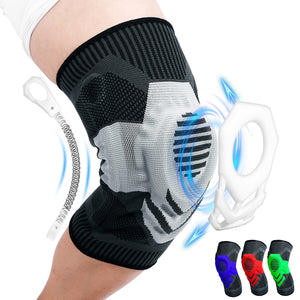
Ankle Brace For Plantar Fasciitis
- Black
- Orange
- Green
- Pink
- Black
- Grey
- Blue
- Pink
- Purple
- Black
- Red
- Blue
- Orange
Should I wrap my ankle if I have plantar fasciitis?
If you are waking up with sharp, stabbing heel pain or experiencing discomfort after prolonged standing, you are likely dealing with plantar fasciitis. This common foot condition involves the inflammation of the thick band of tissue running across the bottom of your foot. When searching for at-home heel pain relief, many people wonder if standard athletic taping or wrapping their foot with an elastic bandage is the right move.
Wrapping your ankle for plantar fasciitis is not generally recommended unless specifically advised by a healthcare professional. While it may seem like a quick fix, standard wrapping techniques often fail to provide the targeted support required to treat the underlying inflammation.
The Problem with Traditional Ankle Wrapping
When you try to manage heel and arch pain by wrapping the area yourself, you risk wrapping it too tightly or improperly. An incorrect wrap can restrict healthy blood flow, increase discomfort, and fail to support the plantar fascia. Furthermore, standard elastic bandages are designed for generalized compression, making them better suited to mild sprains rather than to the specific biomechanical needs of an inflamed arch.
Why You Should Consider an Ankle Brace Instead
Instead of relying on guesswork with bandages, using an ankle brace for plantar fasciitis is a far more effective and reliable option. These specialized supports are specifically engineered to tackle the root causes of arch and heel pain.
An ankle brace designed for this condition provides structured, targeted support to the foot-and-ankle complex. By doing so, it helps stabilize the arch and significantly reduces the daily strain on the plantar fascia.
Key Benefits of Specialized Support
- Targeted Compression: Unlike standard wraps, a high-quality brace offers gentle, graduated compression exactly where you need it. This targeted pressure is highly effective at reducing swelling, minimizing morning foot pain, and easing overall inflammation.
- Proper Foot Alignment: Maintaining correct alignment is key to healing. A dedicated brace keeps your foot in an optimal position, preventing it from rolling inward (overpronation), which can worsen microtears in your plantar fascia.
- Consistent Relief: A brace provides uniform support throughout the day, ensuring that the therapeutic benefits do not loosen or shift as you move, which often happens with standard wrapping.
Additional At-Home Treatments for Plantar Fasciitis
While wearing the correct support is a massive step toward recovery, combining it with other holistic foot care strategies will yield the best results for your recovery journey.
Utilize Orthotics and Insoles
In addition to wearing a brace, you should strongly consider using orthotic inserts or specialized insoles. Placing these in your daily footwear provides extra arch support and shock absorption, helping cushion your heel bone against hard surfaces.
Adjust Your Activity Levels
To facilitate proper healing, temporarily avoid high-impact activities that exacerbate the condition, such as running, jumping, or prolonged walking on hard pavement. Opt for low-impact exercises like swimming or cycling until the inflammation subsides.
Stretching and Icing
Incorporate daily calf and Achilles tendon stretching into your routine. Tight calf muscles can pull on the heel bone, directly stressing the plantar fascia. Rolling your foot over a frozen water bottle for 10 to 15 minutes a day can also provide immediate, soothing relief to inflamed tissues.
While traditional wrapping might not be the best approach to combating heel pain, utilizing targeted compression, upgrading your footwear support, and giving your feet time to rest can help you get back on your feet comfortably and safely. If your symptoms persist or worsen, always consult with a local healthcare professional or podiatrist to explore a customized treatment plan.