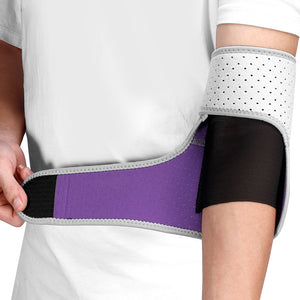
Ankle Brace For Supination
- Black
- Orange
- Green
- Pink
- Black
- Grey
- Blue
- Pink
- Purple
- Black
- Red
- Blue
- Orange
What Is a Supination Injury of the Ankle?
In human biomechanics, supination refers to the normal outward rolling movement of the foot, where the sole turns inward or upward as you bear weight. While a certain degree of this natural motion is entirely necessary for walking and running, an injury typically occurs when an excessive supination force is abruptly applied to the ankle joint.
This abnormal, forceful movement—frequently referred to as a "rolled ankle" or a lateral ankle sprain—can happen quite unexpectedly. It most often occurs during activities such as walking or hiking on an uneven surface, executing a sudden twisting motion while running, or engaging in agility-focused sports that demand rapid, explosive changes in direction. When the foot rolls too far outward, it can overstretch, tear, or otherwise damage the ligaments and tendons that stabilize the ankle.
Understanding the Biomechanics of an Ankle Roll
To prevent future trauma, understanding the mechanics of ankle supination is vital. When your foot forcefully supinates, the bulk of your body weight rapidly shifts to the outer edges of your foot. This excessive strain overloads the lateral ligaments connecting your ankle bones. If you step awkwardly off a curb, land improperly after a jump in basketball, or lose your footing on a trail, the resulting pressure can push the joint beyond its normal range of motion, causing an immediate structural injury.
Common Symptoms of a Supination Injury
Identifying a rolled ankle early on can significantly improve your recovery timeline and help you seek the right care. If you have experienced a forceful outward roll of the foot, you will likely notice several distinct symptoms:
Immediate and Persistent Pain
There is usually immediate, sharp pain on the outside of the ankle at the exact moment of injury. This lateral foot pain may persist and noticeably worsen with any type of movement, joint rotation, or weight-bearing activity.
Rapid Swelling and Inflammation
The affected ankle often swells rapidly within the first few hours. This is the body's natural defense mechanism, driven by localized inflammation and internal bleeding from the damaged soft tissues beneath the skin.
Visible Bruising and Discoloration
Bruises may appear around the ankle area over the following hours or days. This occurs as blood leaks from the injured microvessels, often pooling around the outer ankle bone and occasionally traveling down toward the heel or toes due to gravity.
Stiffness and Difficulty with Movement
Patients frequently experience profound stiffness, making it challenging to move the joint through its normal range of motion. You may find everyday tasks like walking, jogging, climbing stairs, or even gently flexing and extending your foot incredibly difficult.
Effective Treatment and Recovery Strategies
Proper, immediate care following a supination injury is essential for achieving a full recovery. Following standard first-aid protocols, such as the RICE method (Rest, Ice, Compression, Elevation), helps minimize tissue damage and jumpstarts the healing process.
Rest and Activity Modification
It is crucial to immediately stop any activities that put physical stress on the affected leg. Limiting weight-bearing and allowing your body time to initiate the biological healing process helps prevent further structural damage to the already vulnerable ligaments, tendons, or bones. Using crutches temporarily can be a smart way to offload weight from the joint.
Targeted Compression
Applying gentle, consistent pressure to the injured area is highly recommended for pain relief and recovery. Using a reliable ankle bandage for sprain to wrap the joint snugly can help control severe swelling by reducing the accumulation of excess fluid in the localized tissues. However, it is essential not to wrap the foot too tightly, as excessive constriction could impede healthy blood circulation, which your body desperately needs for tissue repair.
Ice and Elevation
In addition to rest and compression, keeping the foot elevated above heart level can dramatically reduce fluid buildup. Applying ice wrapped in a thin towel for 15 to 20 minutes at a time will further decrease inflammation and help numb the sharp, throbbing pain.
Physical Therapy and Strength Training
Once the initial pain and acute swelling have subsided, rehabilitating the joint becomes your top priority. Strength training and targeted exercises for the muscles surrounding the lower leg are crucial for restoring full mobility and maintaining long-term stability.
Resistance Band Work
Using elastic resistance bands is highly effective for rebuilding strength. This involves performing controlled eversion and inversion exercises—slowly moving the sole of the foot inward and outward against the band's tension. This reinforces the lateral muscles that were stretched during the initial supination injury.
Calf Raises and Balance Training
Calf raises, performed on both a single leg and both legs, are incredibly beneficial. They engage and strengthen the gastrocnemius and soleus muscles, providing robust structural support to the ankle joint. Additionally, integrating balance exercises (like standing on one leg) helps restore proprioception, training your body to react instinctively to uneven terrain in the future.
Seeking Professional Guidance
It is important to remember that every physical recovery plan should be tailored to the individual's specific injury grade and lifestyle goals. Treatment should ideally be guided by a certified medical professional, such as a doctor, orthopedic specialist, or physical therapist. Regular follow-up appointments are typically necessary to monitor your structural healing progress, transition through different rehabilitation phases, and make safe adjustments to the treatment approach as needed. Taking the proper steps today ensures a stronger, more stable ankle tomorrow.