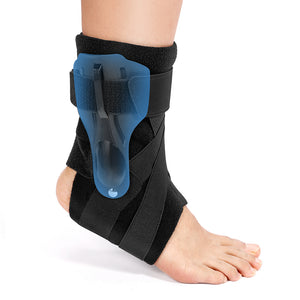
Ankle Foot Orthosis Types
- Black
- Grey
- Blue
- Pink
- Purple
- Black
- Red
- Blue
- Orange
- Black
- Orange
- Green
- Pink
What are the three types of orthosis?
When dealing with musculoskeletal issues, joint instability, or recovering from a severe injury, orthopedic support plays a crucial role in rehabilitation and daily comfort. Orthoses are specialized devices applied externally to the body to modify the structural and functional characteristics of the neuromuscular and skeletal systems. Whether you are addressing chronic pain, muscle weakness, or post-surgical recovery, understanding the right type of support is essential for achieving the best outcome.
These orthotic devices fall into three primary categories based on how they function and the specific body parts they target.
1. Static Orthosis
A static orthosis serves one primary purpose: to provide absolute support, stabilization, and immobilization without allowing any joint movement. By holding a specific body part in a rigid, neutral position, these devices alleviate pain, reduce inflammation, limit tissue stress, and prevent further damage. They are incredibly common in emergency care, fracture management, and post-operative recovery settings.
For instance, a rigid wrist splint worn after a severe sprain is a classic static device. In lower extremity care, a static ankle foot orthosis (AFO) is frequently prescribed to keep the foot and lower leg in a fixed, 90-degree position. This firm stabilization is vital for patients healing from acute trauma, Achilles tendon repairs, or severe contractures, ensuring the affected anatomical area remains safely protected while the tissues heal naturally.
2. Dynamic Orthosis
Unlike rigid supports, a dynamic orthosis is explicitly designed to allow for controlled, guided movement. The goal here is to promote active rehabilitation, assist with mobility, and prevent joint stiffness while still providing a safe boundary of structural support. These devices often incorporate flexible materials, hinges, elastic bands, or springs that apply a gentle, prolonged stretch to stiff joints or assist weak muscles through a specific range of motion.
Physical therapists often recommend dynamic options to prevent muscle atrophy and improve flexibility during the sub-acute phase of healing. A prime example is a hinged or dynamic ankle foot orthosis that permits a safe degree of plantarflexion or dorsiflexion. This controlled mobility allows patients to begin weight-bearing exercises and practice walking safely, making it a critical tool for progressive physical therapy and gait retraining.
3. Functional Orthosis
A functional orthosis aims to directly enhance your daily movement and improve overall physical functionality. These are typically prescribed for individuals dealing with chronic conditions, neurological disorders, or long-term mobility challenges where active movement is necessary, but the joint still requires supplemental structural alignment and support to operate correctly.
These supports actively assist in joint or limb alignment during everyday tasks like walking, running, or climbing stairs. For example, individuals suffering from nerve damage, multiple sclerosis, or stroke recovery often struggle with foot drop—a condition making it difficult to lift the front part of the foot. A properly fitted functional ankle foot orthosis (AFO) can actively assist in lifting the toe during the swing phase of walking. This dramatically improves gait mechanics, reduces the risk of tripping, and restores the user's independence in their daily environment.
Exploring Custom Orthotic Solutions for Your Needs
Because every injury, body shape, and anatomical structure is unique, no single support device is a universal fix. Each orthotic solution must be carefully tailored to the individual's specific biomechanical needs, lifestyle, and physical rehabilitation goals.
The wide variety of ankle-foot orthosis types showcases how diverse these tools can be—ranging from maximum stability supports for bed-bound patients to highly responsive, energy-returning designs for active individuals wanting to maintain their mobility. Whether you are seeking relief from chronic joint instability, looking for gait assistance, or needing pediatric orthopedics, consulting with a certified orthotist or healthcare provider is the best way to determine which of these three categories perfectly aligns with your health journey.