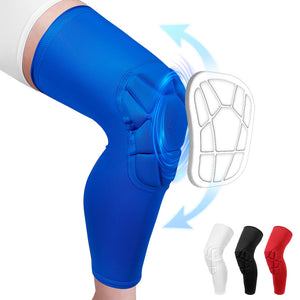
Ankle Guards
- Black
- Grey
- Blue
- Pink
- Purple
- Black
- Orange
- Green
- Pink
- Black
- Red
- Blue
- Orange
How do you put on shin guards with ankle support?
Wearing proper protective gear is absolutely crucial for athletes participating in high-impact contact sports like soccer, field hockey, and rugby. Among the most important pieces of equipment are shin guards with ankle support. This specialized gear provides comprehensive protection against aggressive tackles, stray sticks, and rogue cleats. Putting on your shin guards correctly not only prevents painful injuries and bruising but also ensures that you maintain maximum comfort and agility on the field.
If you are wondering how to properly secure your athletic equipment for a seamless fit, here is an in-depth, simple guide to getting it right every time.
Why Shin Guards with Ankle Support Are Essential for Athletes
Before diving into the steps, it is helpful to understand why this specific style of protective pad is so highly recommended. Unlike standard slip-in pads, shin guards with built-in ankle protection feature a stirrup design that hugs the bottom of the foot, along with extra padding that wraps around the vulnerable ankle bones (the malleolus). This design significantly reduces the risk of ankle sprains, bone contusions, and scrapes, making it the top choice for youth players, defensive specialists, and anyone seeking superior lower-leg protection.
Step-by-Step Guide to Putting On Your Shin Guards
Follow these straightforward steps to ensure your leg protection fits securely and functions flawlessly during gameplay.
1. Prepare Your Protective Gear
Before heading out to the pitch, inspect your equipment. Ensure that your shin guards are clean, dry, and free from any dirt or debris that could cause skin irritation. Check the attached ankle padding to ensure it is not twisted and that all velcro straps are functioning properly.
2. Position the Shin Guard Correctly
Sit down and slide your foot through the stirrup strap located at the bottom of the gear. Pull the pad up your leg. Place the hard outer shell directly against your lower leg, ensuring it fully covers the center of the shin area. The guard should sit comfortably in the space between the bottom of your kneecap and the top of your foot. The thickest, most protective part of the shield must cover the front of the tibia (shin bone) directly.
3. Align the Ankle Support
If your shin guards feature built-in lower padding, making sure the ankle guards are properly aligned with your ankle joint is a vital step. The padded discs or cups should rest perfectly over both the inner and outer sides of your ankle bone. They are designed to provide robust support and shock absorption without restricting your natural running mechanics or ankle flexion.
4. Secure the Straps Carefully
Most comprehensive shin guards come equipped with elastic straps or Velcro closures near the top. Fasten these straps securely just below the back of the knee and around the upper calf muscle. Tighten them enough to ensure the shin guard stays locked in place during a dead sprint, but avoid pulling them excessively tight. Over-tightening can restrict blood circulation and lead to severe calf cramping during a match.
If your gear features additional adjustable ankle straps, secure those as well to lock the heel and ankle into place, granting extra stability.
5. Adjust for Maximum Comfort
Once all closures are fastened, smooth out any wrinkles in the fabric. Make minor adjustments to ensure the entire piece sits flush against your leg without digging into your skin or causing pressure points. The ankle support should feel incredibly snug, acting like a gentle hug for your lower leg, but it should never feel restrictive or painful.
6. Test Your On-Field Mobility
Never step onto the playing field without first testing your range of motion. Stand up, walk around, jog in place, and mimic athletic movements like passing a soccer ball or changing directions quickly. Pay close attention to whether the protective plates shift, slide down, or rub uncomfortably. You should have full, unhindered mobility of your foot and ankle, combined with firm stability to prevent twisting injuries.
Pro Tips for Wearing Shin Guards Properly
To get the most out of your protective athletic wear, consider these additional best practices favored by seasoned athletes.
Master the Layering Technique
Many athletes wonder whether socks go over or under their gear. A highly recommended practice is to wear a thin pair of moisture-wicking compression socks underneath your shin guards. This base layer creates a barrier that prevents friction, absorbs sweat, and reduces the risk of blisters. Once the guards are strapped on and secured, you pull your long, uniform team socks over the top of the shin guards to hold everything firmly in place.
Find the Perfect Fit
Getting the right size is the foundation for lower-leg protection. Ensure the shin guards are explicitly sized for your specific leg length and calf width. When standing, the top of the guard should rest about two inches below the knee, and the ankle support should cup the joints perfectly. Ill-fitting gear—whether too large or too small—will inevitably lead to slipping, discomfort, and exposed areas that leave you vulnerable to impacts. Taking the time to measure your shin length before purchasing your gear is highly recommended.
By meticulously following these placement steps and sizing tips, you will guarantee that your protective gear provides optimal shock absorption, superior stability, and unparalleled comfort, allowing you to focus entirely on your athletic performance.