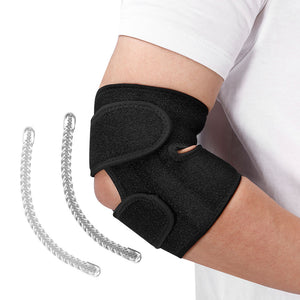
Ankle Support Bandage
- Black
- Grey
- Blue
- Pink
- Purple
- Black
- Orange
- Green
- Pink
- Black
- Red
- Blue
- Orange
Does a Support Bandage Help a Sprained Ankle?
Whether you have awkwardly stepped off a curb, lost your footing during a weekend hike, or rolled your foot playing sports, twisted ankles are among the most common orthopedic injuries. If you are currently nursing an injury, you are likely looking for immediate relief and wondering: Does a support bandage actually help a sprained ankle?
The short answer is absolutely. Utilizing a compression wrap or support band is a foundational step in first aid and at-home rehabilitation. When applied correctly, it can significantly accelerate your recovery timeline and improve your overall comfort.
Here is an in-depth look at exactly how a wrap aids in the healing process, along with essential tips for treating your injured ligaments.
The Science of Ankle Sprains and Compression
When you sprain an ankle, the ligaments—tough bands of tissue that hold your joint together—are stretched beyond their normal limits or torn. The immediate biological response involves inflammation, rushing blood and fluid to the area to start the healing process. While this is natural, excessive swelling can cause throbbing pain and limit your range of motion.
This is where the standard R.I.C.E. method (Rest, Ice, Compression, and Elevation) comes into play. The "C" in this acronym stands for compression, which is precisely what a proper wrap provides.
Key Benefits of Wrapping a Sprained Ankle
Provides Crucial Joint Stability
After an injury, the stretched or torn ligaments temporarily lose their ability to keep your joint fully stabilized. A wrap acts as an external support system. Holding the ankle in a neutral, secure position restricts excessive side-to-side (lateral) movement. This stabilization is vital because it prevents you from accidentally tweaking the joint again, which could cause further microscopic damage to the already compromised tissues.
Dramatically Reduces Swelling and Inflammation
The gentle, localized compression provided by an ankle brace bandage is highly effective at reducing visible swelling. Wrapping the injured tissues helps limit the pooling of excess interstitial fluid that routinely occurs after trauma. By physically restricting fluid buildup, you not only alleviate the uncomfortable feeling of tightness in your foot but also promote better, more efficient blood circulation. Fresh, oxygenated blood reaching the injured area is a critical component of cellular repair and faster healing.
Offers Natural Pain Relief
By systematically supporting the joint structure and aggressively managing inflammation, a wrap can indirectly serve as a powerful means of pain relief. When your ankle is firmly held and swelling is kept at bay, significantly less physical pressure is exerted on the surrounding nerve endings. A well-fitted ankle support bandage makes the throbbing and aching much more manageable. Furthermore, the physical sensation of being wrapped provides a comforting, psychological boost, making the injury feel less vulnerable and the pain less intense.
Facilitates Safe, Early Movement
While initial rest is mandatory for acute injuries, physical therapists highly recommend gradually reintroducing movement to ensure a comprehensive recovery. Staying entirely immobile for too long can lead to severe joint stiffness and muscle atrophy. An ankle bandage for a sprain allows for safe, controlled mobility. It gives you the structural confidence to start bearing a tolerable amount of body weight and to perform gentle rehabilitation exercises, such as basic ankle rotations or alphabet tracing with your toes. This supported early mobilization drastically improves your overall recovery time and restores flexibility.
How to Properly Apply a Compression Wrap
To reap these benefits, proper application technique is essential. A poorly wrapped foot can either fall off or restrict vital blood flow.
When applying a bandage for sprained ankle, it should feel snug and supportive but never painfully tight. The classic "figure-eight" wrapping technique around the foot and lower calf is highly recommended for optimal support. Always leave your toes exposed; if your toes begin to turn blue, feel cold, tingle, or go numb, the wrap is cutting off your circulation and must be loosened and reapplied immediately.
When to Seek Professional Medical Attention
While a wrap is an excellent tool for mild to moderate twists, it is not a cure-all for severe structural damage. You should immediately consult a doctor, orthopedic specialist, or physical therapist if you experience any of the following:
- Complete inability to bear weight on the injured leg after 24 hours
- Visible deformity in the joint structure
- Severe bruising that spreads up the calf or down to the toes
- Pain and swelling that do not improve after several days of rest and compression
A medical professional can perform imaging tests such as X-rays to rule out fractures, assess the grade of your sprain, and recommend a targeted physical therapy regimen. They can also guide you on exactly how long you should continue utilizing compression therapies to achieve the best possible long-term results.