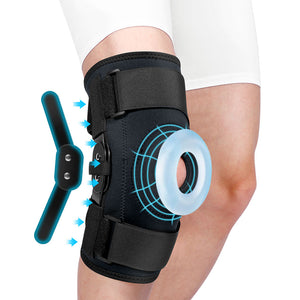
Ankle Support For Plantar Fasciitis
- Black
- Grey
- Blue
- Pink
- Purple
- Black
- Orange
- Green
- Pink
- Black
- Red
- Blue
- Orange
Can Plantar Fasciitis Cause Ankle Problems?
Yes, it certainly can. If you are struggling with severe heel pain or an inflamed foot arch, you might be surprised to learn that the discomfort does not always stay confined to the bottom of your foot. Plantar fasciitis can cause several secondary ankle problems that significantly affect your daily life, mobility, and physical well-being.
Because the human body operates through an interconnected kinetic chain, an issue in your foundation—your feet—can quickly travel upward. Understanding the connection between arch pain and ankle instability is crucial for anyone looking to restore their active, pain-free lifestyle.
The Connection Between Plantar Fasciitis and Ankle Pain
Plantar fasciitis often leads to persistent, throbbing pain in the heel and lower ankle area. The intense pain originating from the inflamed plantar fascia can easily radiate upward, directly affecting the ankle joint.
When the thick band of tissue across the bottom of your foot becomes strained and inflamed, the surrounding nerves and tissues are also aggravated. This makes simple, everyday activities—like walking around the house, standing in line for extended periods, or even just rotating the ankle—uncomfortable and sometimes quite agonizing. Many individuals report that their morning heel pain is accompanied by profound ankle stiffness, making those first few steps out of bed particularly difficult.
How Altered Biomechanics Lead to Ankle Instability
Perhaps the most significant way plantar fasciitis damages the ankle is by disrupting the normal biomechanics of your foot. When you experience sharp heel pain, your central nervous system naturally tries to protect you. The body subconsciously attempts to avoid putting pressure on the painful part of the sole, which almost always results in an altered gait.
You may find yourself limping, walking on your tiptoes, or rolling your weight onto the outer edges of your feet (a process known as over-supination). While this compensatory walking style might temporarily relieve the pressure on your heel, it actively places abnormal, repetitive stress on the ankle joint.
Over time, this abnormal stress forces the ankle to bear weight in ways it was never designed to bear it. The ligaments and tendons around the ankle joint may become strained, overworked, or severely weakened. Because these stabilizing structures are subjected to unnatural forces, your risk of developing ankle joint instability, tendonitis, and even painful ankle sprains increases exponentially.
The Long-Term Effects of Ignoring Foot and Heel Pain
Given the various cascading problems that plantar fasciitis can cause for the ankles, it becomes abundantly clear that taking proactive steps to address the root cause of your heel pain is essential.
Ignoring a sore arch or a stabbing pain in the heel not only prolongs localized discomfort in the foot but also allows associated ankle problems to worsen. What starts as a mild limp can quickly transform into chronic ankle instability, joint degradation, and widespread lower-body fatigue. Therefore, implementing appropriate, conservative strategies to treat plantar fasciitis will have a massive positive impact on both your foot and ankle health.
Effective Strategies to Treat Plantar Fasciitis and Protect Your Ankles
To prevent foot inflammation from ruining your ankle health, you must adopt a comprehensive approach to recovery. Here are some of the most effective methods for soothing the fascia tissue and stabilizing your joints:
Prioritize Adequate Rest and Recovery
Give your feet adequate rest, especially if you have been standing on hard surfaces for a long time or have recently engaged in activities that aggravate your foot pain. Taking short, deliberate breaks during the day to sit and elevate your feet can significantly help reduce swelling, flush out inflammation, and relieve radiating pain. Consistent rest prevents the micro-tears in your plantar fascia from worsening.
Utilize Supportive Braces and Compression
Targeted compression and structural support are vital for healing. Wearing a plantar fasciitis ankle brace can be incredibly beneficial for individuals struggling with foot inflammation. Soft compression sleeves wrap snugly around the ankle, which helps improve localized blood circulation. This enhanced blood flow can drastically reduce swelling in both the foot and ankle area while providing a comforting sense of support to the joint, making it much easier to move around throughout the day.
For those who have already developed a severe limp or ankle weakness, an ankle support brace for plantar fasciitis provides greater structural support. These supportive garments can limit excessive, unnatural ankle movement caused by an altered gait. They help to passively correct any abnormal ankle movements that might be exacerbating your condition, ultimately protecting the ankle ligaments from unnecessary strain and further injury.
Modify Your Exercise Routine: Avoid High-Impact Activities
While staying active is important for your overall health, you must temporarily avoid high-impact activities while healing. Exercises such as running on pavement, jumping rope, or participating in intense, fast-paced sports place significant, sudden stress on the already vulnerable plantar fascia and ankle joints.
Instead of pushing through the pain, opt for low-impact exercises that keep you moving without punishing your lower body. Swimming, cycling, or walking on flat, even surfaces at a moderate pace are excellent alternatives. These activities allow you to maintain your cardiovascular fitness and promote healing blood flow without subjecting your feet and ankles to damaging impact forces.
By addressing your plantar fasciitis early and supporting your biomechanics, you can safeguard your ankles and return to a comfortable, active life.