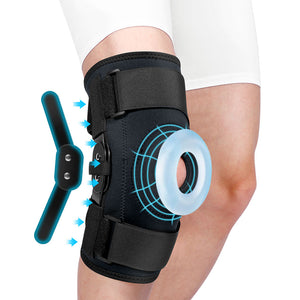
Ankle Support for Posterior Tibial Tendonitis
- Black
- Orange
- Green
- Pink
- Black
- Grey
- Blue
- Pink
- Purple
- Black
- Red
- Blue
- Orange
What Should I Wear for Posterior Tibial Tendonitis?
Posterior tibial tendonitis, frequently referred to as posterior tibial tendon dysfunction (PTTD), is a common yet highly disruptive foot and ankle condition. This vital tendon connects your calf muscle to the bones on the inside of your foot, playing a major role in supporting your foot's natural arch and helping you walk. When it becomes inflamed or torn, it can lead to severe inner ankle pain, swelling, and even adult-acquired flatfoot.
When dealing with posterior tibial tendonitis, selecting the right clothing, footwear, and supportive accessories can dramatically ease daily pain, reduce inflammation, and accelerate healing. Whether you are navigating a busy workday, engaging in light physical activity, or simply recovering at home, knowing exactly what to wear is the first step toward reclaiming your mobility. Here are the most effective supportive wearables to add to your recovery routine:
Essential Wearables for Posterior Tibial Tendonitis Relief
Ankle Compression Socks for Swelling and Circulation
Ankle compression socks are a fantastic everyday option for individuals with foot and ankle tendonitis. They are specifically engineered to apply gentle, graduated pressure to the ankles, heels, and calves. This consistent compression helps stimulate healthy blood circulation while simultaneously flushing out excess fluid, significantly reducing swelling and stiffness.
Because of their lightweight, breathable fabric, compression sleeves can be worn throughout the day. They provide continuous, non-bulky support to the ankle area, which is especially beneficial during periods of increased activity, light exercise, or when your schedule requires you to be on your feet for long, demanding hours.
Stabilizing Braces for Maximum Tendon Protection
Medial (Inner) Support: Because the posterior tibial tendon runs along the inner side of your ankle and foot, it is highly susceptible to strain from overpronation (inward rolling of the foot). To counteract this, you should opt for braces that provide robust medial support. Wearing an ankle stabilizing brace with reinforced inner support can hold the inflamed tendon securely in place and limit excessive, painful side-to-side movement. This targeted stabilization helps protect the damaged tendon from further micro-tears and aggressively reduces inflammation during daily errands and light workouts.
Customizable and Adjustable Design: Swelling from tendonitis can fluctuate throughout the day, meaning your support needs will change from morning to night. Look for an adjustable ankle support brace so you can easily customize the level of compression and restriction to your specific daily needs. By tightening or loosening the dynamic straps, you can find the perfect balance between rigid support and wearable comfort, allowing you to move with confidence while ensuring the tendon remains heavily protected against sudden twists.
Arch Support Braces to Prevent Foot Strain
A Proper, Secure Fit: The primary job of the posterior tibial tendon is to support the arch of the foot. When the tendon is compromised, the arch is at high risk of collapsing. Therefore, it is critical to select an ankle and arch support brace that fits exceptionally well, offering a snug yet immensely comfortable feel around the midfoot and heel. A proper, locked-in fit ensures your foot stays securely positioned in your daily footwear during movement. This prevents abnormal walking mechanics and reduces the risk of dangerous friction or shifting that could otherwise aggravate the sensitive posterior tibial tendon.
High-Quality Arch Alignment: To truly facilitate healing, you must relieve the physical burden placed on the tendon. You can achieve this by looking for an ankle brace with arch support that is meticulously designed to match and lift your foot's natural arch profile. By physically propping up the arch, this type of support helps distribute your body weight evenly across the foot's surface. Taking this heavy mechanical strain off the posterior tibial tendon is absolutely crucial for long-term recovery and preventing chronic flat feet.
Additional Footwear Tips for Tendonitis Recovery
Beyond specialized braces and compression wear, the everyday shoes you choose to put on your feet matter immensely.
- Rigid Heel Counters: Look for walking or running shoes that have a stiff back (heel counter). This grips the heel tightly and stops the ankle from rolling inward.
- Wide Toe Box: Shoes with a spacious toe box prevent your toes from being squished, which helps maintain proper balance and foot alignment as you walk.
- Motion Control Shoes: If your tendonitis is causing your arch to drop noticeably, motion control or high-stability footwear can provide a solid foundation that complements your ankle supports.
By intentionally combining comfortable compression, adjustable stabilization, and dedicated arch assistance, you create an optimal environment for your foot to heal. Always prioritize products that offer a tailored fit, and you will be well on your way to walking comfortably and pain-free once again.