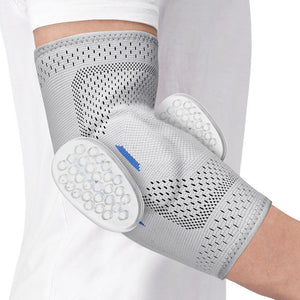
Ankle Wrap
- Black
- Orange
- Green
- Pink
- Black
- Grey
- Blue
- Pink
- Purple
- Black
- Red
- Blue
- Orange
What Does Wrapping Your Ankle Do?
The human ankle is a remarkably intricate joint designed to bear the entire weight of your body while facilitating a wide range of motion for walking, running, and jumping. However, this heavy workload and flexibility also make it highly vulnerable to sprains, strains, and awkward twists. Whether you step poorly on a rugged hiking trail, land incorrectly during a neighborhood basketball game, or simply lose your footing on an uneven sidewalk, ankle injuries are incredibly common.
Orthopedic specialists consistently recommend compression and stabilization as a first line of defense against these everyday injuries. But what exactly happens behind the scenes when you bind that joint? Wrapping your ankle serves multiple vital purposes for both speedy recovery and long-term injury prevention.
The Core Benefits of Ankle Compression
When dealing with a rolled or twisted ankle, immediate care is essential. Implementing the right treatment strategy can drastically reduce your downtime and get you back on your feet faster.
1. Joint Stabilization and Unmatched Support
One of the absolute primary benefits of binding the area is the immediate structural support it provides. An ankle wrap helps to stabilize the joint by physically restricting excessive movement, particularly the dangerous side-to-side rolling motions known as inversion and eversion.
By locking the joint into a safer, more neutral position, this added support can prevent a minor tweak from turning into a severe ligament tear. If you are already dealing with a mild ankle sprain, keeping the joint stable helps prevent further soft-tissue damage and creates an optimal environment for the healing process to begin.
2. Reducing Swelling and Inflammation
After an acute injury, the body naturally rushes blood and inflammatory cells to the damaged ligaments. While this is a necessary part of the healing cycle, it often leads to excess fluid accumulating in the surrounding tissues, resulting in painful, stiff swelling (often referred to as edema).
The targeted compression provided by a snug wrap actively fights this fluid buildup. By applying gentle, consistent pressure, the fabric helps to push the pooled fluid back into your circulatory and lymphatic systems. Decreasing this swelling not only makes your leg feel significantly more comfortable but also rapidly accelerates your overall recovery timeline.
3. Pain Relief and Enhanced Circulation
A swollen, unstable joint throbs and aches, making it incredibly difficult to bear weight. By immobilizing the damaged ligaments and reducing localized pressure from fluid buildup, wrapping significantly diminishes daily pain levels. Furthermore, properly applied compression encourages healthy, consistent blood circulation. Fresh, oxygen-rich blood is seamlessly guided to the injury site, supplying the necessary nutrients required to repair stretched and torn muscle fibers.
Proactive Protection: Preventing Future Injuries
You do not necessarily have to wait until you are limping to take action. Proactive joint protection is a massive trend in sports injury prevention and athletic longevity. Athletes, runners, and individuals who work physically demanding jobs frequently bind their ankles before engaging in high-impact activities to safeguard against sudden missteps.
Boosting Proprioception
Beyond just physical restriction, applying tension around the joint enhances proprioception—your body’s subconscious awareness of where it is in space. The tactile feedback of the snug material against your skin constantly reminds your nervous system to stay alert to your foot placement. This heightened bodily awareness allows your muscles to react faster to sudden shifts in terrain, dramatically lowering the risk of rolling your ankle in the first place.
Integrating Wrapping into Your Recovery Routine
While securing the joint is highly effective, it works best when combined with a comprehensive home care routine. Rehabilitation experts often recommend pairing compression with adequate rest, routine icing, and keeping the foot elevated above the heart. This multifaceted approach ensures that localized inflammation is kept at an absolute minimum while the torn fibers knit themselves back together securely.
Taking the time to properly bind and compress a vulnerable or injured joint is one of the smartest, most effective ways to maintain your daily mobility. By reducing swelling, reinforcing weak ligaments, and enhancing your body's natural physical awareness, you can confidently return to the active lifestyle you love.