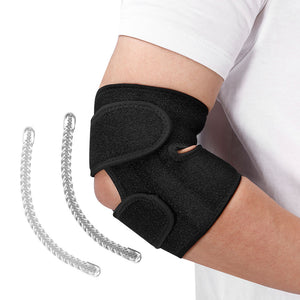
Arm Support Sleeve
- Black
- Grey
- Blue
- Purple
- Pink
- Black
- Dusty Blue
- Blue
- Pink
- White
- Pink
- White
- Yellow
- Purple
- Black
- Black
- Grey
- Grey
- Black
- Blue
- Grey
- Blue
- Black
- Black
- Blue
Should I Wear a Tennis Elbow Support?
If you are experiencing a persistent ache, weakness in your grip, or a burning sensation on the outside of your elbow, you might be dealing with lateral epicondylitis, commonly known as tennis elbow. This frustrating condition can make simple daily tasks incredibly painful, leading many people to look for the best ways to achieve fast, lasting relief from tennis elbow. One of the most common questions from people with forearm pain and joint stiffness is whether they should wear a compression garment. The short answer is yes, but understanding exactly how and when to use it is key to a successful rehabilitation.
How Elbow Compression Aids in Tendonitis Recovery
When you have inflamed tendons, your primary goal should be to reduce strain on the affected tissue. Wearing an arm support sleeve can significantly limit excessive movement of the muscles and tendons around the elbow. By providing gentle, targeted joint compression, the sleeve helps absorb the shock, vibrations, and forces that normally travel through the forearm during daily tasks.
This crucial stabilization does more than just alleviate immediate joint discomfort; it actively prevents further aggravation of the micro-tears in your connective tissues. By restricting harmful, jerky movements and improving blood flow to the inflamed area, you give your body the downtime it needs to transition out of the inflammatory phase and begin recovery.
When to Wear a Support for Joint Stability
A common misconception is that lateral epicondylitis only affects professional athletes. In reality, anyone who engages in activities that put repetitive stress on the elbow joint can develop this repetitive strain injury (RSI).
If your lifestyle or profession involves repetitive arm motion, wearing a supportive garment during these activities can be an excellent preventive measure. You should strongly consider wearing an elbow support if you regularly participate in:
- Racket Sports and Athletics: Playing tennis, pickleball, squash, or swinging a golf club (which can also cause medial epicondylitis, or golfer's elbow).
- Repetitive Manual Work: Engaging in hands-on labor such as carpentry, plumbing, painting, mechanics, or landscaping that requires constant gripping and twisting.
- Office and Desk Work: Typing on a keyboard or using a computer mouse for hours on end, which frequently leads to forearm fatigue and desk-related strain.
- Weightlifting and Fitness: Performing exercises that place heavy, repetitive loads on the forearm extensors and flexors.
By keeping the joint warm, compressed, and supported during these demanding tasks, you can help reduce the risk of re-injury, minimize muscle fatigue, and make necessary daily activities more comfortable.
Is a Support Garment a Complete Cure for Elbow Pain?
While targeted compression can improve joint stability, an arm support sleeve is not a magical, standalone cure-all for chronic elbow pain. For optimal joint health and a full return to your favorite activities, view compression therapy as one vital piece of a broader rehabilitation puzzle.
To fully heal from tennis elbow, use supportive wear alongside other proven conservative treatment methods. Prioritize adequate rest by stepping back from the specific motions that triggered your pain in the first place. Utilize ice therapy to combat acute swelling after strenuous activity. Most importantly, consult a professional to begin a structured physical therapy routine that gently stretches and strengthens the weakened forearm muscles.
Always focus on using proper ergonomic technique—whether you are swinging a racket, lifting a heavy box, or typing at your desk. This comprehensive, well-rounded approach will not only soothe your current symptoms but also build long-lasting resilience against future elbow injuries.