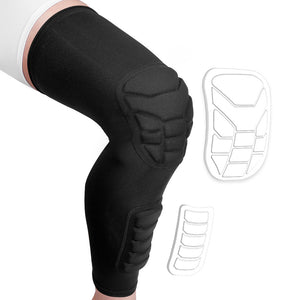
Best Knee Brace For Torn Meniscus
- Black
- Green
- Orange
- Pink
- Black
- Blue
- Green
- Red
- Orange
- Blue
- Dark Blue
- Black
- White
- Red
- Blue
- Black
- Blue
- Green
- Red
- Dark Blue
- Grey
- Black
- Blue
- Pink
- Grey
- Black
- White
- Light Black
- Black
- Light Grey
- Grey
- Magenta
- Black
Should I Wrap My Knee if I Have a Torn Meniscus?
When dealing with a joint injury, one of the most frequent questions patients ask is whether they should wrap their knee to accelerate recovery. A sudden pop or gradual joint stiffness can be incredibly frustrating. Wrapping the knee can provide essential support and stability, but it is vital to understand when and how to apply this technique effectively to support healing.
Understanding Meniscus Tears and Cartilage Injuries
The meniscus is a robust, C-shaped piece of shock-absorbing cartilage located in the joint between your thigh bone (femur) and shin bone (tibia). Every step you take relies on this cushion to distribute weight evenly and absorb impact. A tear—whether from an unexpected athletic twist, heavy lifting, or gradual daily wear and tear—can lead to localized inflammation, sharp pain, a feeling of the joint "locking," and a significantly limited range of motion. In many cases, managing these uncomfortable symptoms promptly and efficiently can help expedite your overall recovery.
The Benefits of Wrapping Your Knee
Applying a compression wrap to an injured joint offers several distinct advantages. First, the gentle pressure helps limit excess fluid buildup, visibly reducing localized swelling. Second, the tactile sensation of a wrap provides proprioceptive feedback, gently reminding you to be cautious with your leg movements. This added support during physical activities or even basic daily tasks can prevent further aggravation of the delicate cartilage.
However, you must apply compression correctly. An overly tight elastic bandage can impede healthy blood flow, potentially leading to more harm than good. Always ensure your wrap is snug but never uncomfortably constricting. A standard figure-eight wrapping technique that starts just below the joint and finishes above it often yields the best results. If you begin to experience tingling in your toes, numbness along your leg, or increased pain while wrapped, loosen or remove the bandage immediately.
Transitioning to Structured Joint Support
While an elastic wrap is an excellent temporary solution for immediate swelling, upgrading to a specialized support garment is often recommended for longer-term rehabilitation. A dedicated knee brace for a torn meniscus can be particularly beneficial for individuals managing this type of cartilage injury. The ideal brace offers consistent, targeted support without excessively limiting your natural mobility. Look for options with adjustable straps for a highly customizable fit, so you can tailor compression and stabilization to your changing day-to-day needs.
As you research your options, choose a knee brace for meniscus damage with intuitive features, such as built-in buttresses for proper kneecap tracking or lightweight, breathable fabrics for maximum comfort. Some advanced designs also include built-in lateral hinges. These hinges provide exceptional extra stability, which is especially important if your daily routine involves side-to-side movements or puts extra rotational stress on the affected area.
A well-designed support system lets you continue your lifestyle with much less discomfort. Finding the optimal brace for a torn meniscus involves prioritizing both joint security and all-day comfort, ultimately supporting a smoother recovery and helping you walk with renewed confidence.
Accelerating Recovery with the RICE Protocol
Alongside proper compression and bracing, the RICE method—Rest, Ice, Compression, and Elevation—can significantly shorten your healing timeline.
Rest
Avoid high-impact activities like running, jumping, or deep squatting that place unnecessary pressure on the damaged cartilage. Give your body the downtime it needs to start the tissue repair process.
Ice
Applying a cold pack to the affected area for 15 to 20 minutes several times a day can rapidly reduce swelling and temporarily numb irritated nerve endings, offering excellent natural pain relief. Always wrap the cold pack in a thin cloth or towel to protect your skin from frostbite.
Compression
As discussed, a properly fitted elastic wrap or supportive sleeve prevents fluid buildup and stabilizes the area during waking hours.
Elevation
Whenever you are sitting or resting, prop your leg up on a few cushions. Elevating the joint above your heart encourages fluid to drain away from the injury site, reducing internal joint pressure and throbbing sensations.
Moving Forward with Your Rehabilitation
You may certainly choose to wrap your knee while managing a cartilage tear, as long as you do it thoughtfully and safely. As localized swelling begins to subside, gentle stretching and low-impact strengthening exercises can further support the muscles around your joint.