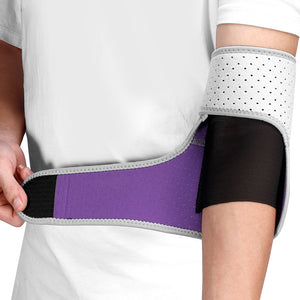
Compression Sleeve for Foot and Ankle
- Black
- Orange
- Green
- Pink
- Black
- Grey
- Blue
- Pink
- Purple
- Black
- Red
- Blue
- Orange
How to Wrap Your Ankle and Foot with Compression
Compression therapy is a highly effective, non-invasive method for providing structural support, dramatically reducing swelling, and enhancing blood circulation in foot and ankle injuries. Whether you are actively recovering from a rolled ankle, participating in high-impact sports, or dealing with frustrating chronic conditions like plantar fasciitis and Achilles tendonitis, knowing how to appropriately use a compression sleeve for the foot and ankle can significantly accelerate your healing timeline and improve your overall mobility.
Understanding the Benefits of Compression Therapy
When you suffer a sprain, strain, or general lower-body fatigue, inflammation sets in quickly. Applying targeted pressure helps to push excess fluid away from the injury site, reducing painful edema. Furthermore, the snug fit of compression wear stimulates blood flow, delivering essential oxygen and nutrients to damaged tissues. This process not only speeds up physical recovery but also stabilizes the ligaments, reducing the risk of further injury during daily routines or athletic performance.
How to Choose the Perfect Fit
Before you can manage your symptoms effectively, you need to choose the right gear. Compression sleeves come in a wide variety of sizes, fabrics, and levels of tightness. For maximum effectiveness and comfort, use a flexible measuring tape to measure the circumference of both your ankle and the arch of your foot.
Always refer closely to the sizing guide provided with your specific item to find the most accurate fit. A well-fitted sleeve should provide firm, consistent, yet comfortable compression. It should never be so tight that it limits healthy circulation, causes throbbing, or creates deep indentations in your skin.
Step-by-Step Guide: Putting On Your Compression Wear
Because most modern compression supports are seamless and tubular, the "wrapping" process is essentially a matter of careful application.
- Start at the Toes: Carefully gather the fabric and place the compression sleeve over your toes and ankle.
- Pull Over the Arch: Slide it up, ensuring it covers the entire mid-foot and heel and reaches just above the ankle. Many sleeves are specifically designed with targeted arch support, which can work wonders in alleviating the sharp discomfort often associated with fallen arches or heel pain.
- Smooth Out the Fabric: When pulling the material into place, make sure it's completely wrinkle-free and fits snugly against your skin. Any folds, twists, or bunched-up material can easily create painful pressure points or restrict your blood flow.
Positioning for Maximum Joint Support
Once the sleeve is smoothly positioned on your foot, gently pull the upper section up to cover the ankle joint securely. The compression gradient should extend just above the prominent ankle bone, providing optimal tendon stability without restricting your natural blood flow.
Check frequently for signs of excessive tightness throughout the day. If you begin experiencing numbness, a cold sensation, or a tingling "pins and needles" feeling in your toes, this clearly indicates the material is too tight and needs to be adjusted or swapped for a larger size immediately.
Enhancing Recovery: The RICE Method
If you are experiencing significant swelling, stiffness, or soreness from a sudden injury, you can easily enhance the overall effectiveness of your compression routine with a few highly recommended supplemental techniques:
- Elevation: Elevate your foot on a pillow above heart level whenever you rest or sleep. Gravity will naturally help drain pooled fluids from the lower extremities, reducing swelling.
- Ice Therapy: Applying a cold pack to the affected area for 15 to 20 minutes at a time can significantly reduce localized inflammation and numb sharp pain, working in tandem with the compression sleeve to control swelling.
Combining a Sleeve with a Wrap or Bandage
You can seamlessly combine your daily compression sleeve with an elastic bandage for extra immobilization and heavy-duty support, if needed—especially during the acute phase of a severe sprain.
When using additional bandages to wrap your lower leg, always start at the base of the toes and wrap systematically up towards the calf. Overlap the bandage by about half of its width as you progress upward in a figure-eight pattern. Make sure the final wrap feels firm and supportive, but don't pull it too tight, as it could cut off circulation to your toes.
A Vital Part of Your Daily Routine
Using a high-quality compression sleeve for the foot and ankle can be an invaluable, daily component of your physical rehabilitation or athletic performance regimen. By providing essential anatomical support, it helps minimize debilitating pain and discomfort, keeps your joints warm and agile, and promotes proper, long-term recovery through improved circulation.