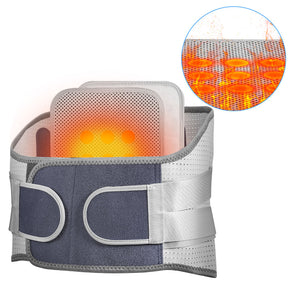
Custom Ankle Brace
- Black
- Orange
- Green
- Pink
- Black
- Grey
- Blue
- Pink
- Purple
- Black
- Red
- Blue
- Orange
How Long Do Custom Orthotics Last?
Are you dealing with chronic foot pain, lower back discomfort, or recurring sports injuries? Prescription shoe inserts—commonly known as custom orthotics—are highly specialized foot supports designed to enhance biomechanical function, correct alignment issues, and provide unparalleled daily comfort. They play a vital role in alleviating pain from conditions such as plantar fasciitis, flat feet, and overpronation, while providing essential stability for your entire lower body.
Among the vast array of specialized prescription supports, custom ankle braces are particularly crucial for individuals struggling with severe ankle instability, recovering from traumatic injuries, or managing chronic joint conditions. But when you invest in these personalized health tools, one critical question always comes to mind: how long can you expect these devices to last before needing a replacement?
The Average Lifespan of Custom Orthotics
When assessing the longevity of prescription foot supports, there is no single timeline that applies to every single patient. However, on average, most custom orthotics last one to three years. This timeline serves as a general baseline. Whether you are using a daily arch support or a highly specialized custom ankle brace, the actual lifespan will depend heavily on several overlapping variables, including your daily routine, the types of materials used in fabrication, and natural changes in your personal health.
Key Factors That Determine Orthotic Durability
Understanding what wears down your custom inserts can help you maximize your investment and keep your feet pain-free for as long as possible.
Frequency and Intensity of Daily Usage
How often you wear your orthotics is the most significant factor in their lifespan. If you rely on these devices daily for high-impact activities—such as marathon running, court sports, or working physically demanding jobs on hard concrete floors—they will naturally compress and wear out much faster. For instance, an athlete wearing a rigid support structure during rigorous training will put extreme repetitive stress on the device, resulting in a shorter lifespan. Conversely, if your prescription support is primarily used for light walking, office work, or casual rehabilitation, it will likely serve you effectively for an extended period.
Quality of Materials and Construction
The specific materials your specialist chooses will dramatically affect how long your inserts last. High-quality materials engineered to balance shock absorption and structural integrity, such as high-density foams, carbon fiber, and rigid plastics, typically outlast cheaper, softer alternatives. Semi-rigid and rigid orthotics are known for their durability, often maintaining their shape for years. It is highly recommended to consult a qualified podiatrist or foot specialist who can comprehensively evaluate your biomechanics and select the optimal, long-lasting materials tailored specifically to your exact needs.
Biological Changes and Foot Mechanics
Your body is not static, and changes in your overall health can directly impact the effectiveness and longevity of your supportive devices. Significant weight fluctuations, pregnancy, or the natural aging process can alter the shape of your foot, change your arch height, or shift your walking gait. Even if the physical device itself is perfectly intact, these bodily changes can render your current prescription obsolete, necessitating earlier adjustments or a complete replacement to ensure you are still receiving the appropriate support.
Telltale Signs It Is Time to Replace Your Orthotics
Even if you fall within the standard one-to-three-year window, you should constantly be on the lookout for physical indicators that your supports have reached the end of their usable life.
- Returning Pain: The most obvious sign is the return of the original pain that prompted you to get orthotics in the first place. If your heels, knees, ankles, or lower back start aching again, the support structure has likely degraded.
- Visible Wear and Tear: Look closely at your devices. Are there deep cracks, thinning materials, or pieces breaking off? If the top cushioning cover is entirely worn through or the rigid base is cracked, an immediate replacement is necessary.
- Uneven Shoe Wear: Check the soles of your everyday walking or running shoes. If you notice severe uneven wear patterns, it strongly indicates your orthotics are no longer properly aligning your gait.
How to Extend the Life of Your Supportive Devices
To get the maximum value and longest life out of your specialized supports, proper daily maintenance is essential. Always allow your inserts to air dry completely if they become damp from sweat or rain; never put them in a mechanical dryer or near a harsh heat source, as extreme heat can warp the custom molding. Gently clean them with mild soap and a damp cloth to prevent bacterial buildup that prematurely breaks down cushioning materials.
Conclusion
Custom orthotics are a significant investment in your daily mobility, physical health, and overall quality of life. While they generally last between one and three years, closely monitoring their condition and paying attention to your body’s signals will ensure you never walk without the proper structural support. Scheduling regular check-ups with your healthcare provider will help you confirm whether your current supports are still functioning properly or if it is time to transition to a new prescription.