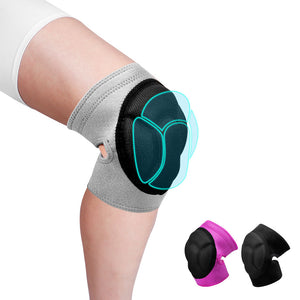
Elastic Ankle Support for Sprain
- Black
- Grey
- Blue
- Pink
- Purple
- Black
- Orange
- Green
- Pink
- Black
- Red
- Blue
- Orange
How to Heal an Ankle Sprain Faster?
Ankle sprains are among the most frequent musculoskeletal injuries, affecting everyone from competitive athletes on the field to casual walkers who simply step off a curb the wrong way. A rolled or twisted ankle stretches or tears the vital ligaments that hold your joint together, leading to localized pain, severe bruising, and significantly restricted mobility.
Healing from an ankle sprain can be a frustrating, time-consuming process that disrupts your daily routine. However, understanding the proper timeline for ligament repair and applying targeted, proactive recovery techniques can drastically reduce your downtime. Whether you have a mild Grade 1 sprain or a more severe Grade 2 strain, these strategies can help you recover faster, reduce inflammation, and safely return to an active lifestyle.
1. Rest and Protect the Injured Joint
The first step after sustaining a rolled or twisted ankle is to stop the activity that caused it. Resting the injured area is the fundamental core of the widely recognized R.I.C.E. (Rest, Ice, Compression, Elevation) injury recovery method. Avoid putting any unnecessary weight on the affected foot, as attempting to walk through the pain can severely exacerbate ligament damage and delay your overall recovery.
Using crutches or a temporary protective brace during the initial 24 to 48 hours may be necessary to completely offload the joint. Immobilizing the ankle during this vulnerable acute healing phase protects the delicate, healing soft tissues from further microtears and lays a strong foundation for swift rehabilitation.
2. Implement Strategic Ice Therapy
Applying localized cryotherapy (ice therapy) to the sprained joint can significantly reduce throbbing pain and minimize acute ankle swelling overnight. Cold exposure naturally constricts local blood vessels, which effectively blunts the initial rush of inflammatory fluids and cellular waste to the injury site.
Aim to ice the swollen area for 15 to 20 minutes every one to two hours during the crucial first 48 hours post-injury. Always remember to wrap the ice pack or frozen gel pack in a thin towel or cloth to protect your skin and prevent accidental frostbite. Consistent icing in the early days promotes a much quicker healing process by keeping joint-stiffening excess swelling at bay.
3. Apply Compression and Elevation
Swelling is your body's natural physiological response to trauma, but too much fluid buildup can cause lingering stiffness and delayed tissue repair. This is where strategic compression and elevation become essential. Using a high-quality elastic ankle support for sprain can be particularly beneficial in this phase of recovery. An elastic support provides gentle, consistent compression that helps reduce swelling by pushing excess fluid away from the joint while offering vital structural stabilization.
Choosing the right fit is critical; the compression sleeve or wrap should be comfortably snug but not so tight that it restricts arterial blood flow or causes throbbing or numbness in your toes. Additionally, whenever you are resting, make it a strict priority to elevate your injured foot above heart level. Propping your leg up on a few firm pillows uses gravity to help drain accumulated fluid from the injury site and back into your central circulatory system.
4. Begin Gentle Mobilization and Range-of-Motion Exercises
While initial rest is mandatory, keeping the injured joint completely stiff for too long can lead to scar tissue buildup and chronic joint stiffness. After a few days of resting and once the acute, sharp swelling has noticeably subsided, it is crucial to begin gently mobilizing the ankle.
Start with passive, non-weight-bearing range-of-motion exercises. Slowly point your toes up toward your shin, push them down, and carefully rotate the foot side to side without applying any external resistance. A highly recommended technique is the "alphabet exercise," where you use your big toe to trace the letters of the alphabet in the air. Gradually increase the duration and range of these movements as you start to feel more comfortable. These gentle rehabilitation exercises help restore baseline flexibility, improve local blood circulation, and prevent surrounding muscle atrophy.
5. Commit to Physical Therapy and Strengthening
For a comprehensive, resilient recovery, consulting a licensed physical therapist is highly recommended. A professional can provide you with a personalized ankle rehabilitation program tailored to your specific grade of sprain and your personal fitness goals.
A therapist will safely guide you through advanced exercises specifically designed to strengthen the weakened calf and peroneal muscles surrounding the ankle complex. These physical therapy programs heavily emphasize proprioceptive training—exercises that retrain your central nervous system's awareness of your joints in space. Mastering balance through tools like wobble boards, unstable surfaces, or single-leg stand exercises is arguably the most crucial step in preventing chronic ankle instability and future reinjuries.
6. Make a Gradual Return to Physical Activity
Patience is a necessary virtue when transitioning back to your normal workout routine or daily grind. Once you have begun to regain functional strength, pain-free flexibility, and full ankle stability, you can gradually reintroduce weight-bearing activities. Start with simple, linear movements like brisk walking or stationary cycling before progressing to complex lateral movements, jumping, or heavy lifting.
Always listen to your body and completely avoid the temptation to push through sharp pain. Returning to high-intensity sports or rigorous physical labor prematurely is the leading cause of recurrent sprains. For added peace of mind and structural confidence during this transitional active period, wearing a reliable ankle support for sprain can provide the necessary external bracing and sensory feedback to keep your recovering ligaments protected during dynamic, unpredictable movements.
7. Optimize Nutrition and Hydration for Tissue Repair
What you put into your body plays a surprisingly pivotal role in how fast your internal soft tissues can rebuild. Proper nutrition and adequate daily hydration provide the microscopic cellular building blocks required for rapid ligament repair.
Ensure you are consistently consuming a well-balanced, anti-inflammatory diet rich in lean proteins, essential vitamins, and key minerals. Vitamin C (abundant in citrus fruits, strawberries, and bell peppers) and Zinc (found in nuts, seeds, and legumes) are particularly essential for collagen synthesis, which is the primary structural protein that makes up your ankle ligaments. Furthermore, drinking plenty of water helps keep your circulatory system optimized to efficiently deliver these crucial nutrients to the injury site while flushing metabolic waste.