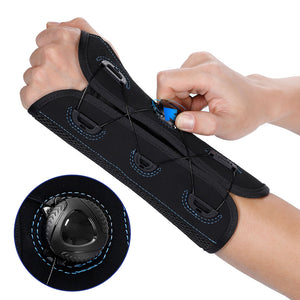
Foot And Ankle Support
- Black
- Grey
- Blue
- Pink
- Purple
- Black
- Orange
- Green
- Pink
- Black
- Red
- Blue
- Orange
What Is the Recommended Weight for Ankle and Foot Supports?
Finding the ideal balance between mobility and joint protection is essential for athletic performance, daily comfort, and injury rehabilitation. When people ask about the recommended weight for ankle and foot supports, they usually mean one of two things: the physical weight of a brace (measured in grams) or the compression weight and pressure rating of a sock or sleeve (measured in millimeters of mercury, or mmHg).
Choosing the right specifications can dramatically affect healing times, prevent future sprains, and ease chronic joint pain.
Understanding Compression Socks: Pressure Ratings and Uses
For mild swelling, fatigue, or minor strains, compression socks and flexible sleeves are highly effective. Rather than by physical mass, these garments are categorized by compression weight, which indicates how tightly they grip the foot and lower leg.
Light to Moderate Support (15-20 mmHg)
For everyday wear, a compression rating of 15 to 20 mmHg is generally recommended. This light-to-moderate pressure level is perfect for individuals who spend long hours standing or walking. Hikers tackling uneven trails, retail workers on their feet all day, and individuals dealing with minor foot swelling or plantar fasciitis find this level of support ideal. It promotes healthy blood flow without restricting natural movement, making it a staple for general foot health and fatigue prevention.
Firm Support for Recovery (20-30 mmHg)
Athletes recovering from an acute ankle sprain or individuals managing conditions like venous insufficiency require a heavier compression weight. A pressure rating of 20 to 30 mmHg provides a firm, therapeutic squeeze. This higher level of compression helps flush out lactic acid after strenuous workouts, reduce severe inflammation, and stabilize micro-movements in the foot and ankle joint during physical therapy.
Choosing the Right Ankle Brace Based on Weight and Rigidity
For structural stability, physical braces are utilized. The brace's weight correlates directly with its rigidity, the materials used, and the level of immobilization it provides.
Lightweight Ankle Sleeves (50-100 Grams)
Super lightweight braces, typically weighing 50-100 grams, are primarily designed for injury prevention and mild joint pain relief. Made from breathable, elastic materials or thin neoprene, these sleeves fit easily inside any athletic shoe. They are highly recommended for light jogging, walking on uneven surfaces, or providing basic proprioceptive feedback to the joint. Because they don't restrict natural range of motion, they are excellent for daily proactive joint care.
Medium-Weight Support (100-200 Grams)
When transitioning into high-impact activities like basketball, volleyball, or tennis, athletes require reinforced stabilization to prevent the foot from rolling inward or outward. A medium-weight ankle support brace typically weighs between 100 and 200 grams. These intermediate options often feature adjustable figure-eight strapping systems or flexible bilateral stays. They offer a perfect middle ground, delivering robust protection against lateral ankle twists while still allowing enough flexibility for running and jumping.
Heavyweight Immobilization (200-300+ Grams)
Post-injury rehabilitation, severe ligament tears, and post-surgical recovery demand maximum joint immobilization. In these scenarios, heavy-duty ankle braces weighing 200 to over 300 grams are the standard recommendation. These robust supports incorporate rigid plastic panels, metal hinges, or lace-up designs that lock the ankle in place. By severely limiting the range of motion, they protect healing tissues, prevent secondary injuries, and ensure absolute structural stability during the critical phases of recovery.
Key Factors to Consider When Selecting Foot Supports
Determining the right weight and support level is highly personalized. To make the most informed decision for your joint health, keep the following factors in mind:
- Nature of the Activity: Fast-paced sports require medium-weight, flexible supports, while stationary recovery requires heavier, rigid immobilization.
- Severity of the Injury: A minor tweak might need only a 50-gram lightweight sleeve, whereas a grade-three sprain will require a heavyweight hinged brace.
- Footwear Compatibility: Heavier braces are bulkier and may require a slightly larger or wider shoe to accommodate the extra material.
- Duration of Wear: High-compression (20-30 mmHg) sleeves and heavyweight braces are typically worn for specific activities or designated recovery periods, whereas lightweight 15-20 mmHg socks can be worn comfortably throughout the entire day.
Whether you are seeking enhanced athletic endurance, arthritis pain relief, or post-sprain stability, the right weight and support level should match your unique physical needs. Consider consulting a physical therapist, orthopedic specialist, or sports medicine professional to ensure your chosen support promotes safe, healthy, continuous movement.