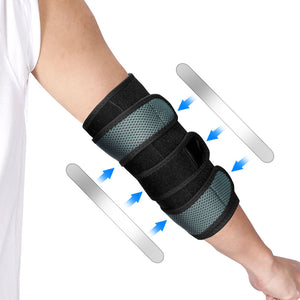
Foot and Ankle Support for Arthritis
- Black
- Grey
- Blue
- Pink
- Purple
- Black
- Red
- Blue
- Orange
- Black
- Orange
- Green
- Pink
Is Compression Good for Ankle Arthritis?
Living with joint discomfort can make every step feel like an uphill battle. If you are struggling with stiffness, chronic aches, or declining mobility, you might be asking your podiatrist or specialist: is compression good for ankle arthritis? The short answer is an absolute yes.
Adding compression therapy to your daily routine offers a highly effective, non-invasive way to manage osteoarthritis, rheumatoid conditions, and general joint wear and tear. By delivering gentle, continuous pressure to the affected area, this therapeutic technique addresses some of the most frustrating symptoms head-on.
The Proven Benefits of Compression for Ankle Arthritis
1. Radically Reducing Swelling and Inflammation
Ankle arthritis often triggers chronic inflammation and localized swelling, medically known as edema. When the synovial membrane within your joint becomes inflamed due to cartilage friction and breakdown, it produces excess fluid. This extra fluid pools in the surrounding soft tissues, causing the area to expand, throb, and become highly sensitive to the touch.
Applying targeted, graduated pressure beautifully counteracts this physical reaction. The snug fit of specialized garments physically limits excessive fluid accumulation in your tissues. For instance, by consistently wearing well-fitted ankle compression socks, individuals can proactively limit the expansion of this fluid-filled space. This helps keep the lower extremities less swollen and more comfortable, even after prolonged standing or walking.
2. Providing Essential Structural Support and Stability
Arthritis systematically weakens crucial joint structures over time, including vital bones, cushioning cartilage, and connecting ligaments. When these internal components degrade, the joint loses its natural foundation, often leading to a wobbly, insecure sensation during physical activity.
A supportive wrap or sleeve acts as a dependable external support system. It holds the compromised joint in a more stable, anatomically correct position while you move. By restricting erratic or excessive joint movement, the surrounding pressure drastically reduces the mechanical stress placed on already damaged components. Whether you are navigating a flight of stairs or enjoying a neighborhood stroll, this enhanced stability allows for smoother, more confident, and significantly less painful mobility.
3. Boosting Blood Circulation for Faster Healing
Robust blood flow is essential for maintaining joint health and supporting cellular repair. Compression therapy naturally stimulates and enhances vascular circulation throughout the lower legs and feet.
When arterial flow is optimized, oxygen and vital healing nutrients are delivered rapidly to damaged articular tissues. At the same time, improved circulation accelerates the flushing of cellular waste products and inflammatory toxins. For anyone navigating the daily challenges of ankle arthritis, improved circulation creates a better internal healing environment, ultimately minimizing the deep-seated aches associated with poor vascular supply to the affected region.
How to Use Compression Therapy Safely and Effectively
While the advantages of compression are well documented, the pressure must be applied correctly to be truly beneficial. Proper sizing is incredibly critical; a garment that is excessively tight can do more harm than good by pinching nerves, restricting arterial blood flow, or causing localized numbness and severe discomfort. The objective is a reassuring, supportive fit, not a restrictive bind.
Furthermore, while these supportive garments offer tremendous daily relief, they work best when integrated into a comprehensive arthritis treatment plan. Combining daily wear with targeted physical therapy exercises, physician-approved medications, stretching routines, and adequate rest will support the best quality of life and long-term outcomes for your joints.