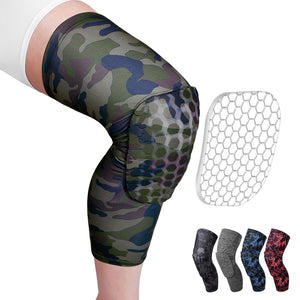
Foot Brace for Peroneal Tendonitis
- Black
- Orange
- Green
- Pink
- Black
- Grey
- Blue
- Pink
- Purple
- Black
- Red
- Blue
- Orange
What Happens If You Ignore Peroneal Tendonitis?
A persistent ache on the outer side of your ankle or foot can be frustrating, but brushing it off as a minor tweak can be costly. The peroneal tendons, which run down the outside of your calf and connect to the bony structures of your foot, are essential for stabilizing your arch and protecting your ankle from sprains. When these tendons become inflamed from overuse, repetitive motions, or sudden injury, you develop peroneal tendonitis.
While the initial discomfort may seem manageable, ignoring it can lead to a cascade of complications that affect your mobility, athletic performance, and overall quality of life.
The Hidden Dangers of Untreated Lateral Ankle Pain
Failing to address lateral ankle pain and inflammation does not make the problem disappear; instead, it allows a temporary issue to transform into a chronic, debilitating condition.
Worsening Pain, Swelling, and Tendinosis
If left untreated, what starts as mild inflammation (tendonitis) can progress into a more severe, stubborn condition known as tendinosis. This occurs when the tendon's structural integrity begins to break down at a cellular level, leading to the buildup of rigid scar tissue. Persistent pain and chronic swelling will inevitably limit your ability to participate in physical activities. Over time, giving up exercise because of foot pain can lead to a sedentary lifestyle, which brings its own host of health issues, such as unwanted weight gain, cardiovascular decline, and decreased muscle strength.
Biomechanical Breakdown and Joint Instability
The peroneal tendons play a critical role in maintaining your balance and coordinating lower-body movements. When their function is compromised by untreated inflammation, you lose crucial lateral stability. Consequently, you may be at a significantly higher risk for severe ankle sprains, repeated rolling of the ankle, or even stress fractures.
Furthermore, subconsciously altering your gait to avoid pressure on the painful foot leads to compensation. This unnatural walking pattern places immense, uneven stress on other parts of your body. It often triggers increased knee instability, hip pain, and lower back aches. This biomechanical breakdown creates a vicious cycle of recurring injury and widespread joint pain that becomes increasingly difficult to break.
Risk of Tendon Tears and Ruptures
Pushing through the pain of peroneal tendonitis weakens the tendons over time. Continuous strain on compromised connective tissue increases the likelihood of micro-tears. In the worst-case scenario, ignoring the warning signs can result in a partial or complete tendon rupture—an excruciating injury that severely limits mobility and often requires invasive surgical repair followed by months of intensive rehabilitation.
Effective Treatment and Recovery Strategies
To manage foot and ankle tendon pain effectively, stop ignoring symptoms and seek appropriate, proactive treatment. Catching inflammation early can dramatically speed up healing.
Rest, Ice, Compression, and Elevation (R.I.C.E.)
The first line of defense against any inflammatory tendon issue is incorporating the R.I.C.E. method into your daily self-care routine. Resting the affected limb prevents further micro-trauma. Applying ice packs for short durations helps constrict blood vessels to reduce swelling. Gentle compression and elevating the foot above heart level further flush out excess fluid and minimize throbbing pain.
Rebuilding Strength with Physical Therapy
Once the acute swelling subsides, physical therapy can be highly beneficial. Targeted stretching and strengthening exercises help you regain flexibility in the surrounding calf muscles and restore the load-bearing capacity of the peroneal tendons, making them more resilient against future stress.
Finding the Right Support for Your Foot
Immobilization and structural support are vital for a successful recovery. A high-quality support garment stabilizes the ankle joint while still allowing for a functional, safe range of motion. By reducing strain on the affected tendons, targeted support helps reduce pain and promote cellular recovery.
Early intervention is key to getting back on your feet; consider incorporating a foot brace for peroneal tendonitis as a foundational part of your recovery strategy. It helps prevent further injury by maintaining proper foot alignment during daily activities, ensuring that your tendons heal in the correct anatomical position.
Take Proactive Steps Today
Your feet carry you through life, and their structural health is paramount. Taking proactive steps to address inflamed tendons will not only ease your current symptoms but also help protect against future orthopedic complications. By listening to your body, resting when needed, and using the right supportive strategies, you can overcome this condition, restore lower-body strength, and stay active and engaged in your favorite activities for years to come.