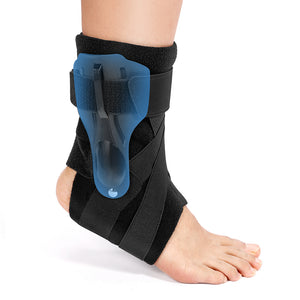
Gymnastics Ankle Brace
- Black
- Grey
- Blue
- Pink
- Purple
- Black
- Orange
- Green
- Pink
- Black
- Red
- Blue
- Orange
How Do You Prevent Ankle Injuries in Gymnastics?
Ankle injuries are incredibly common in gymnastics due to the sport's intense physical demands. From explosive tumbling passes on the floor exercise to high-impact dismounts off the balance beam, a gymnast's lower body is constantly subjected to immense force. Jumping, landing, and rapid pivoting put significant stress on the joints, making sprains, strains, and rolls a frequent concern. However, preventing these setbacks is entirely possible. By combining proper technique, targeted strength training, proactive recovery, and the right protective measures, athletes can keep their lower extremities safe and perform with confidence.
The Importance of Targeted Ankle Strengthening Exercises
One of the most effective strategies for preventing lower-body injuries in gymnastics is focusing on joint conditioning. Building strength in the surrounding muscles, tendons, and ligaments helps improve overall stability and drastically reduces the risk of painful sprains. When your muscles are strong, they act as active shock absorbers during hard landings and complex acrobatic flips.
Gymnasts should incorporate a variety of conditioning movements into their regular fitness routines. Exercises like controlled ankle circles, weighted calf raises, and multidirectional resistance band workouts are excellent for building both power and flexibility. Additionally, balance-focused drills—such as standing on a single leg on an uneven surface—enhance proprioception. This improved body awareness makes the joint more resilient and adaptable to the unpredictable stresses of a demanding competitive routine.
Comprehensive Warm-Ups and Dynamic Stretching
Another crucial factor in safeguarding your joints is committing to a thorough warm-up and stretching protocol before every single training session or competition. Cold, stiff muscles are far more susceptible to tears and pulls. Dynamic stretches that target the calves, shins, and Achilles tendons increase blood flow and improve joint mobility.
Effective dynamic movements include walking lunges, toe touches, heel walks, and deep calf stretches. These exercises actively prepare the musculoskeletal system for the explosive, high-intensity movements that define gymnastics. Proper warm-ups help keep muscles and connective tissues pliable and ready to handle sudden pivots and heavy impacts without breaking down.
Utilizing Protective Gear for Joint Stability
Beyond conditioning and flexibility training, the right supportive equipment can provide a vital layer of defense during practice and competition. For many athletes, utilizing ankle braces offers the extra structural support needed to keep the joint securely aligned. This supportive gear helps stabilize the complex network of ligaments, significantly reducing the risk of lateral rolls and sprains by limiting excessive, dangerous movements.
Whether you are recovering from a previous tweak, dealing with chronic instability, or simply trying to prevent future issues, wearing a dedicated gymnastics ankle brace allows you to perform complex routines with peace of mind. Modern designs offer a snug, low-profile fit that works comfortably inside gymnastics footwear or can be worn barefoot, keeping your range of motion unhindered. Finding the perfect ankle brace can be especially beneficial for athletes practicing new, high-impact skills or pushing through rigorous, repetitive tumbling drills.
Mastering Proper Technique and Safe Landings
Even with the strongest muscles and the best supportive gear, poor mechanics can quickly lead to disaster. Always focus on executing proper technique during training, paying special attention to how you hit the mat. Improper, stiff-legged, or off-balance landings are a leading cause of severe sprains and fractures in the sport.
Gymnasts must practice controlled, bent-knee landings to distribute impact force evenly through the legs and hips, rather than concentrating it solely in the lower extremities. Coaches play a vital role here, emphasizing the "stick" technique where the hips are pushed back and the knees are bent to absorb shock. Utilizing soft foam pits and thick crash mats when learning new vault or floor skills can also cushion the learning curve and protect the body from repetitive stress.
Prioritizing Rest and Recovery
Finally, never underestimate the power of rest. Gymnastics involves highly repetitive motions that can easily lead to overuse injuries if your body doesn't have enough time to heal. Listening to your body, icing sore joints after grueling practices, and taking rest days are critical components of a long-term injury prevention strategy.