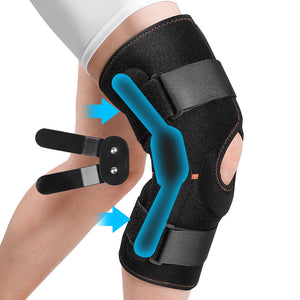
Heated Ankle Support
- Black
- Grey
- Blue
- Pink
- Purple
- Black
- Red
- Blue
- Orange
- Black
- Orange
- Green
- Pink
Should You Leave an Ankle Support on Overnight?
If you are recovering from a recent twist, strain, or ongoing joint discomfort, you might be looking for the fastest way to heal. A common question among people with foot and joint pain is whether it is safe or beneficial to sleep with protective gear on. Generally, you don't need to wear an ankle support overnight unless a healthcare professional has advised it. The right choice depends on the type of injury you sustained and the specific design of the sleeve or wrap you use.
Managing Acute Injuries: Sprains and Strains
For acute injuries like sudden sprains, strains, or sports-related impacts, it is usually recommended to remove your compression gear before bed. Nighttime is critical for your body's natural healing process. Leaving a tight wrap on while you sleep can inadvertently restrict healthy blood circulation, which is absolutely vital for reducing localized swelling and repairing damaged tissues.
Wearing restrictive gear in bed might also cause unnecessary pressure, leading to numbness, tingling, or general discomfort that disrupts your much-needed rest. Instead of relying on a wrap in the dark, try elevating your injured foot on a comfortable pillow to naturally minimize inflammation and promote fluid drainage while you sleep.
Dealing with Chronic Ankle Pain: Arthritis and Tendonitis
Conversely, if you are struggling with a chronic condition such as arthritis, Achilles tendonitis, or persistent joint instability, your nighttime routine might require a different approach. In these scenarios, a healthcare provider might suggest wearing a specialized ankle support to maintain proper structural stability and reduce sharp morning pain.
For individuals with chronic ailments, gentle nighttime compression can prevent awkward foot movements that often aggravate stiff joints. Keeping the area stable helps prevent accidental ligament overextension while you roll over in your sleep. Always consult your specialist to find the right balance between daytime activity support and nighttime rest.
The Role of Temperature Therapy and Heat Relief
When adding thermal therapy to your recovery routine, take extra precautions. If you use a heat ankle support, follow all provided instructions carefully. Warmth is highly effective for soothing pain, relaxing tight muscles, and stimulating local blood flow to stiff ligaments.
However, wearing a Heated ankle support overnight is strongly discouraged. Continuous exposure to high temperatures while sleeping can quickly lead to localized overheating, excessive sweating, and skin discomfort. These thermal therapies are most effective for shorter, targeted periods—especially while you are awake, actively stretching, or doing light daily mobility exercises. Leaving a warm wrap on until morning will likely disrupt your sleep cycle, as the excess heat prevents your body from properly regulating its natural resting temperature.
Tips for a Better Night's Rest During Recovery
- Elevate for Swelling: Keep your foot raised above heart level using supportive cushions to encourage natural circulation.
- Listen to Your Body: If any sleeve feels too tight, causes throbbing, or turns your toes cold, take it off immediately.
- Time Your Therapy: Keep warm therapy sessions to 15-20 minutes before bedtime rather than leaving devices powered on all night.