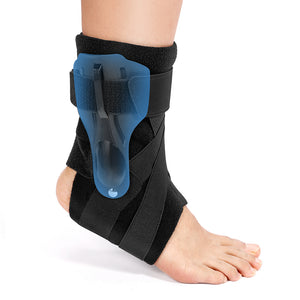
Heavy Duty Ankle Support
- Black
- Red
- Blue
- Orange
- Black
- Orange
- Green
- Pink
- Black
- Grey
- Blue
- Pink
- Purple
How Many Hours a Day Should I Wear Ankle Support?
If you recently rolled, twisted, or sprained your ankle, you are likely wondering about best practices for a fast, effective recovery. A common question among those dealing with lower-body injuries is exactly how long they need to keep their joint wrapped or braced daily.
How long you should wear ankle support depends heavily on the severity of your injury, your daily activity level, and your specific rehabilitation needs. For individuals actively recovering from an injury, wearing protective gear during physical activities—such as walking, running, or playing sports—is essential to prevent further strain and protect the delicate joint. However, it is equally important to strike a healthy balance. Wearing the support too long can reduce blood flow, cause skin irritation, and limit the natural movement needed to rebuild strength.
Factors That Determine Your Wear Time
No universal timeline applies to every injury. To figure out your ideal daily wear time, you must evaluate a few crucial factors:
1. Injury Severity
A mild sprain may only require a light compression sleeve for a few hours during physical exertion. In contrast, severe ligament tears or instability issues may require more rigid protection worn for a larger portion of your day.
2. Daily Activity Level
Your profession and daily routine dictate your joint stress. Someone who works a physically demanding job or stands for eight hours a day will need to wear their brace much longer than someone working a sedentary desk job.
Guidelines for Moderate to Severe Injuries
For individuals with moderate to severe sprains, strains, or chronic joint instability, safeguarding the area during high-impact activities or physical exercise is highly recommended. These specialized braces provide maximum stability and protection, which actively helps minimize the risk of painful re-injury.
Depending on the severity of your condition, you may need to wear heavy ankle support for several hours a day, especially during tasks that could put sudden stress, torque, or weight on the affected area. It remains essential to follow your healthcare provider’s personalized advice on exactly how long to keep the brace on and when it is safe to take much-needed resting breaks.
Managing Your Routine: Day vs. Night
Knowing when to keep your joint stabilized and when to let it breathe is key to a smooth recovery without complications.
Daytime Wear and Physical Activity
You should generally use your heavy-duty supportive gear during the day when you are consistently on your feet, pushing through a workout, or navigating uneven terrain. Whenever there is a heightened risk of putting undue strain on the recovering ligaments, external protection is your first line of defense.
- During Exercise: Keep the joint fully stabilized to avoid sudden, involuntary twists.
- At Work: If your job requires prolonged standing, you may need to wear it continuously during the day.
- Sedentary Periods: If you are sitting on the couch or at a desk for extended hours, you can often loosen or completely remove the gear to encourage healthy blood flow.
Can You Keep It On While Resting or Sleeping?
When you are completely at rest or not doing anything that stresses the lower body, it is usually okay—and often beneficial—to remove the support. Taking it off allows your ankle to move freely within a safe range, helps prevent severe muscle stiffness, and lets your skin breathe.
However, there are clinical exceptions. If you are in the acute stages of recovering from a severe trauma, your healthcare professional might strongly recommend wearing the support for longer, uninterrupted periods. This can sometimes include nighttime wear to prevent involuntary twisting while you sleep, ensuring the healing process remains completely undisturbed. Unless your healthcare professional directs otherwise, remove the support when resting or settling into bed for the night.
The Risks of Over-Wearing Your Gear
While it might intuitively feel safer to keep your joint constantly wrapped in a protective shell, over-reliance can lead to secondary physical issues:
- Muscle Atrophy: If a rigid brace constantly does all the stabilizing work, your own ligaments, tendons, and muscles may weaken over time.
- Restricted Circulation: Wearing gear too tightly for 24 hours a day can restrict blood flow, potentially leading to swelling, numbness, tingling, and delayed healing.
- Joint Stiffness: Complete immobilization for extended periods can cause the joint to lock up, making physical therapy and stretching much more difficult later on.
How to Properly Transition Off Your Support
As your healing progresses, swelling subsides, and pain diminishes, you will need to gradually reduce the hours you wear your protective gear. Start by taking it off during low-impact activities around the house. Over a few weeks, transition to wearing it only during rigorous sports, heavy lifting, or long hikes. By combining this gradual weaning process with targeted stretching and strengthening exercises, you will successfully rebuild your natural joint stability.