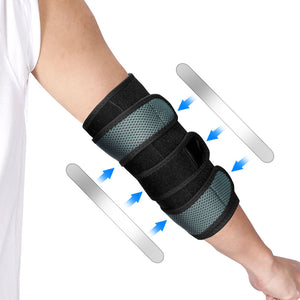
Heavy Duty Knee Brace
- Black
- Green
- Orange
- Pink
- Black
- Blue
- Green
- Red
- Orange
- Blue
- Dark Blue
- Black
- White
- Red
- Blue
- Black
- Blue
- Red
- Orange
- Yellow
- Black
- Blue
- Green
- Red
- Blue
- Black
- White
- Red
- Dark Blue
- Grey
- Black
- Blue
- Pink
- Grey
- Black
- White
- Light Black
- Black
- Light Grey
- Grey
- Magenta
- Black
- Green
- Black
- Grey
- Red
- Blue
What Brace Keeps Weight Off the Knee?
When dealing with chronic joint pain, osteoarthritis, or an acute injury, finding a reliable way to alleviate stress on your lower extremities is a top priority. Every step you take forces your joints to absorb significant impact, which can worsen existing conditions and slow healing. If you are wondering how to redistribute this pressure, finding the right heavy knee brace is one of the best options for individuals who want to reduce joint pressure and prevent excess weight from accumulating during everyday activities such as walking, running, or standing for extended periods.
Understanding Joint Pressure and Offloading Support
The primary goal of offloading weight from a painful joint is to create space between the bones, reducing friction and inflammation. A high-quality knee brace provides maximum stability and protects vulnerable areas of the leg. By shifting the load away from the damaged joint compartment and transferring it to stronger, healthier areas like the thigh and calf, these supportive garments play a vital role in pain management and mobility.
The Mechanics of Weight Redistribution
These specialized orthopedic supports typically include advanced features like reinforced side hinges, robust lateral supports, adjustable tension straps, and a firm, rigid structure that helps limit the joint's range of motion. By restricting excessive or harmful movement, a heavy-duty knee brace reduces strain on vulnerable cartilage and ligaments. It keeps the leg properly aligned, which can naturally help relieve pain, reduce swelling, and prevent further injury during dynamic movements.
Who Benefits Most from Unloading Joints?
For individuals navigating severe joint challenges or chronic degenerative conditions, finding the proper stabilization is crucial for maintaining an active lifestyle. Specific knee braces provide essential structural support for a wide variety of ailments, including:
- Osteoarthritis: Bone-on-bone friction causes severe discomfort; offloading supports lift and separate the joint space to relieve this friction-based pain.
- Ligament Tears: Conditions involving the ACL, MCL, or PCL require strict, hinged stabilization to heal correctly without hyperextension or lateral shifting.
- Meniscus Injuries: Reducing the compressive forces on the leg prevents further tearing and irritation of the meniscus cartilage.
- Post-Surgical Recovery: After surgery, the joint needs time to heal without bearing the full, unmitigated weight of the body.
The right support system helps redistribute weight away from the compromised area, minimizing the physical pressure that could worsen the injury or cause additional discomfort. This type of robust support is also highly beneficial for athletes, fitness enthusiasts, or active individuals who want to aggressively protect their joints while maintaining peak performance.
Combining Structural Support with Physical Rehabilitation
While an offloading support system can significantly reduce weight on your joints during daily activities, it's important to view it as one piece of a comprehensive recovery puzzle. For the best long-term results, use these supports alongside other conservative treatment strategies, such as physical therapy, targeted stretching, and muscle-strengthening exercises.
The support garment is highly effective in reducing immediate strain and mechanical stress, but it does not replace the fundamental need for natural muscle strengthening or professional rehabilitation. Building the quadriceps, hamstrings, and calves ensures your body can absorb impact naturally and support your skeletal system over time.